Automatic Printing Machine Manufacturer


Hot Stamping Plate Technology Introduction
In the whole hot stamping production process, the hot stamping plate is the core key auxiliary mold. It directly determines the actual heat transfer efficiency, surface embossing flatness and printing pattern precision of finished products. The three mainstream mass-production materials in the industry are magnesium alloy, pure copper, silicone rubber.
Content
From basic classification to production application, a full-dimension analysis provides you with a professional guide to hot stamping plate selection and process techniques.
01/ BASIC CONCEPT
Classification & Characteristics of Plates
Build basic knowledge of hot stamping plates, break down the key attributes and use cases of various materials, and set the groundwork for informed selection
Build basic knowledge of hot stamping plates, break down the key attributes and use cases of various materials, and set the groundwork for informed selection
02/ METAL ANALYSIS
Detailed Intro to Metal Plates
Focus on mainstream metal plates such as copper, steel, and zinc, and analyze their performance differences from multiple dimensions including hardness, thermal conductivity, and wear resistance.
Focus on mainstream metal plates such as copper, steel, and zinc, and analyze their performance differences from multiple dimensions including hardness, thermal conductivity, and wear resistance.
03/ SPECIFICATION
Thickness Selection Standards
Clarify the logical relationship between plate thickness, stamping pressure, and pattern precision, and provide a standardized thickness selection reference solution.
Clarify the logical relationship between plate thickness, stamping pressure, and pattern precision, and provide a standardized thickness selection reference solution.
04/ SILICONE FOCUS
Structure of Silicone Plates
Analyze the unique elastic structure of silicone plates, and delve into their irreplaceability and application advantages in curved and irregular-shaped hot stamping.
Analyze the unique elastic structure of silicone plates, and delve into their irreplaceability and application advantages in curved and irregular-shaped hot stamping.
05/ Rubber Plates
Three Core Manufacturing Processes of Rubber Plates
From casting to engraving, detail the processes, advantages, and disadvantages of three mainstream production techniques, helping you master the core technological differences.
From casting to engraving, detail the processes, advantages, and disadvantages of three mainstream production techniques, helping you master the core technological differences.
06/ Comparison Between Metal Plates and Rubber Plates
Structure of Rubber Plates
A comprehensive comparison across dimensions such as cost, efficiency, and quality, using data to visually present the applicable boundaries of the two types of plates.
A comprehensive comparison across dimensions such as cost, efficiency, and quality, using data to visually present the applicable boundaries of the two types of plates.
07/ Production Selection Principles
Production Selection Principles and Pitfall Avoidance Guide
Refine scientific selection principles to avoid common process and material pitfalls in production.
Refine scientific selection principles to avoid common process and material pitfalls in production.
General Classification of Hot Stamping Plates
Hot stamping plates are categorized based on material rigidity, designed to meet diverse production demands—from rigid flat surfaces to complex curved or embossed substrates.
Hot stamping plates are categorized based on material rigidity, designed to meet diverse production demands—from rigid flat surfaces to complex curved or embossed substrates.
Metal Hot Stamping Plates Crafted from brass, copper, or zinc, these rigid plates excel on flat, hard materials. Ideal for high-volume production requiring crisp, precise impressions on unyielding surfaces like paperboard or rigid plastics.
Flexible Silicone Plates Soft, elastic, and adaptable, rubber plates conform to embossed, curved, or soft substrates (e.g., leather, foam). A modern innovation that expands hot stamping applications beyond traditional flat surfaces.
💡 Key Insight:Selecting the right plate material is critical for balancing print quality and cost efficiency across different production scales.

A close-up view of a modern silicone plate, showcasing its vibrant red silicone stamping layer bonded to a sturdy aluminum base. This construction provides the perfect blend of flexibility and heat conductivity for challenging substrates.
Characteristics and Applications of Brass Plates
The industry standard for high-volume hot stamping: where durability meets precision in every impression.
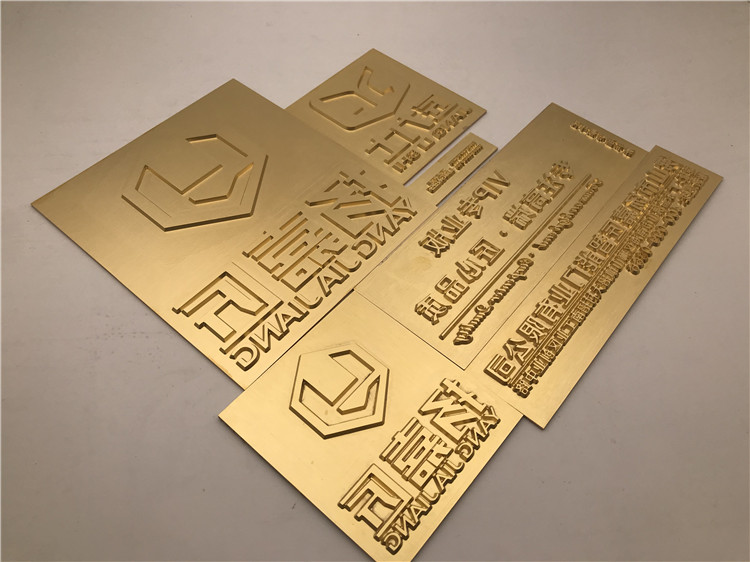
Engineered for intricate detailing, brass plates excel at transferring crisp, clean designs onto hard substrates. Their rigidity ensures every stamp mirrors the master mold with unwavering accuracy.
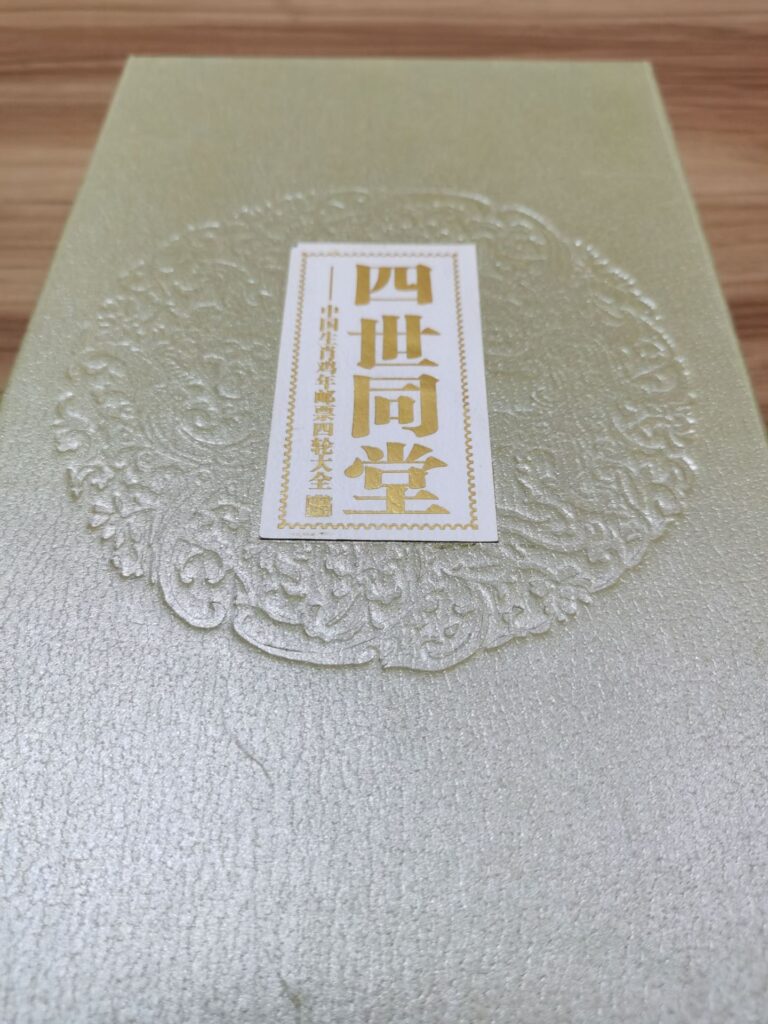
Ideal for luxury book cases and rigid packaging, brass plates deliver a flawless metallic finish that elevates both tactile and visual appeal. Perfect for brands seeking an upscale, premium look.
200,000+ Consecutive Impressions
A single brass plate maintains peak performance for hundreds of thousands of cycles, minimizing downtime and maximizing production throughput for high-volume jobs.
🔥 Thermal Superiority & Durability
Boasting exceptional heat resistance to prevent warping, and superior thermal conductivity for uniform heat distribution. This material is impervious to deformation, ensuring consistent results even on the most challenging hard materials like book board or rigid plastic.