Automatic Printing Machine Manufacturer

What’s pad printer machine?
what’s pad printer machine?
A pad printer is a remarkably ingenious piece of industrial equipment designed to transfer a 2D image onto a 3D object. Unlike conventional printing methods that require a flat substrate, the pad printer’s core strength lies in its ability to conform to irregular shapes, concave surfaces, textured areas, and fragile substrates. This unique capability makes it an indispensable tool across countless industries, from automotive manufacturing to promotional products and medical devices. The magic behind this process is a flexible silicone pad that acts as a highly conformable transfer medium.
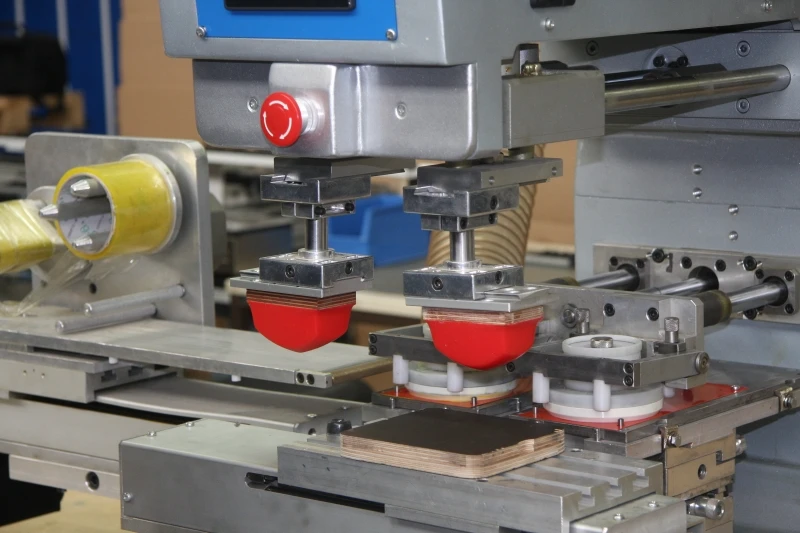
The core principle of pad printing is a sophisticated combination of gravure printing and indirect offset printing, often called indirect gravure. The process is a carefully choreographed cycle involving four key components: the sealed ink cup or open inkwell, the etched printing plate (cliché), the flexible silicone pad, and the substrate.
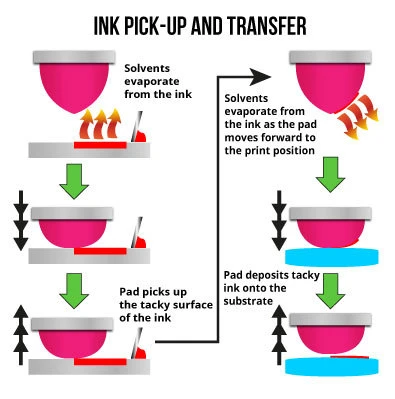
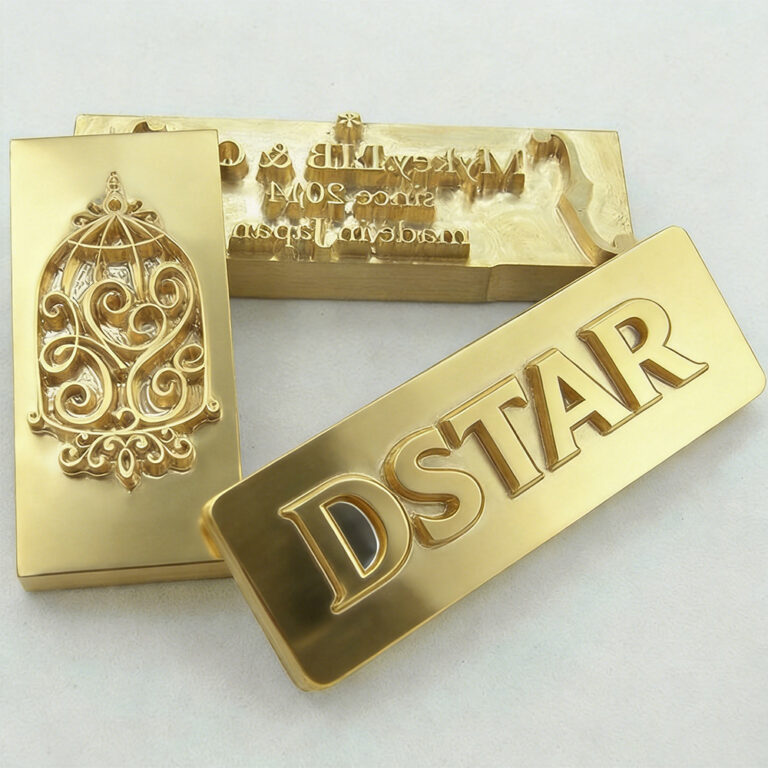
1.Flooding and Doctoring: The process begins with the printing plate, which has the desired image etched into its surface at a depth of typically 25-30 microns. The ink cup (in a sealed system) slides over the etched artwork, flooding it with ink. As it retracts, the ceramic ring on the cup acts as a doctor blade, precisely scraping away all excess ink, leaving ink only within the recessed etching.
2.Ink Pick-up: The silicone pad, perfectly aligned, descends and compresses onto the inked plate. The pad’s flat, smooth surface contacts the ink, causing it to become tacky and transfer from the plate’s recesses onto the pad. The silicone material is key, possessing low surface energy to release the ink later while having enough affinity to pick it up.
3.Ink Transfer: The pad lifts from the plate, carrying the now-tacky ink film in the shape of the image. The solvents in the ink rapidly evaporate from the pad’s exposed surface, further increasing the ink’s tackiness for optimal adhesion.
4.Deposit onto Substrate: The pad descends onto the target object, compressing and conforming to its shape. The smooth silicone surface rolls onto the substrate, pushing air outwards and depositing the entire ink layer cleanly. The ink’s greater affinity for the substrate causes a 100% transfer, leaving the pad perfectly clean and ready for the next cycle.
Classification by Ink System
Pad printers are fundamentally classified by their ink delivery mechanism, which directly impacts print quality, operational efficiency, and environmental controls.
1. Open Inkwell System (Traditional Oil Pan)
This is the traditional method. The cliché sits openly in an inkwell filled with liquid ink. A separate doctor blade, attached to a mechanical arm, physically strokes across the plate to remove surplus ink before the pad descends. This system is cost-effective and simple, making it easy to understand and maintain. However, it has significant drawbacks: the open ink reservoir exposes solvents to the atmosphere, leading to rapid evaporation and changes in ink viscosity, which can cause print inconsistency. It also exposes the operator to more solvent fumes.
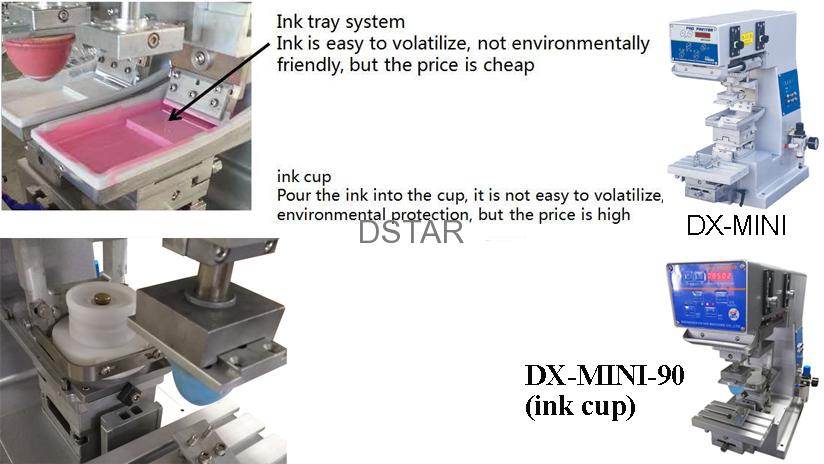
2. Sealed Ink Cup System (Oil Cup)
The sealed ink cup is the modern, industry-standard solution. An inverted, hermetically sealed cup holds the ink. The cup’s contact surface is a precisely machined ceramic ring that serves as both the ink container and the doctor blade. The cup, filled with ink, slides over the etched image, flooding it. As it retracts smoothly, the ceramic ring’s sharp, wear-resistant edge perfectly shears off the excess ink in one motion. The sealed environment drastically reduces solvent evaporation, maintaining stable ink viscosity for hours of unsupervised, consistent printing. It also minimizes odor and operator exposure to hazardous fumes, making it the preferred choice for high-volume, high-quality, and automated production. The cup itself is filled by a pressurized pump or cartridge system for continuous operation.
Printing Colors
Pad printing is capable of both simple and complex color work.
- Single-Color Printing: The most common and straightforward application. A single ink is used to print a logo, label, or graphic in one color.
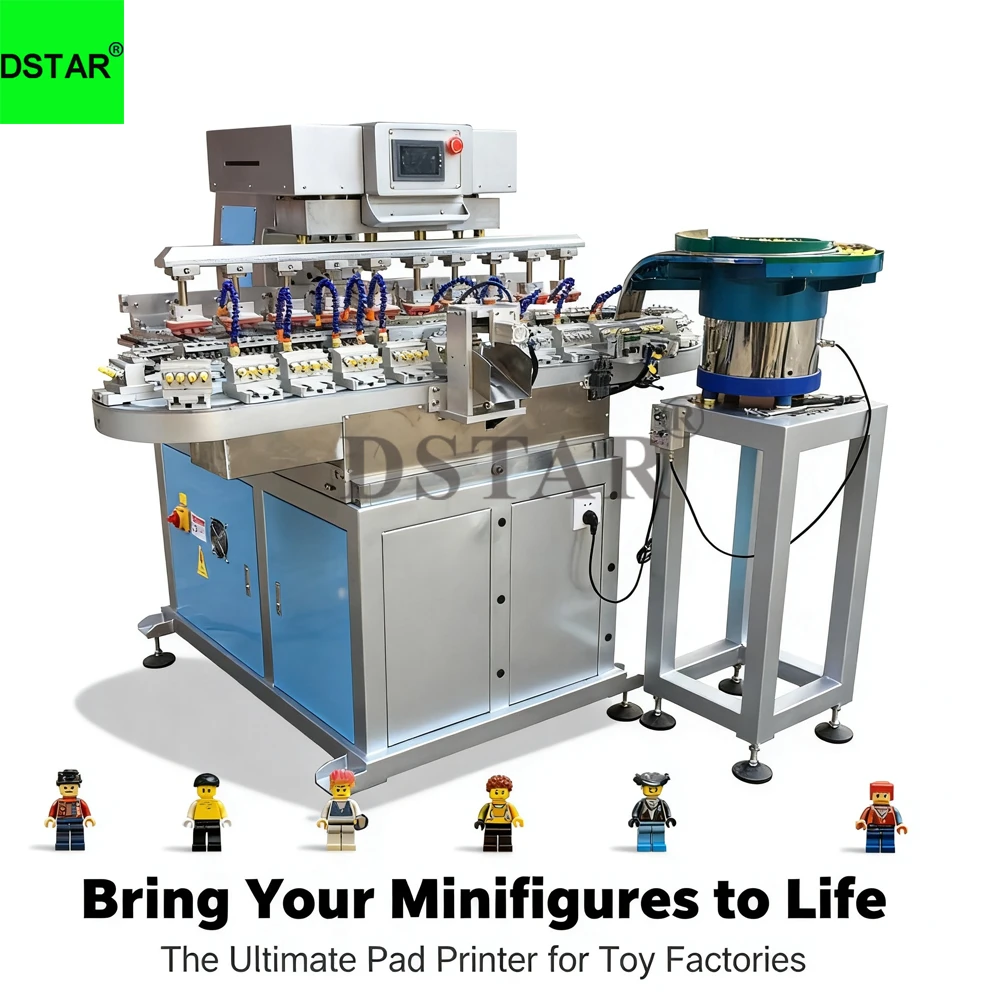
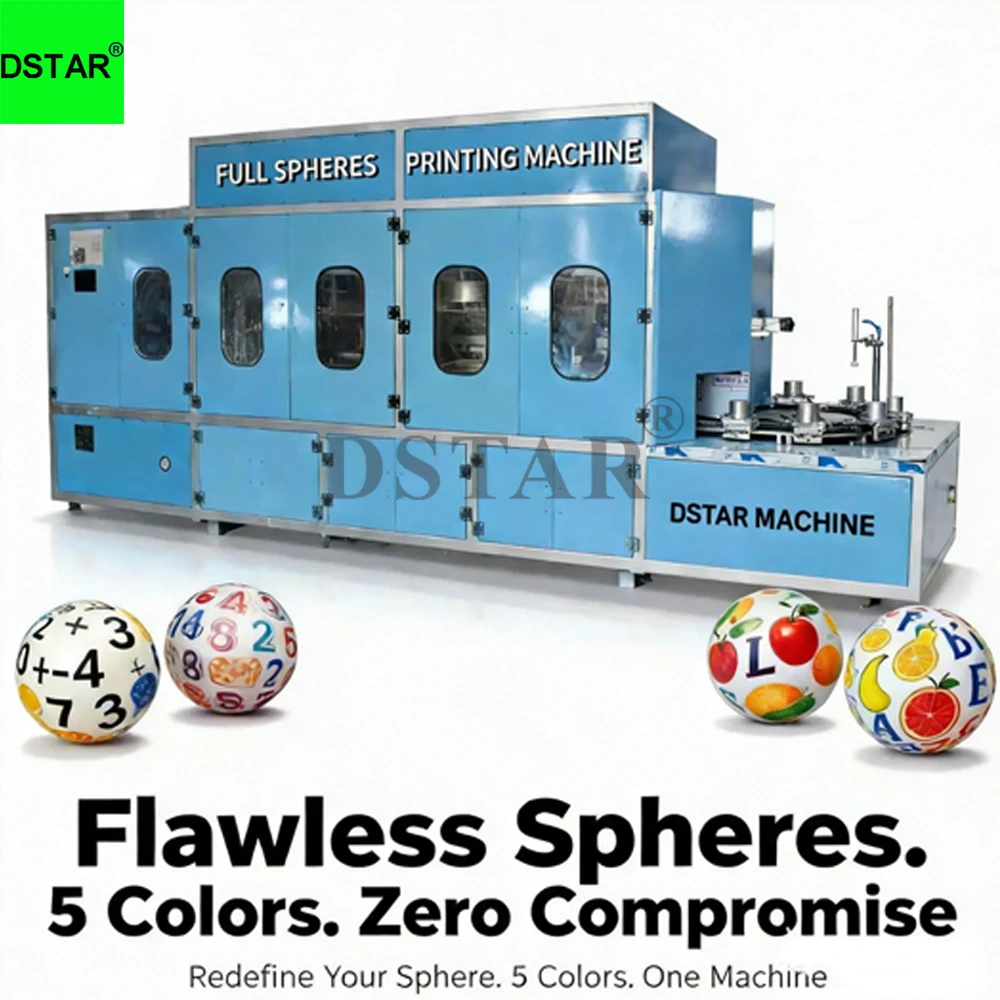
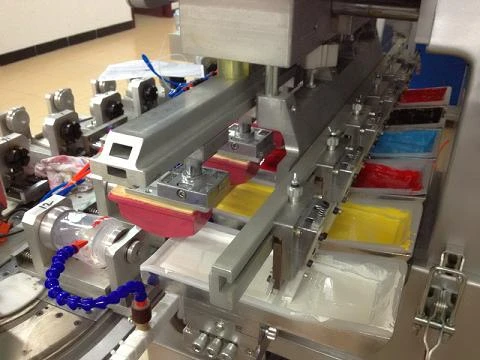
- Multi-Color Printing: Achieved through several methods. The most sophisticated is a multi-color carousel machine with multiple pads and plates, where the part is indexed precisely under each pad to receive a separate color. Small, closed-loop systems can also use a single pad to pick up multiple colors from different areas of a plate. For complex images like full-color photographs, a four-color process (CMYK) can be utilized, where the artwork is separated into tiny dots of Cyan, Magenta, Yellow, and Key (Black), which optically blend to create a full-color image. This requires high-precision plates and excellent machine registration.
Key Functional Features
A modern pad printer’s functionality is defined by its technical features:
- Pad Shape and Durometer: The silicone pad is not generic. It comes in countless shapes (rectangular, square, conical) and hardness levels (Shore A scale from 2° for soft to 60° for hard). A soft, broad pad is for large, curved, textured items, while a hard, pointed pad is for fine detail on a flat surface. Pad selection is a critical science.
- Closed-Loop Control: High-end machines feature sealed ink paths, automatic viscosity control, and solvent dosing to ensure print quality remains constant over thousands of cycles.
- Programmable Variables: Pneumatic or servo-driven machines allow precise digital control over pad speed, dwell time (on plate and part), and stroke, enabling fine-tuning for the most challenging applications.
- Automation Integration: Pad printers are frequently integrated with robotic arms, rotary tables, linear conveyors, and vision inspection systems. They can be equipped with corona or plasma pre-treatment units to activate the surface energy of substrates like polypropylene before printing, ensuring ink adhesion.
Industry Applications
The technology’s ability to print on almost any material and shape makes it truly pervasive.
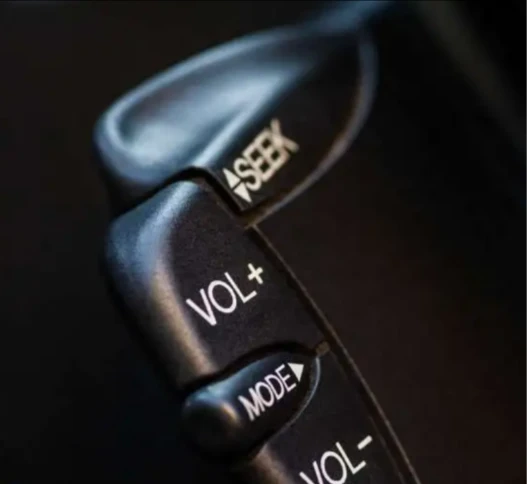
- Automotive: Interior buttons, knobs, key fobs, dashboard dials, and exterior emblems, especially backlit day/night design graphics.

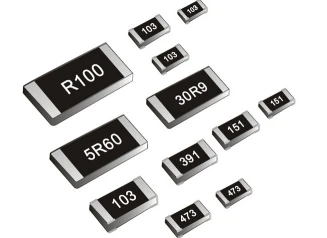
- Electronics: Logos on keyboards, laptop casings, USB drives, headsets, and micro-printing inside smartphones.

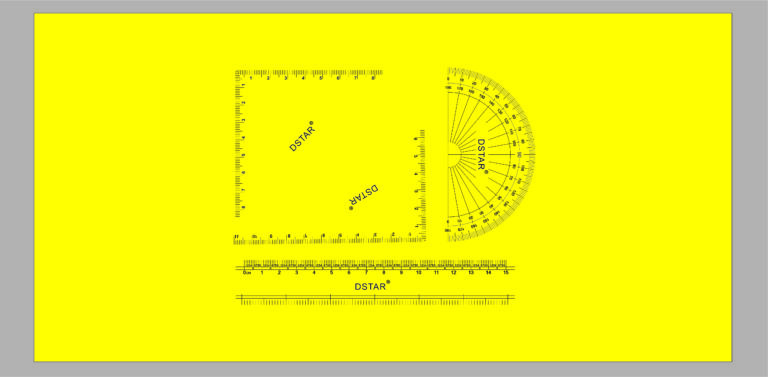
- Medical Devices: Graduated markings on syringes, catheters, surgical instruments, and implantable devices requiring biocompatible inks.

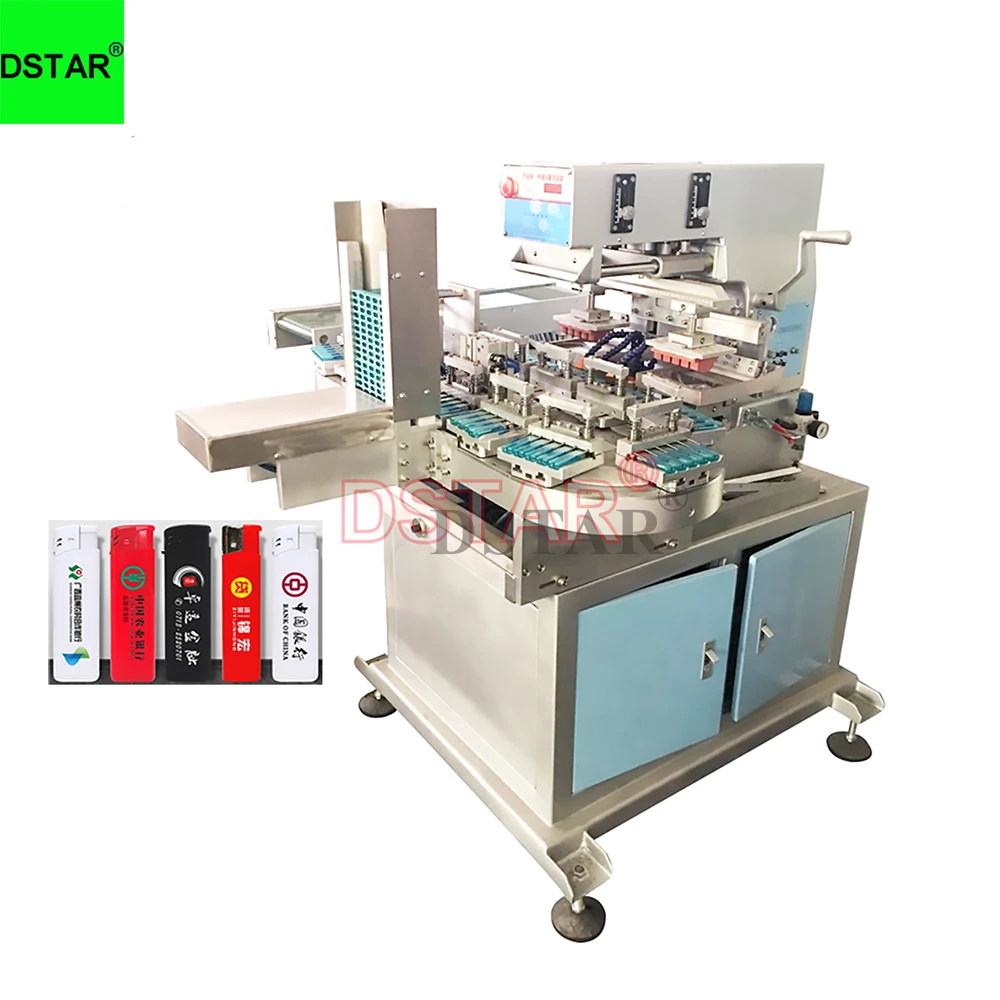
- Promotional Products: Personalized printing on pens, lighters, keychains, mugs, golf balls, and drinkware, often for high-volume giveaways.
- Toys and Sporting Goods: Facial features and details on dolls and action figures, decorations on plastic model kits, and branding on sports equipment like fishing lures and tennis balls.
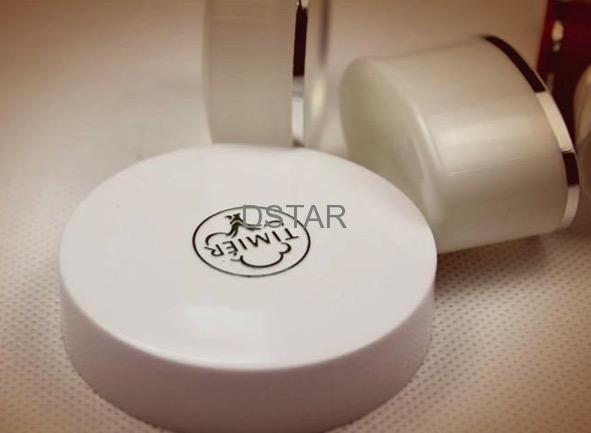
- Packaging: Decorating cosmetic compact cases, caps, and specialty packaging directly.
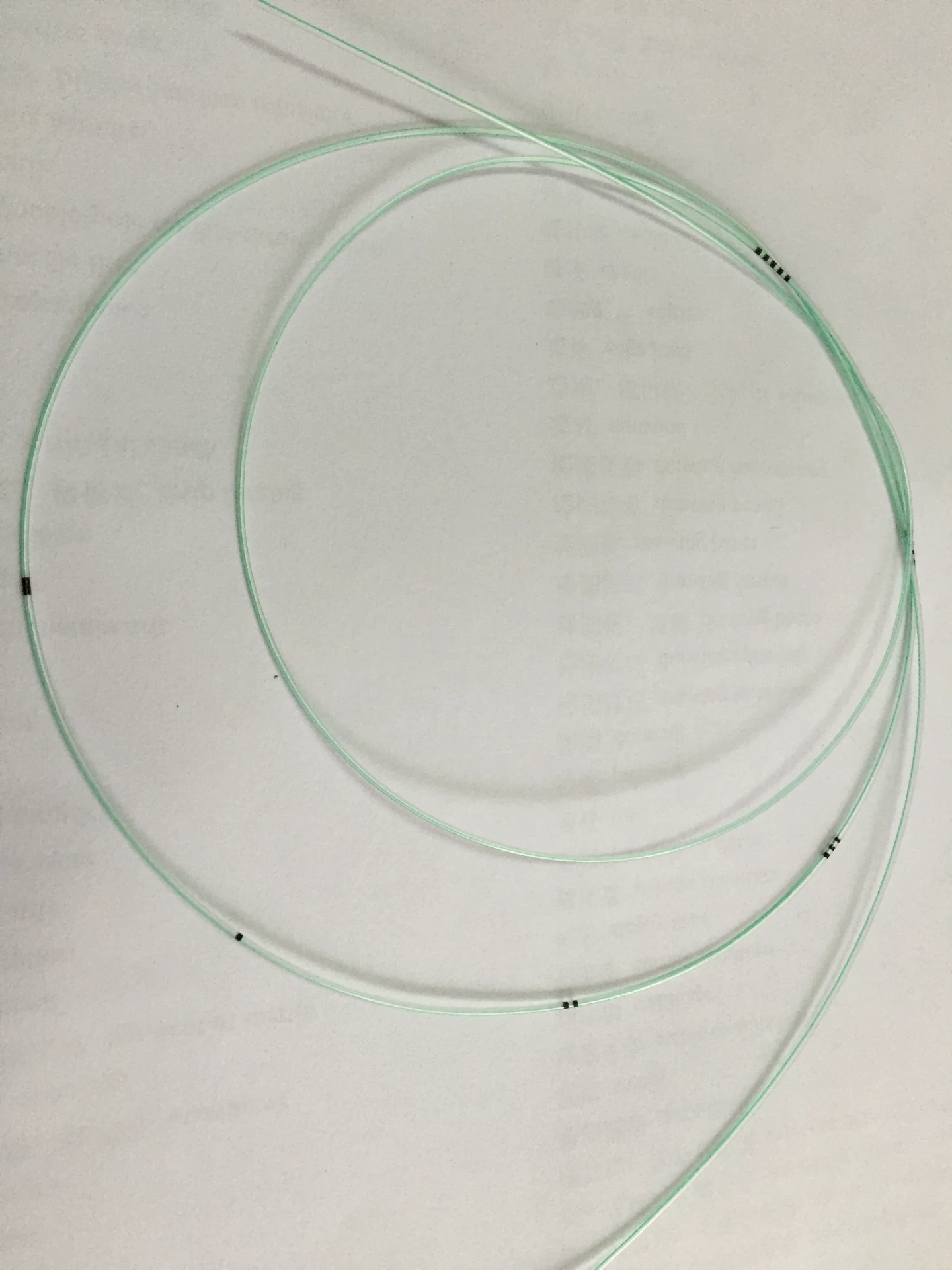
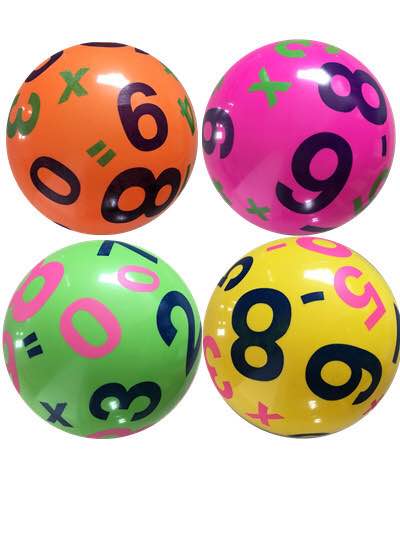
From a simple logo on a pen to a life-saving marking on a syringe, the pad printer is a quiet, flexible, and essential pillar of modern manufacturing.