Automatic Printing Machine Manufacturer

Laser Film Imagesetters and Film Processors
Two Core Equipment for Film Plate Making
Overview
In the traditional printing plate-making and precision graphic output industries, laser film imagesetters and film processors are two sets of complementary and indispensable core equipment, which jointly form a complete technological process of film plate-making. The laser film imagesetter is responsible for the precise exposure and imaging of graphic and text information, while the film processor completes the chemical developing and washing of films. Their cooperation converts digital graphic data from computers into physical film negatives available for plate burning and printing, serving as the key equipment combination for pre-press plate making.
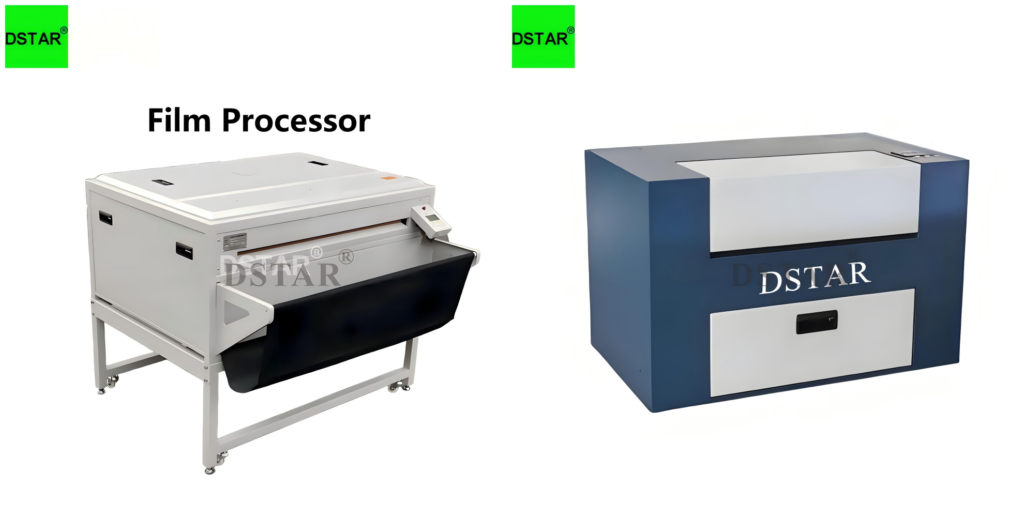
Laser Film Imagesetter
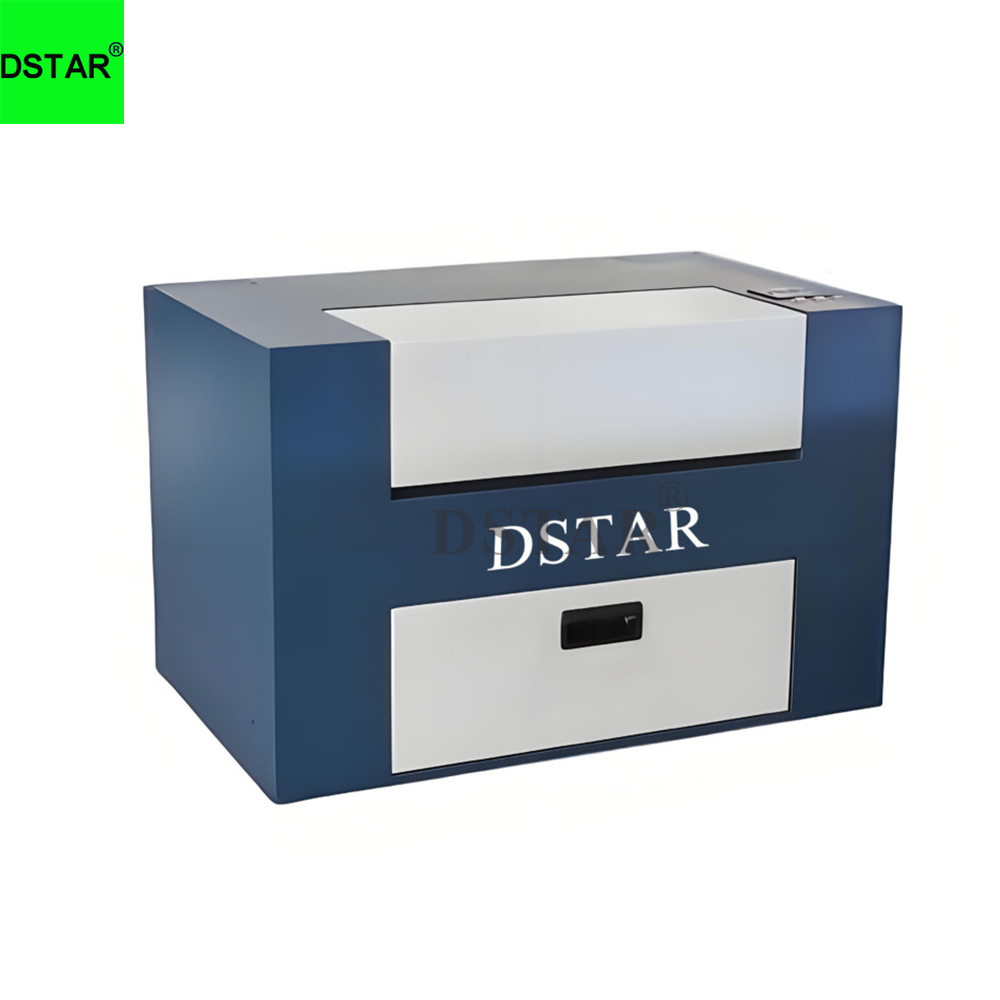
1. Equipment Definition and Core Functions
Also known as a film output machine, the laser film imagesetter is a high-precision opto-mechatronic equipment integrating optics, machinery, electronics and computer control. Relying on a Raster Image Processor (RIP), it parses and converts layout files such as PDF and PostScript in computers into high-resolution bitmap data. Through precise scanning control of laser beams, it completes dot matrix exposure on silver halide photosensitive films to form invisible latent images, realizing the conversion from digital graphics and texts to film images. It is widely used in plate-making scenarios such as offset printing, screen printing and pad printing.
2. Working Principle
The working process of the laser film imagesetter consists of three core links: data analysis, laser scanning and film exposure. Firstly, the RIP system screens graphic files to accurately adjust the size, shape and density of dots and restore picture layers and color details. Secondly, the equipment control system drives the precision transmission mechanism to transport photosensitive films and controls the high-speed switching of the laser light source. Finally, the focused laser beam scans the film surface row by row and frame by frame according to digital dot matrix information, triggering photochemical reactions on the photosensitive coating and recording complete latent images of graphics and texts. According to structural differences, the equipment can be divided into drum type and capstan type, all featuring high precision and high registration accuracy, which can meet the needs of large-format and high-precision plate making.
3. Equipment Characteristics
The laser film imagesetter has the characteristics of high resolution, accurate imaging and strong stability. It can accurately restore tiny characters, lines and gradient dots and effectively avoid graphic distortion. With a high degree of automation, it can adapt to films of different specifications and complete batch graphic output, greatly improving plate-making efficiency. Meanwhile, the digitally controllable laser exposure mode enables far superior dot stability and overprinting accuracy compared with traditional typesetting equipment, laying a foundation for subsequent printing quality.
Film Processor
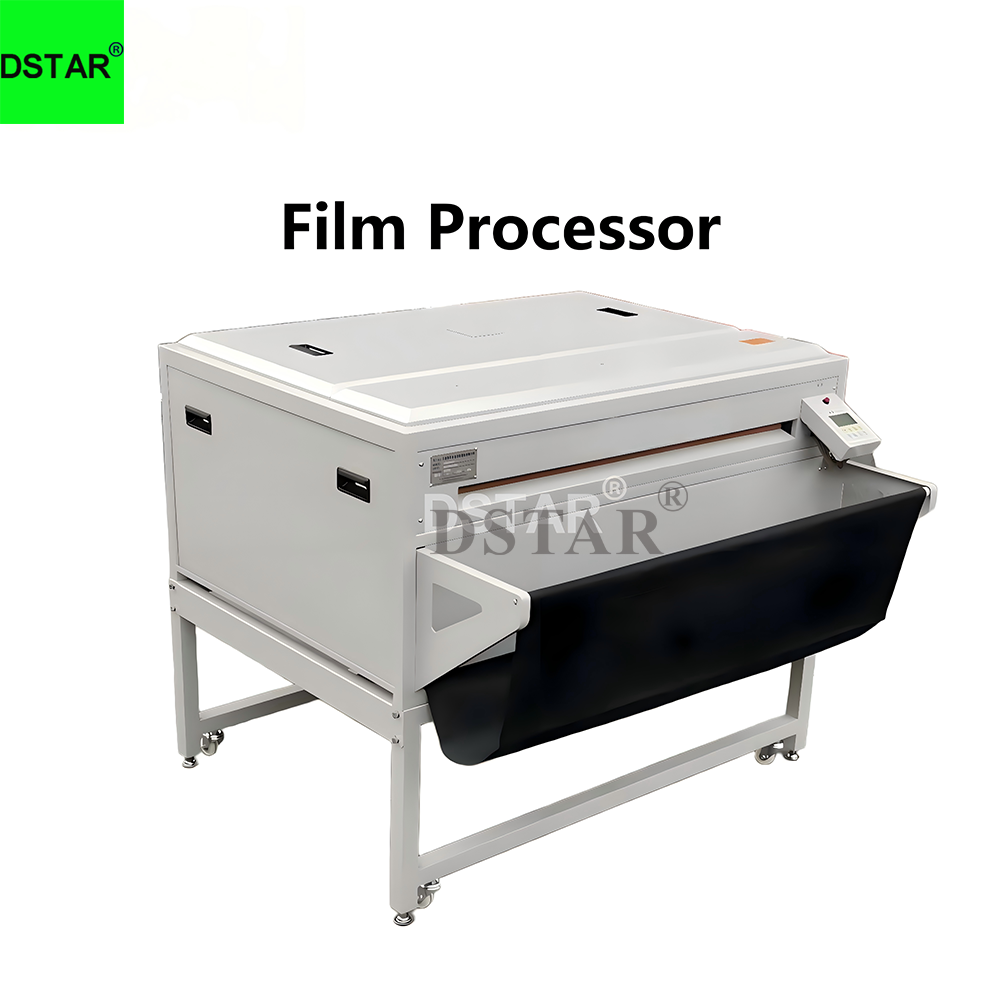
1.Equipment Definition and Core Functions
Also known as a film developing machine, the film processor is a special chemical processing equipment matched with laser film imagesetters. Its core function is to perform automated chemical treatment on laser-exposed photosensitive films. Through four major processes of development, fixation, water washing and drying, it converts latent images on films into clear, stable and long-term visible graphic images, removes unexposed silver halide components, solidifies picture details, and finally produces qualified printing film negatives.
2. Working Principle
The film processor completes film washing operations relying on a precision transmission system and constant-temperature chemical solution system. The exposed film is transported at a constant speed by transmission rollers. First, it enters the developing solution tank, where photosensitive areas undergo chemical reactions to reduce metallic silver and form visible graphics and texts. Then it flows into the fixing solution tank to dissolve unexposed silver halide on the film, terminate the photosensitive reaction and fix the image. After that, residual chemical solutions are thoroughly removed through multi-stage water washing to avoid subsequent oxidation and fading of the film. Finally, the film is air-dried and shaped by a constant-temperature drying system to complete the whole film processing. The equipment can accurately control solution temperature and washing speed to ensure uniform imaging effects of each batch of films.
3. Equipment Characteristics
Adopting a fully automated closed-loop operation mode, the film processor requires no manual intervention and effectively avoids color difference, stains, scratches and other problems caused by manual film washing. The design of constant-temperature solution control and uniform-speed transmission ensures stable development and fixation effects, enabling films to have full dots, clear layers and uniform picture quality. Meanwhile, the equipment has the advantages of chemical solution circulation, water saving and energy saving, adapting to industrial batch production needs, and is core equipment to ensure standardized plate-making quality.
Equipment Collaboration and Industry Value
Laser film imagesetter and film processor are connected supporting equipment, and neither can work without the other. The laser film imagesetter completes “exposure imaging” to realize the conversion from digital information to film latent images; the film processor completes “washing and development” to solidify latent images into physical images. The whole equipment combination abandons the cumbersome process of traditional manual plate making, realizes the digitization, automation and high precision of printing plate making, greatly improves plate-making efficiency and finished product qualification rate, and reduces production costs. To this day, this equipment combination still plays an irreplaceable role in traditional printing, adhesive label printing, circuit board plate making, precision graphic output and other fields.
Conclusion
As classic core equipment in the printing and plate-making industry, laser film imagesetters and film processors have built a standardized film plate-making process system with mature and stable technology as well as accurate and efficient performance. The precise exposure of laser imagesetters ensures the accurate reproduction of graphic data, and the standardized chemical treatment of film processors guarantees the stable quality of finished films. Their collaborative application not only promotes the innovation and upgrading of printing plate-making technology, but also provides solid equipment support for the stable quality of various precision graphic printing products.