Automatic Printing Machine Manufacturer

Pad Printing, Screen Printing, and Hot Stamping in the Automotive Industry: Applications and Prospects
Printing machine for automotive industry.
Technology Overview:
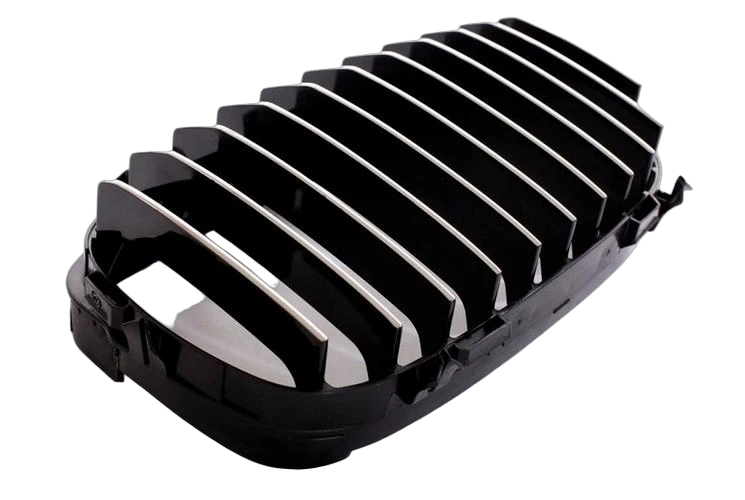
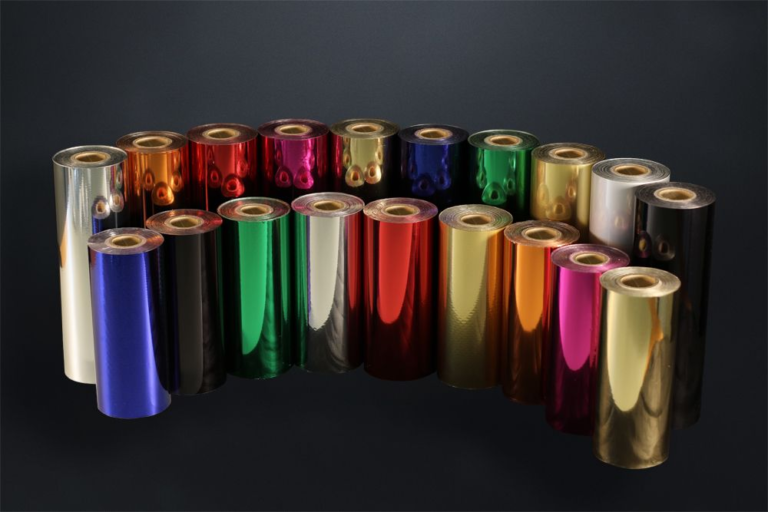
Hot Stamping: Uses heat and pressure to transfer a foil (metallic or pigmented) from a carrier tape onto the part. It is a dry process that creates durable, metallic finishes
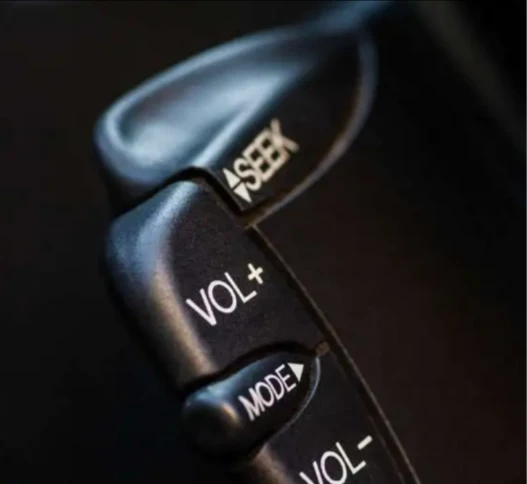
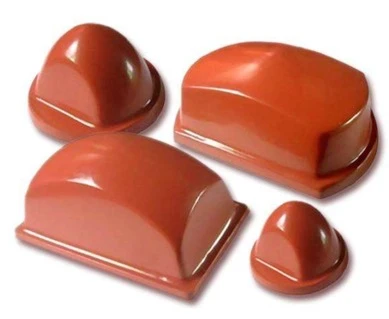
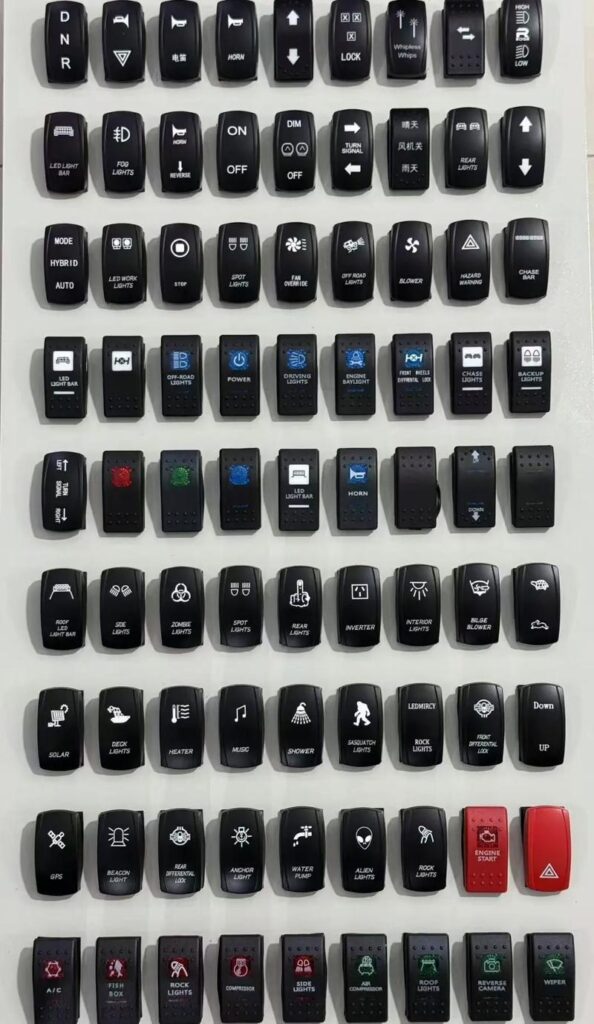
Pad Printing: Uses a silicone pad to transfer ink from an etched plate to the object. Best for irregular surfaces (curves, concavities) and small details.
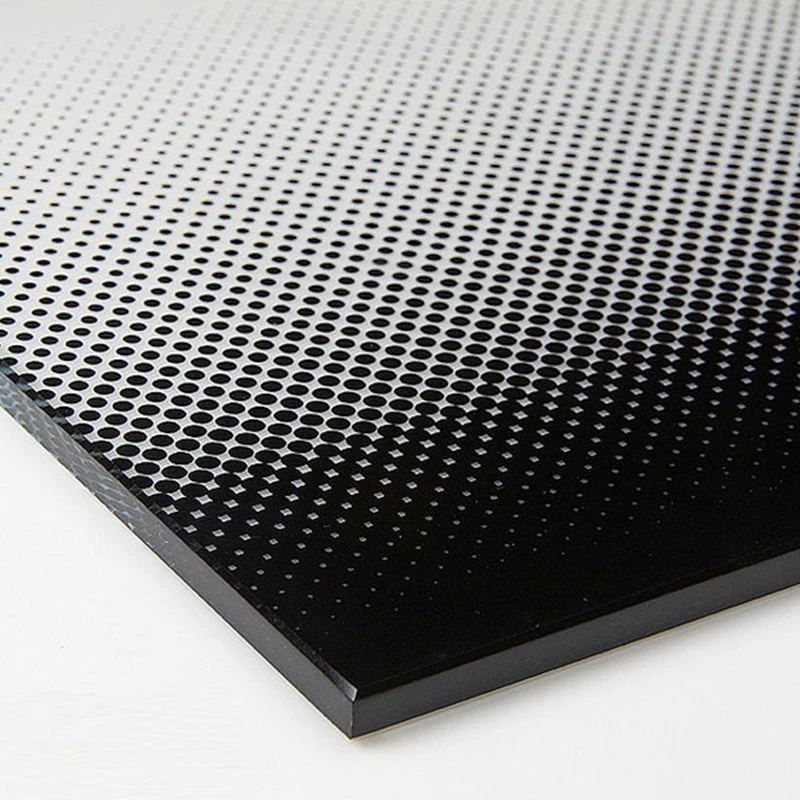
Screen Printing: Uses a mesh screen to push ink onto the substrate. Known for thick ink layers and high color saturation, ideal for flat or slightly curved surfaces.
Applications:
- Functional Components: Steering wheel switches, A/C vent knobs, window lift switches, and center console buttons (irregular shapes).
- Fine Markings: Instrument cluster dials, key fob logos, and VIN plates.
- Leather Trim: Simulated stitching on steering wheels (patents focus on improving ink scraping on leather).
Prospects & Analysis:
Steady Market: While the number of physical buttons is decreasing due to touchscreens, pad printing remains essential for multi-functional steering wheels and column controls. The global market for pad printing inks was valued at 223 million(2024)and isprojected to reach 288 million by 2031 (CAGR 3.8%)
Tech Upgrades: Future focus is on high-durability inks (abrasion/chemical resistance) and integration with automated vision inspection systems for zero-defect production
Applications:
- IML/INS Films: Screen printing prints wood grain, technical patterns, or translucent symbols onto films, which are then molded into panels (e.g., center console, door panels for premium EVs like AITO M8).
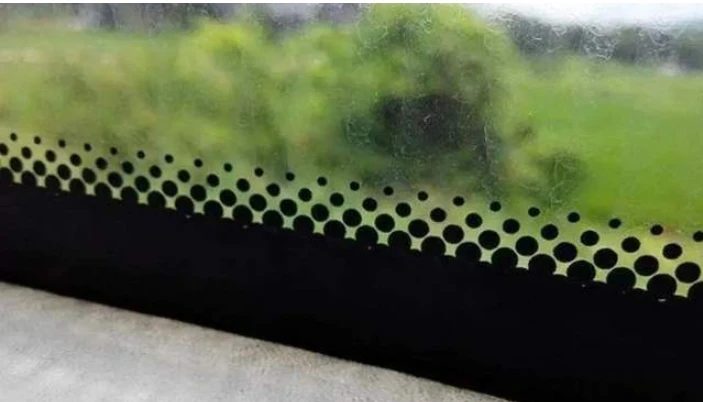
- Glass & Sensors: Windshield/sunroof edges (black frit) for UV protection, defroster lines, and touchscreen covers.
- Molded Parts: High-quality automotive dials and nameplates.
Prospects & Analysis:
- Smart Surfaces: Screen printing is shifting from decoration to functional printing. It now integrates conductive inks for haptic feedback or “shy-tech” surfaces (hidden-until-lit patterns).
- Higher Barriers: To survive the IML process (high pressure, high heat), screen printing requires cleanroom environments and specialized inks. Companies mastering this (e.g., Runmeidi Tech) are dominating the mid-to-high-end OEM market
Applications:
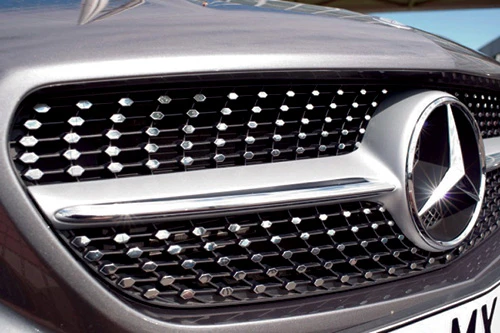
- Exterior Chrome Trim: Replaces water electroplating for grille surrounds, window trim, and door strips. It is more eco-friendly (no waste-water) and enables matte/dual-color effects.
- Interior Luxury Decor: Premium models (e.g., Jaguar XFL “Gilt” edition) use hot stamping for A/C vents and knobs to create metallic accents or real-wood grain effects.
Prospects & Analysis:
Design Freedom: It enables advanced “Less Chrome” designs (satin, brush, luster) that are difficult to achieve with wet plating. It also works effectively on various engineering plastics like ABS and PP
Sustainability Driver: With strict environmental regulations, traditional electroplating is under pressure. Hot stamping, as a “dry” process, is a primary alternative for achieving chrome looks without pollution.
Summary Matrix
| Process | Core Strength | Typical Use Cases | Trend & Outlook |
|---|---|---|---|
| Pad Printing | Curved surfaces, High precision | Buttons, knobs, small intricate logos | Automation: Upgrade to automated cells and high-wear inks |
| Screen Printing | High opacity, Durable films | IML/INS films, glass heating lines/antennas | Functional Integration: Smart surfaces, backlighting, sensors |
| Hot Stamping | Metallic finish, Eco-friendly | Exterior chrome trim, interior wood/metal grain | Eco-Substitution: Replaces plating, enables low-gloss high-end design |
Video demo
Application Samples in Automotive Industry