Automatic Printing Machine Manufacturer

Water-Washable Photopolymer Plate Making Process for Pad Printing
Introduction to How to Make Water-Washable Photopolymer Plates
In pad printing, the quality of the printing plate directly affects the final printing result. A high-quality pad printing plate can provide clear images, stable ink transfer, and longer service life.
Water-washable photopolymer plates have become a popular choice for pad printing applications because they are easy to process, environmentally friendly, and suitable for fast plate making. Compared with traditional steel plates, photopolymer plates offer a more convenient solution for customized printing jobs and small-to-medium production volumes.
This article will introduce the complete manufacturing process of water-washable photopolymer plates for pad printing.
This guide explains how to make water-washable photopolymer plates effectively for optimal pad printing results.
What Is a Water-Washable Photopolymer Plate?
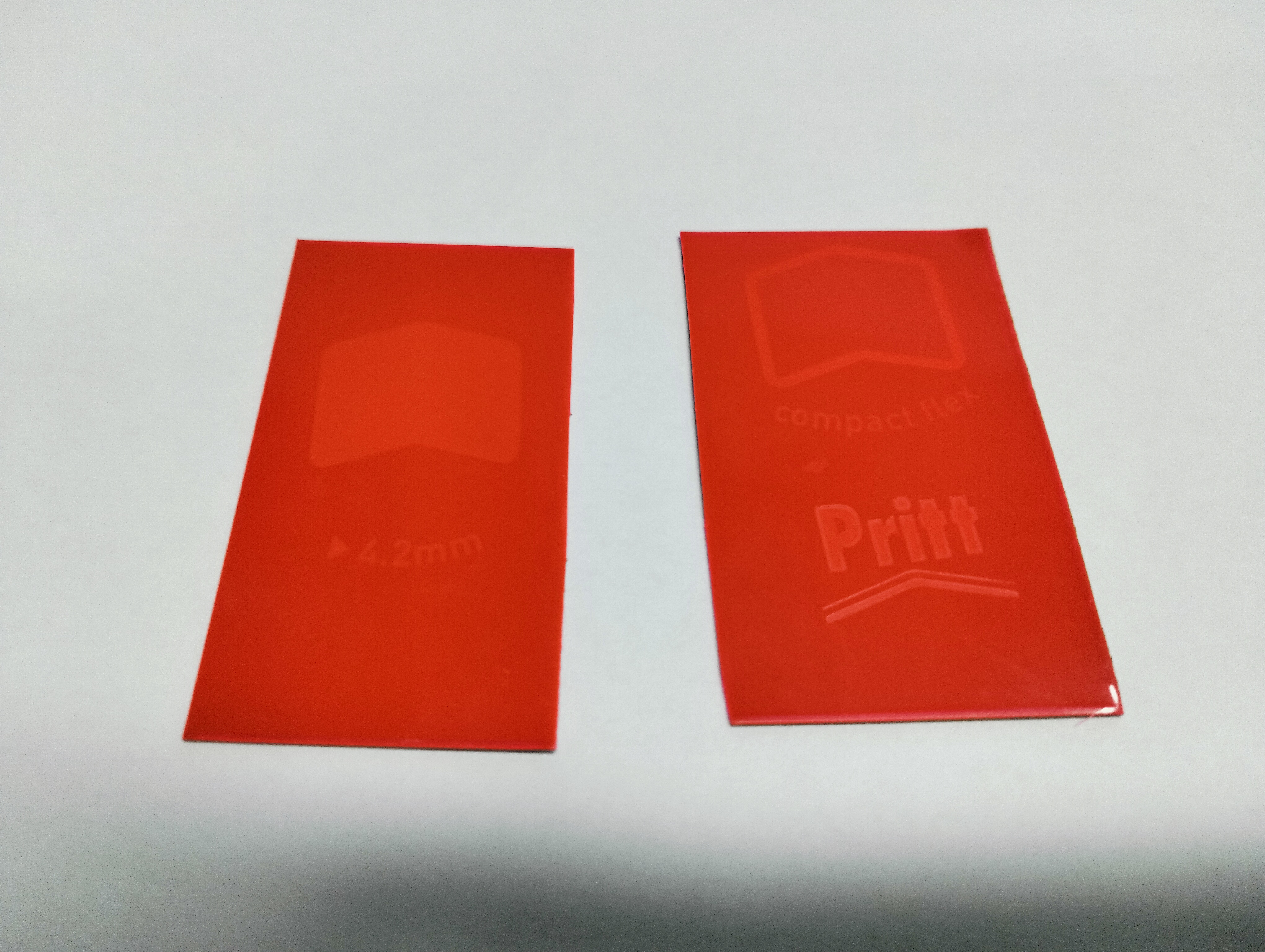
A water-washable photopolymer plate is a light-sensitive polymer plate used for creating pad printing images.
The artwork is transferred onto the plate through UV exposure, and the unexposed areas are removed by water washing to form the printing image.
It is widely used in pad printing applications such as:
- Plastic components
- Electronic products
- Promotional items
- Medical products
- Packaging products
- Toys and stationery
The main advantages include:
- Easy and fast plate making process
- No need for chemical developing solutions
- Lower operating cost
- Suitable for customized printing projects
- Good image reproduction capability
Step-by-Step Process of Making Water Washable Photopolymer Plates
Step 1: Prepare the Artwork Film
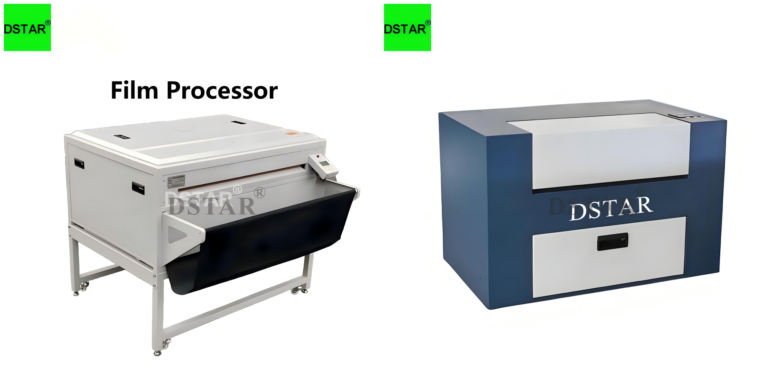
The first step is preparing the artwork film with the required printing design.
The artwork should be:
- High-resolution
- Correctly sized according to the printing area
- Printed with high-density black ink to block UV light effectively
A clear and accurate film is important because it directly determines the sharpness of the final printing image.
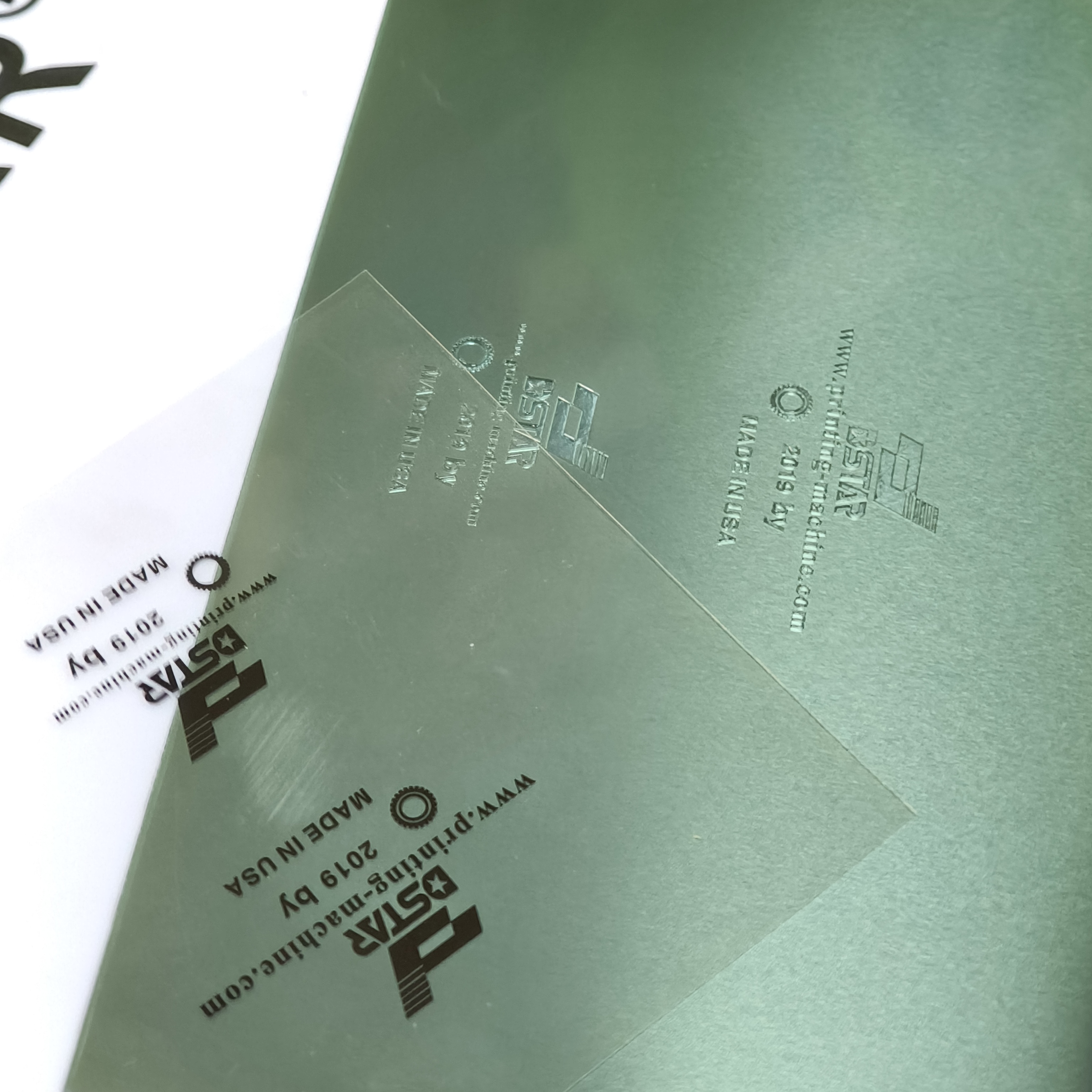
Step 2: Place the Film on the Photopolymer Plate
- The artwork film is placed tightly against the surface of the water-washable photopolymer plate.
- Good contact between the film and plate is necessary to prevent image distortion or unclear edges during UV exposure.
- A vacuum exposure unit is commonly used to ensure close contact between the film and plate.
Step 3: UV Exposure
- The plate is exposed to ultraviolet (UV) light.
- During exposure:
- The transparent areas of the film allow UV light to pass through
- The exposed polymer becomes hardened
- The blocked areas remain soft and washable
- The exposure time depends on factors such as:
- UV lamp power
- Plate thickness
- Artwork details
- Environmental conditions
- Proper exposure is critical for achieving the correct printing depth and image quality.
Step 4: Water Washing
After UV exposure, the plate surface is washed with water.
The unexposed soft polymer areas are removed, creating the recessed image area required for ink holding.
The washing process should be controlled carefully:
- Avoid excessive washing pressure
- Ensure the image edges remain sharp
- Remove all unwanted polymer residues
After washing, the plate will show the completed printing image.
Step 5: Drying
After washing, the plate needs to be completely dried.
Proper drying helps:
- Restore the hardness of the plate
- Improve dimensional stability
- Extend plate lifespan
The drying temperature and time should follow the manufacturer’s recommendation.
Step 6: Post-Exposure and Finishing
A final UV exposure process is usually performed after drying.
This step further hardens the plate and improves:
- Mechanical strength
- Ink resistance
- Printing durability
The finished plate can then be mounted onto the pad printing machine for production.
Tips for Better Water Washable Plate Making
To achieve better printing performance, consider the following:
1. Use High-Quality Artwork Film
Poor-quality film may cause:
- Blurred images
- Uneven printing depth
- Missing details
2. Control Exposure Time Properly
Underexposure may result in:
- Weak plate structure
- Short service life
Overexposure may cause:
- Reduced printing depth
- Poor ink transfer
Water Washable Photopolymer Plate vs Steel Plate
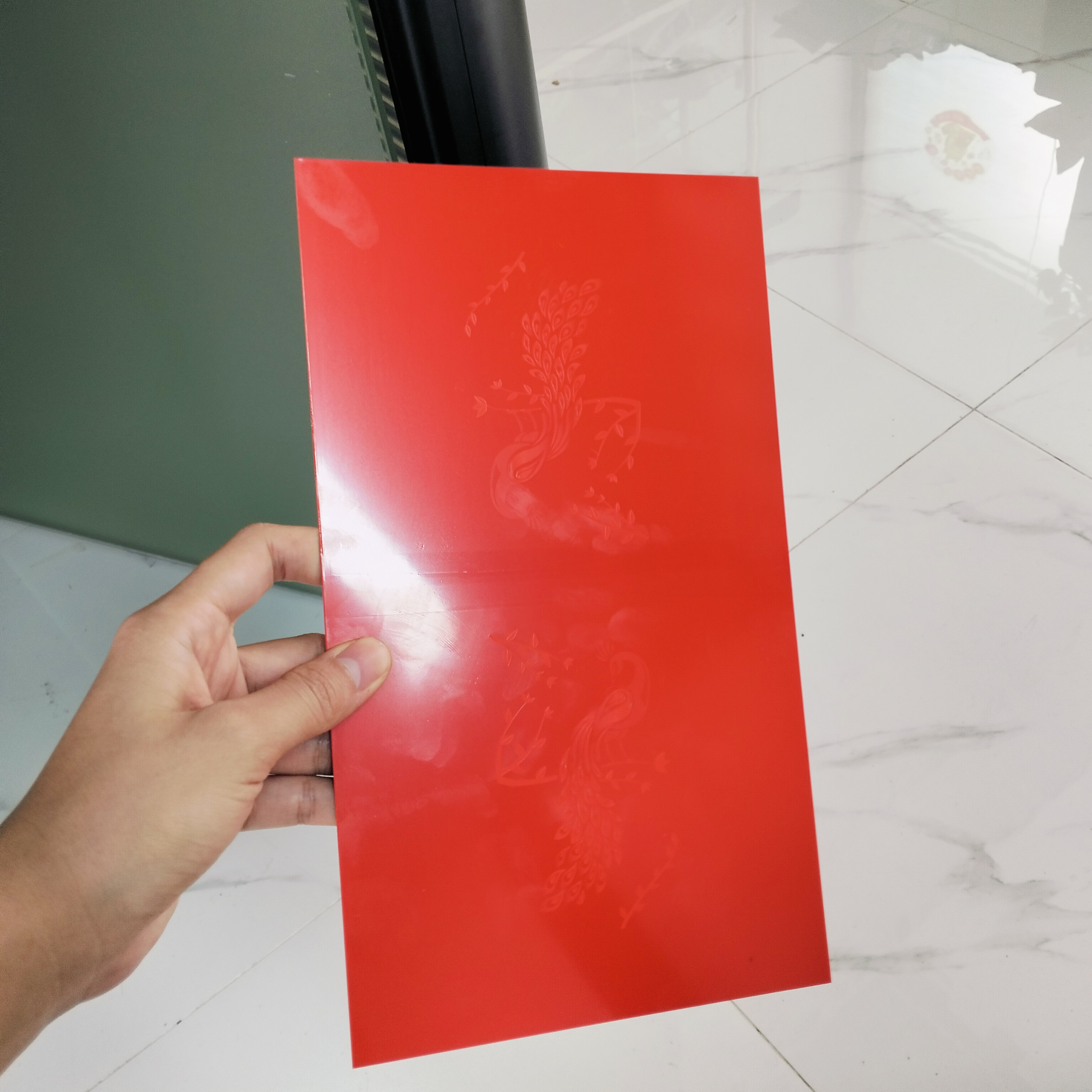
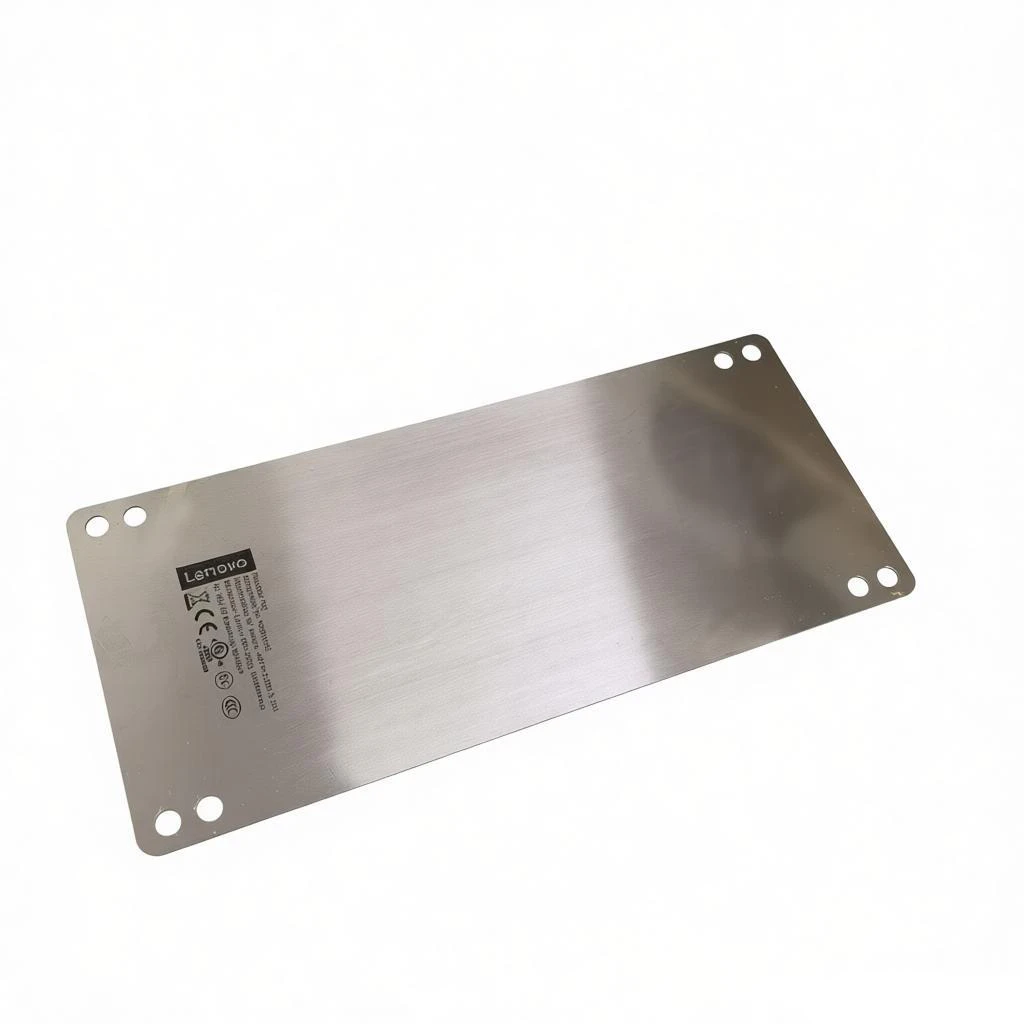
For customers requiring quick turnaround and flexible printing solutions, water washable photopolymer plates are an efficient choice.
| Feature | Water Washable Photopolymer Plate | Steel Plate |
|---|---|---|
| Plate making speed | fast | slower |
| Processing method | UV exposure + water washing | Chemical etching |
| Equipment requirement | Simple | More complicated |
| Cost | Lower for small batches | Higher initial investment |
| Application | Customized and medium-volume jobs | Large-volume production |
DSTAR
Contact us to find your printing solution
Water washable photopolymer plates provide a simple, efficient, and cost-effective solution for pad printing plate production. By following the correct steps — artwork preparation, UV exposure, water washing, drying, and final curing — users can achieve high-quality printing results with less processing time.
For companies looking for flexible pad printing solutions, combining water-washable photopolymer plates with reliable pad printing machines can significantly improve production efficiency and printing quality.