Automatic Printing Machine Manufacturer

Pad Printing Machine for Plastic Toy: The Complete Guide for Manufacturers
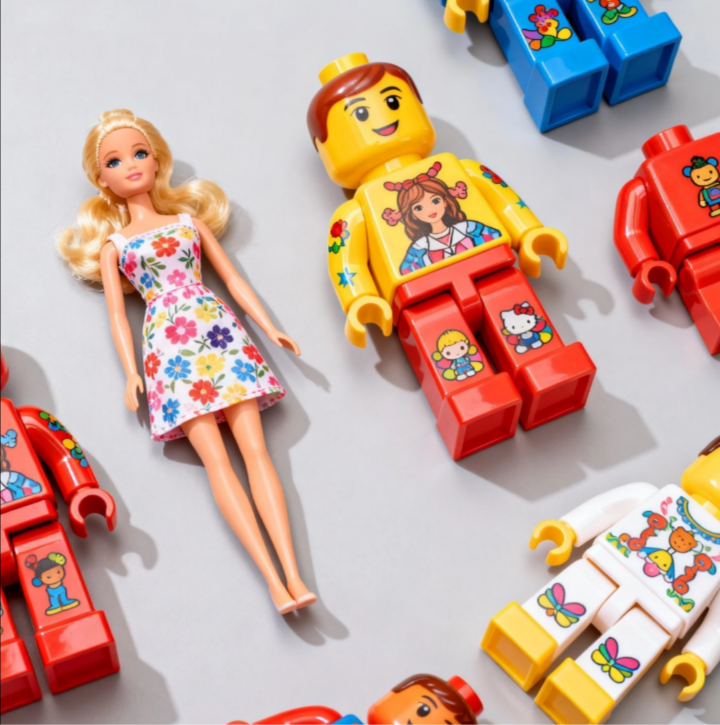
Quick Answer: A pad printing machine for plastic toy production is an indirect gravure printing system that uses a silicone pad to transfer ink from an etched plate onto 3D plastic surfaces. It is the preferred method for decorating dolls, action figures, building blocks, and model cars because it can print on curved, textured, and recessed surfaces where labels and screen printing fail.
What Is a Pad Printing Machine for Plastic Toy Manufacturing?
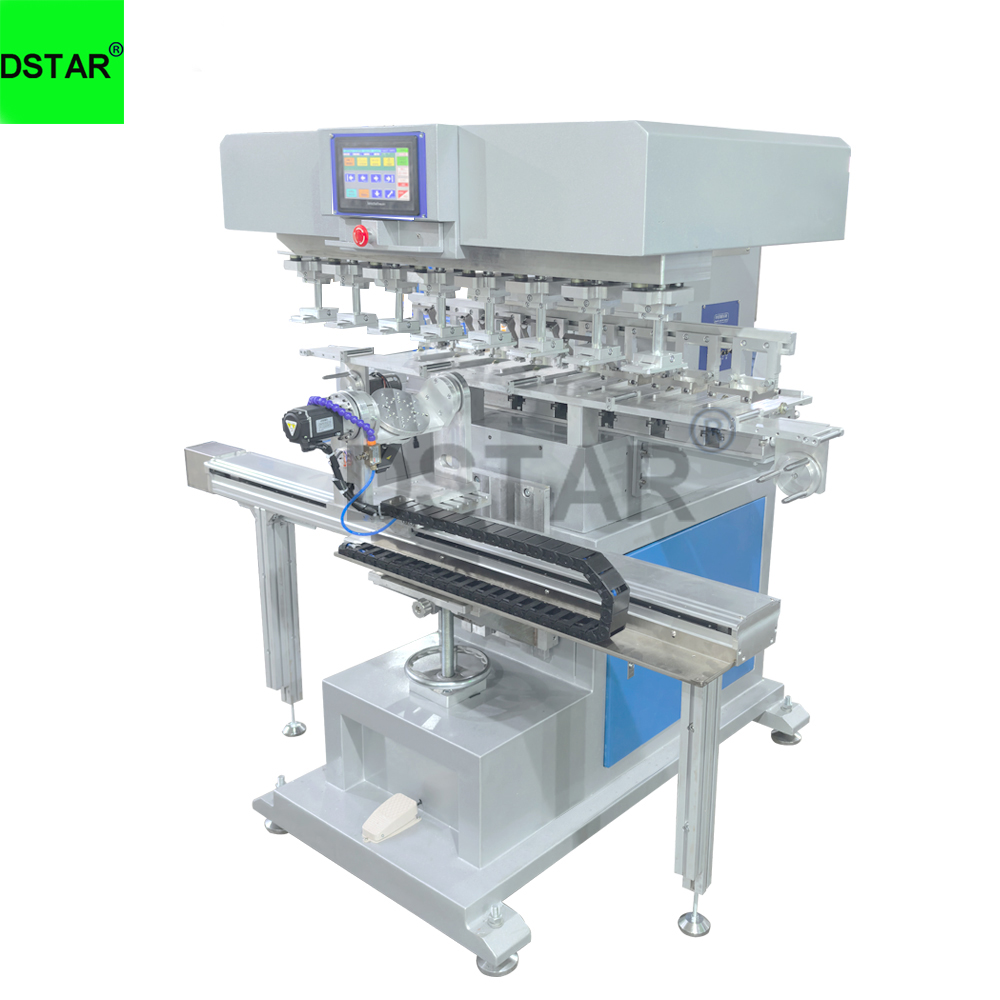
A pad printing machine for plastic toy decoration consists of three core components:
The ink cup and doctor blade system: Floods ink into the etching, then scrapes away excess, leaving ink only in the image area.
The cliché (printing plate): A steel or polymer plate laser-etched with the image recess.
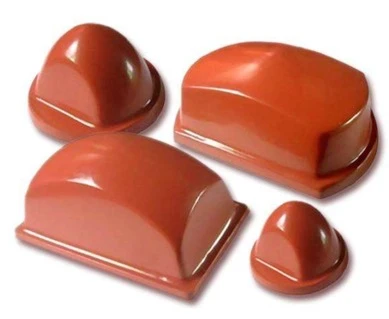
The silicone pad: A deformable transfer medium that picks ink from the cliché and deposits it onto the toy.
Process Summary (Step-by-Step):
- Complete image transfers; pad returns for the next cycle.
- Ink fills the etched recess on the cliché.
- Doctor blade removes surplus ink.
- Silicone pad compresses onto the cliché, lifting the ink.
- Pad travels and presses onto the plastic toy component.
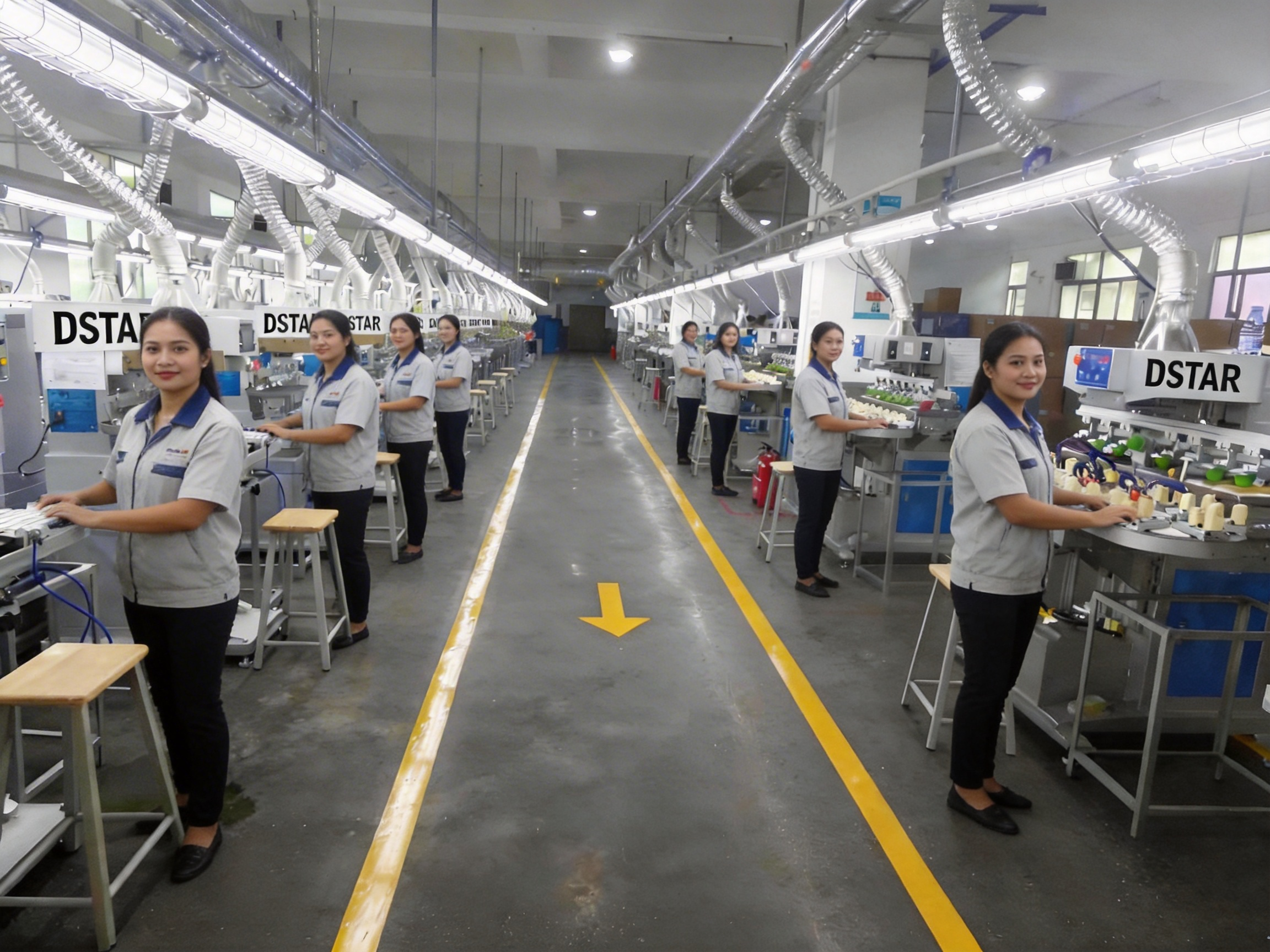
Why pad printing matters for toys
Injection-molded plastic parts rarely have flat surfaces. A pad printing machine for plastic toy applications handles concave doll eye sockets, convex car bodies, and textured building bricks with equal precision.
Key Applications in the Toy Industry
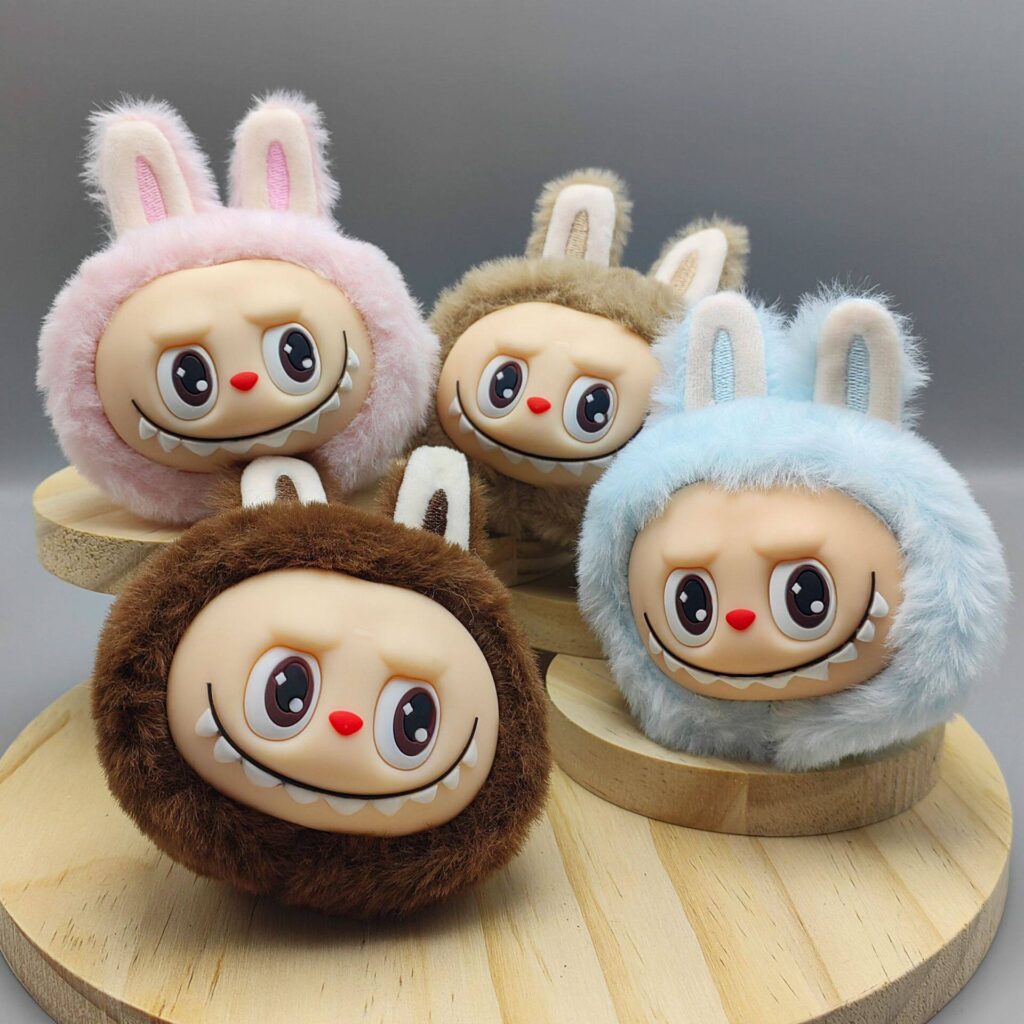
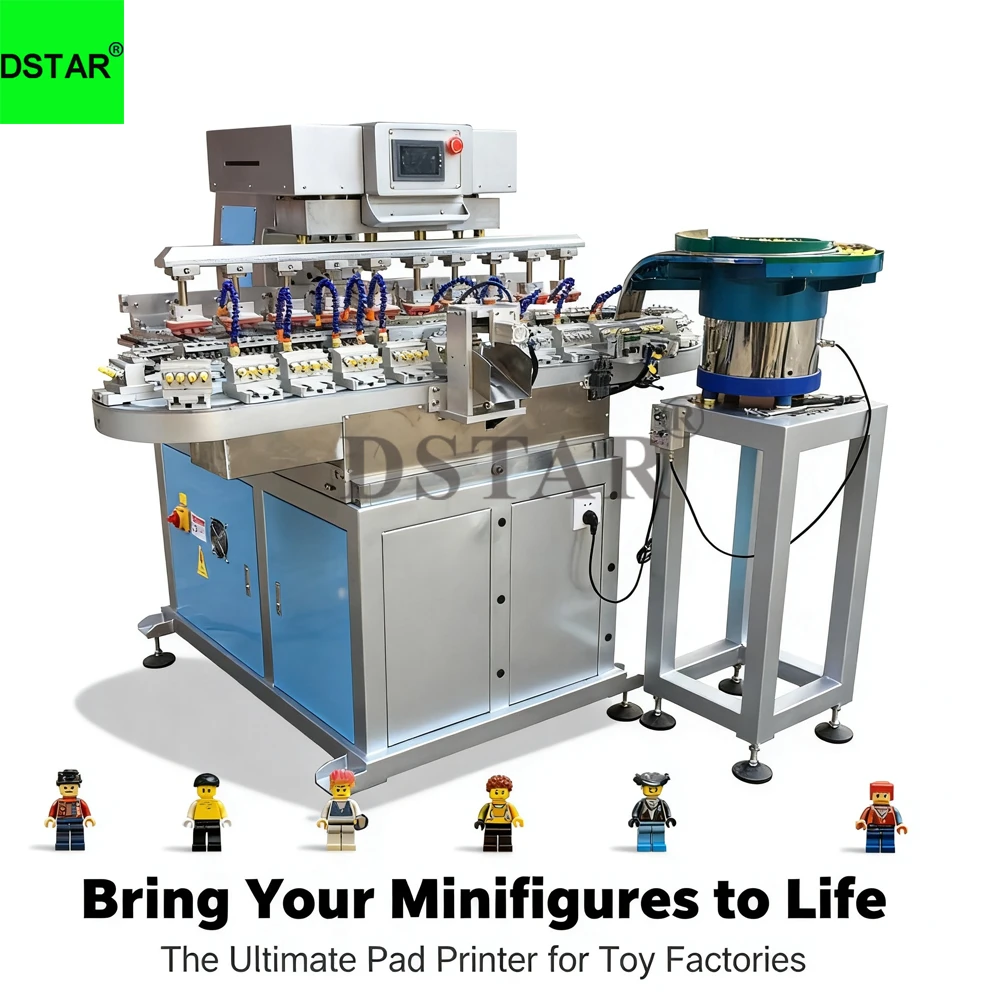
Doll and Action Figure Facial Features
- The silicone pad conforms to the sculpted eye socket geometry without distortion.
- Multi-color pad printers with rotary index tables print eyes in layers: white base → iris color → black pupil → eyelash detail.
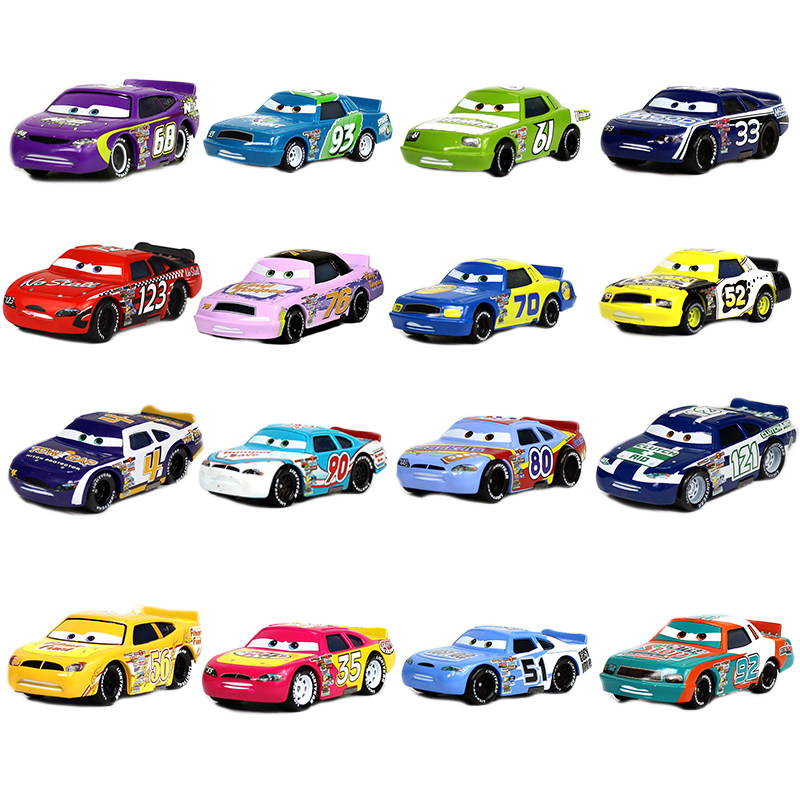
Model Car and Vehicle Detailing
- A pad printing machine for plastic toy cars can print through window openings onto interior angled panels — impossible for decals.
- Dashboards, racing stripes, sponsor logos, and headlight lenses are printed on curved and recessed surfaces.
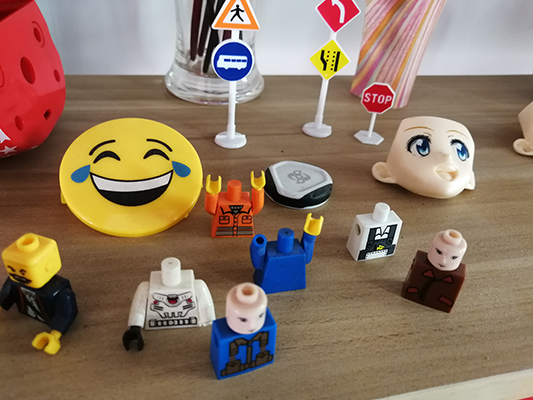
Building Blocks and Educational Toys
- High-speed figure toy automatic pad printing machine can exceed 3,000 cycles per hour.
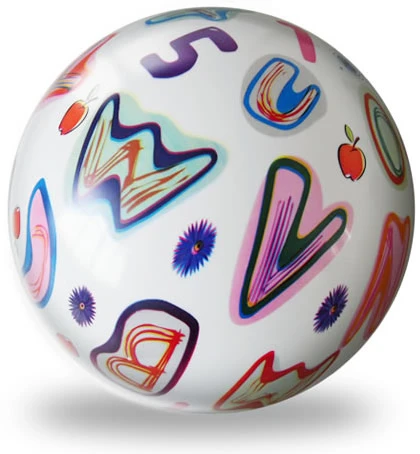
- Alphabet letters, numbers, and patterns on stacking blocks.
- Pad-printed inks bond chemically to ABS plastic; they will not peel (critical for avoiding choking hazards).
Soft PVC and Bath Toys
- Specialty dual-component pad printing inks meet safety standards for saliva resistance and heavy-metal migration limits.
- Squirters, teethers, and vinyl figurines require ink that resists warm water, soap, and chewing.
Technical Specifications That Affect Print Quality
| Parameter | Recommendation for Plastic Toys |
|---|---|
| Pad durometer (hardness) | 2–8 Shore A for curved surfaces; harder pads (10–15) for textured surfaces(hardness data vary from different supplier) |
| Ink type | Dual-component solvent-based or UV-LED curable |
| Cliché material | Laser-engraved steel (highest resolution) or polymer (budget option) |
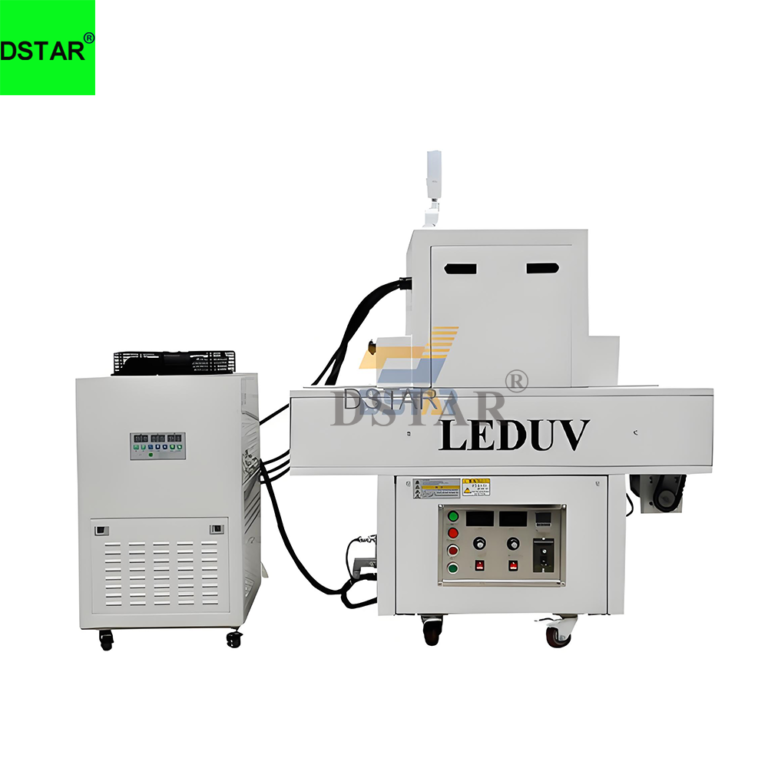
| Curing method | Heat drying or UV-LED inline curing for immediate handling |
| Automation level | Manual (low volume) → pneumatic → servo-driven rotary indexing (high volume) |
Advantages Over Other Decoration Methods
| Method | Limitation | Pad Printing Advantage |
|---|---|---|
| Labels/Stickers | Peel off; choking hazard | Ink bonds chemically; no peeling |
| Screen printing | Requires flat surfaces | Prints on 3D, curved, and recessed geometry |
| Water transfer decals | Multi-step; low durability | Single-step, high-durability results |
| Digital UV flatbed | Slow on irregular shapes | Pad conforms to shape; faster cycle times |
Definitive Statement: For any plastic toy with non-flat surfaces, a pad printing machine for plastic toy decoration is the only industrial method that combines speed, safety, and geometric versatility.
Future Trends: 2025 and Beyond
1. Hybrid Digital-Pad Systems
Laser-imaged temporary clichés will enable single-unit customization. A child’s drawing uploaded via an app can be printed onto a toy within minutes — making mass personalization commercially viable.
2. UV-LED Curing Integration
Inline UV-LED curing heads built into the printing station will eliminate solvent emissions entirely. Energy consumption drops by up to 60% compared to thermal drying tunnels.
3. AI Vision Quality Control
Cameras mounted on each print station perform real-time defect detection. Machine learning algorithms flag pad wear and ink viscosity drift before a defective print occurs, pushing yield rates toward 99.9%.
4. Biomimetic Silicone Pads
Researchers are developing pads with microscopic surface channels modeled on tree frog toe pads. These expel air during compression, enabling bubble-free printing on ultra-high-gloss “wet-look” toy finishes.
5. Water-Based Ink Formulations
Next-generation water-washable pad printing inks will eliminate the last petrochemical solvents from toy decoration, aligning with corporate ESG goals and tightening EU chemical regulations.
Frequently Asked Questions (FAQ)
Q: Can a pad printing machine print on all plastics?
A: Most common toy plastics (ABS, PVC, PP, PE) are printable, but polypropylene and polyethylene require pre-treatment (flame or corona) to improve ink adhesion.
Q: How many colors can one machine print?
A: there are single color and multi color up to 12 color machine from DSTAR.You can contact DSTAR company to recommend a suitable model machine according your product printing requirements.
Q: What is the typical cycle time?
A: Semi automatic machines: 400–1200 pieces/hour. Automated servo-driven systems: 2,000–3,600 pieces/hour.The exactly printing output is determined by the machine model and the detailed printing requirements.Please contact DSTAR sales team for more profeesional consultant service.
Q: Do pad-printed toys pass safety tests?
A: Yes, provided certified toy-safe inks are used. Always request EN 71-3 and ASTM F963 compliance documentation from your ink supplier.
Key Takeaways
- A pad printing machine for plastic toy production is unmatched for decorating 3D, curved, and textured surfaces.
- Safety-certified dual-component inks are essential for compliance in global toy markets.
- Automation and UV-LED curing are driving the industry toward zero-emission, high-speed production.
- Hybrid digital-pad technology will soon enable profitable mass customization of toys.
For manufacturers seeking reliable, high-volume decoration of plastic toys, investing in a properly specified pad printing machine remains the proven, safety-compliant, and cost-effective choice.
Related Toy Printing Machines