Automatic Printing Machine Manufacturer

Screen Printing and Offset Printing for Disposable Drinking Cups
drinking cup printing machines
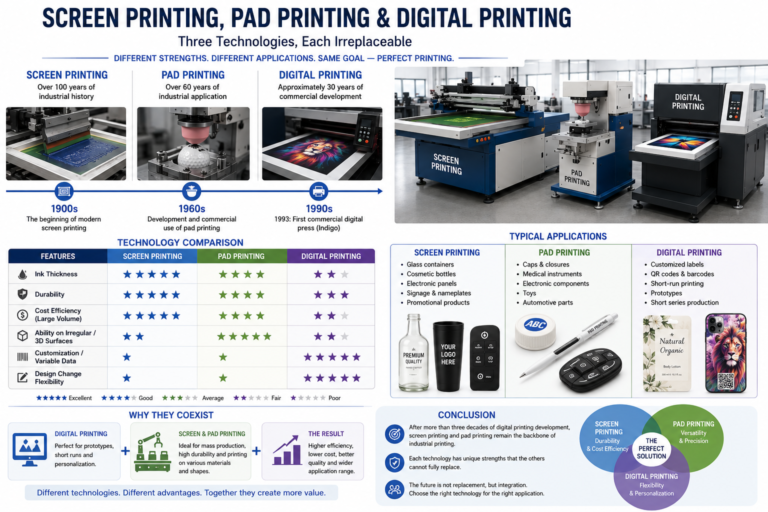
In the rapidly evolving landscape of the food and beverage packaging industry, the decoration of cylindrical containers—particularly disposable drinking cups—has become a critical battleground for efficiency, quality, and cost control. As the “new tea drink” (new-style tea beverage) market enters a phase of capital consolidation and environmental regulation, manufacturers are increasingly scrutinizing their equipment investments.
The drinking cup screen printing machine has emerged as a focal point of this discussion, often weighed against the traditional cup offset printing machine. Understanding the distinct principles of curved surface screen printing and curved surface offset printing is essential for making an informed manufacturing decision.
Screen Printing VS Offset Printing on Curved Surfaces
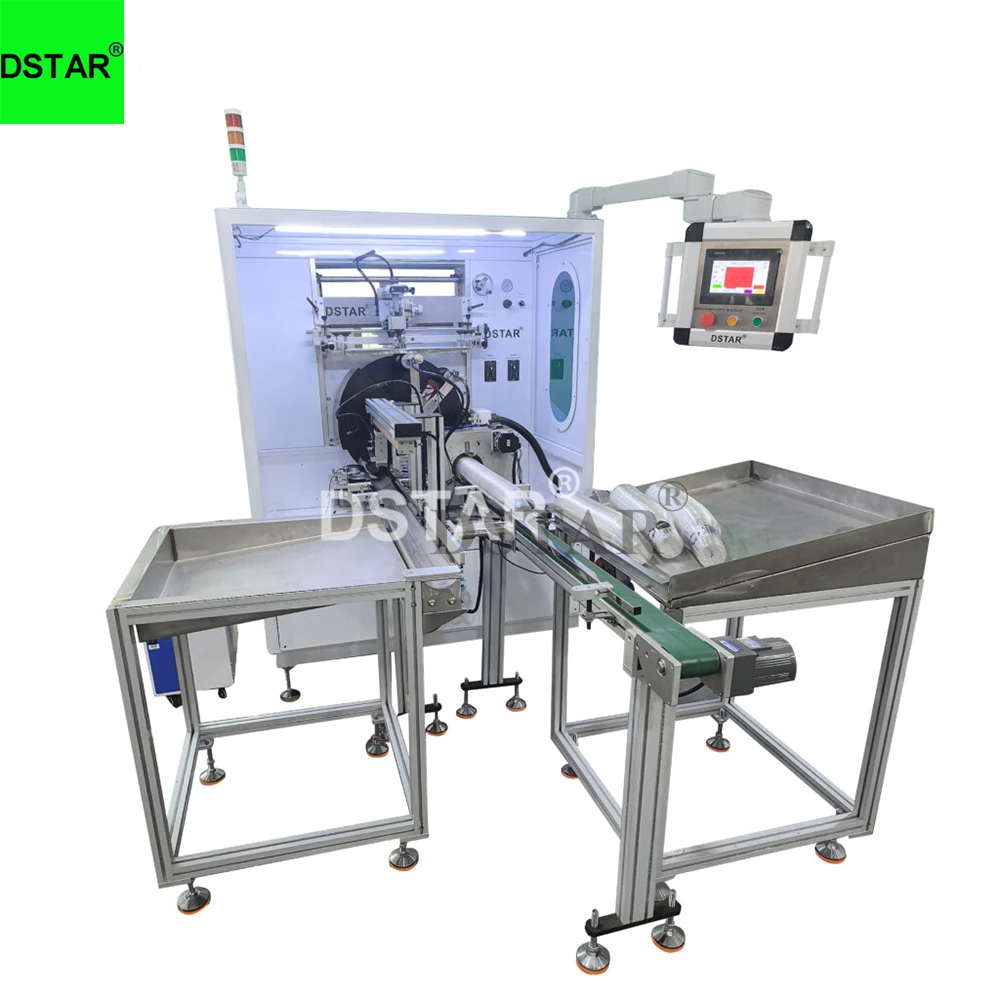
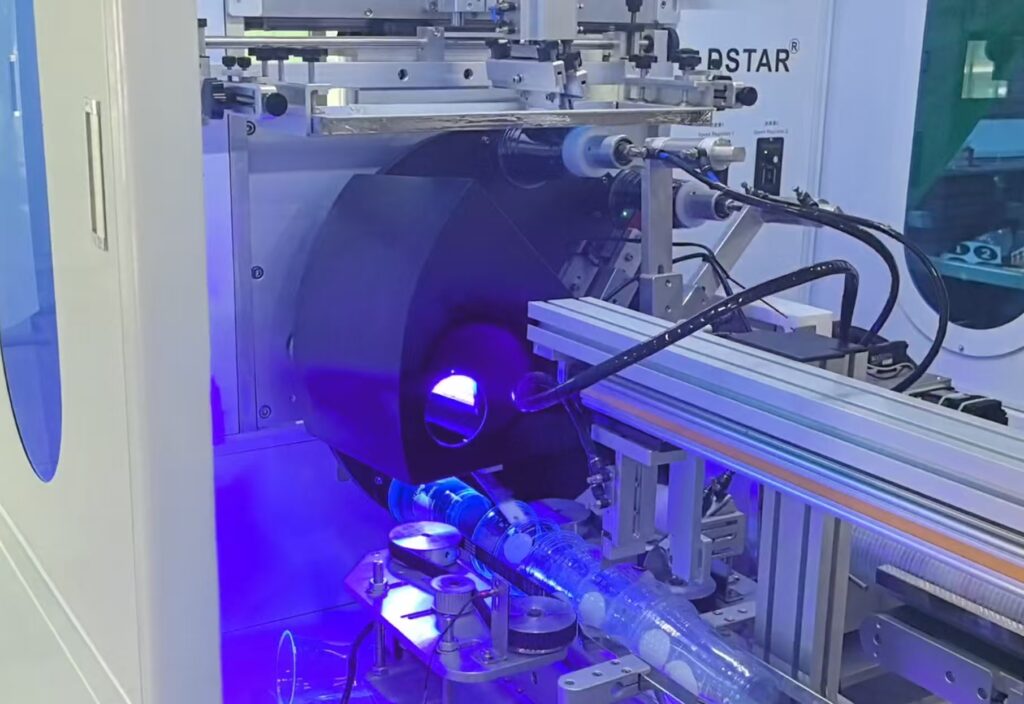
Curved Surface Screen Printing operates on the principle of stencil permeability. The process utilizes a fine mesh screen stretched over a frame. A squeegee moves across the screen, forcing ink through the open mesh areas onto the substrate. In the context of cylindrical or curved objects, the screen is not static; it moves laterally while the squeegee remains fixed relative to the product’s apex. The friction between the screen and the substrate causes the cup or container to rotate synchronously with the screen’s linear movement. A critical requirement is that the squeegee’s centerline (the apex of its contact point) must align perfectly with the vertical centerline of the cylindrical product to ensure that the ink transfer occurs without smudging. This technique is inherently versatile, accommodating slight variations in substrate diameter because the screen can float and adjust.
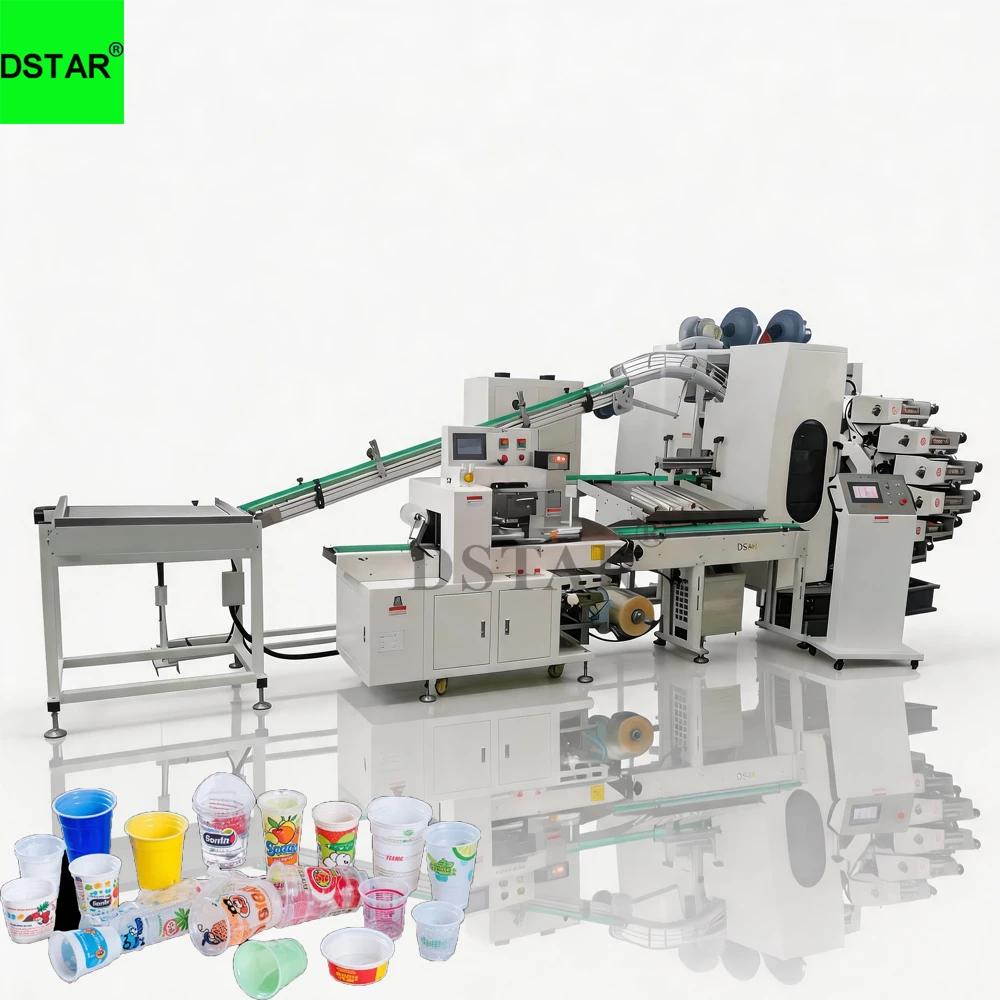
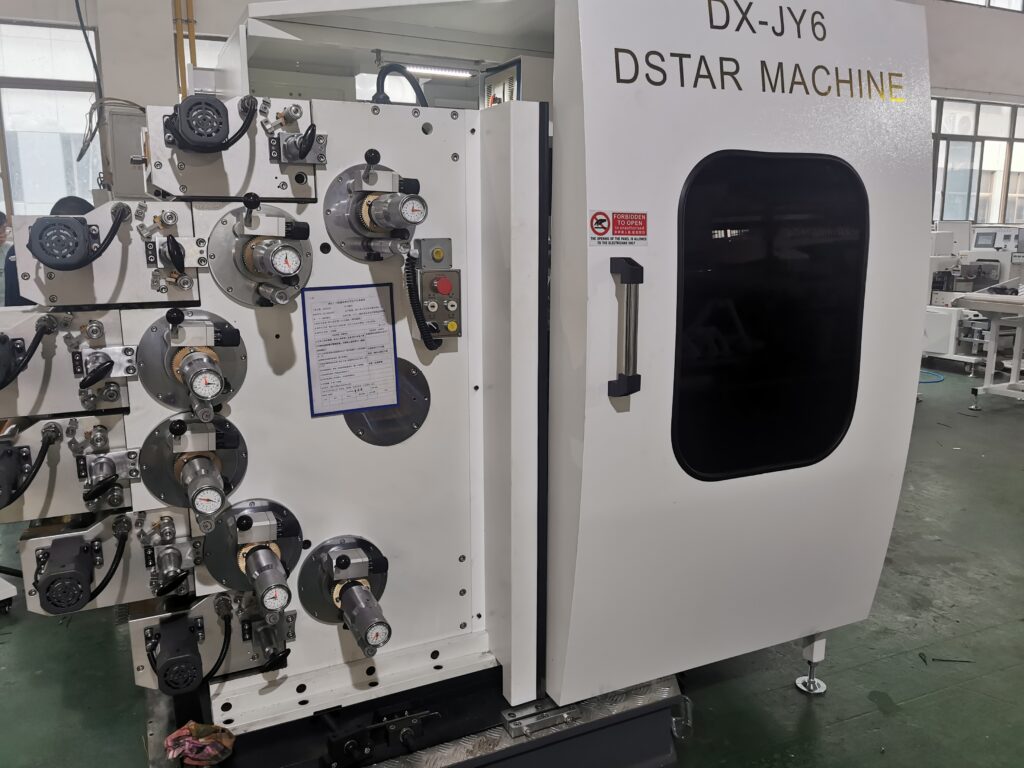
Curved Surface Offset Printing, often simply called dry offset or letterpress offset for cups, operates on the principle of indirect transfer. The image is pre-printed onto a flat printing plate (often a metal or photopolymer plate). Rather than transferring directly to the cup, the inked image is first picked up by an intermediate carrier known as a “blanket” (typically a rubber roller or silicone pad). This blanket then rotates against the curved surface of the cup, transferring the ink. The advanced application of this principle for high-precision electronics sometimes involves a screen-offset hybrid, where the ink is first screen-printed onto a silicone blanket roller. The silicone absorbs excess solvent, increasing ink viscosity to prevent bleeding, and then the blanket rotates along the concave or cylindrical glass to transfer a sharp, thick pattern. In standard drinking cup machines, the multi-station turret design allows for sequential application of multiple colors using different plates before the cup leaves the machine
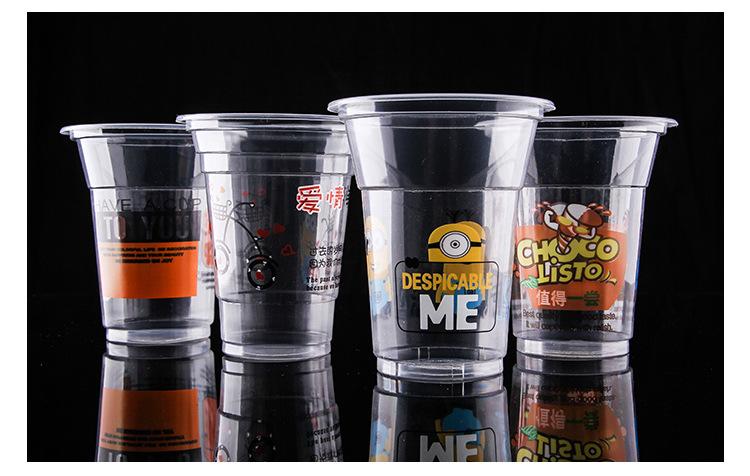
The Application of Screen Printing in Disposable Milk Tea Cups
The modern disposable cup, particularly the PP or PET milk tea cup, presents unique decoration challenges: it is lightweight, often slightly tapered, and sensitive to heat. The drinking cup screen printing machine has been engineered specifically to address these delicate requirements.
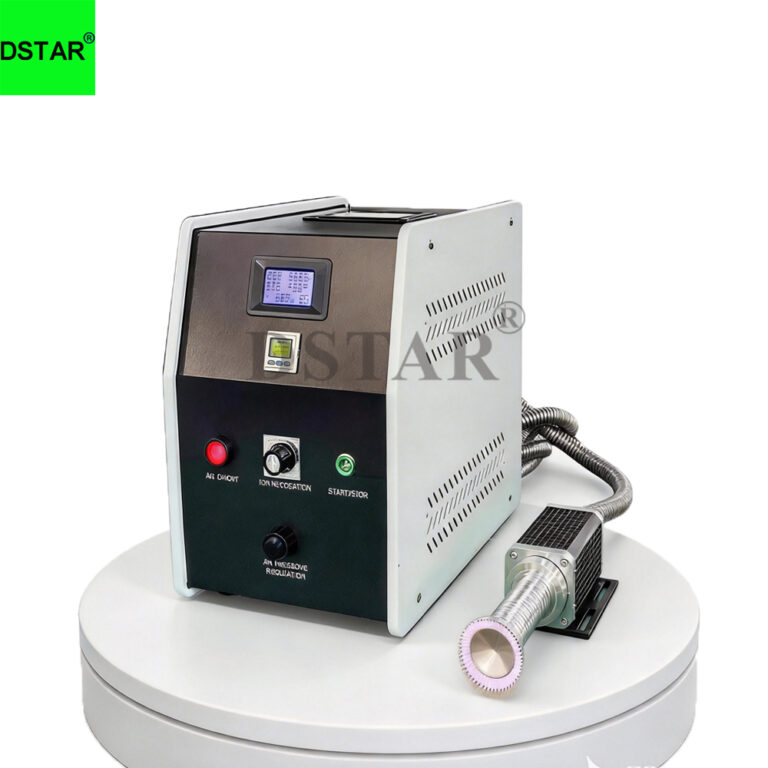
Modern fully automatic cylindrical screen printing lines for cups integrate several stages into a seamless flow: automatic loading via a rotary feeder, pre-print surface treatment (corona or flame treatment to increase surface energy for ink adhesion), automatic positioning through vacuum suction mechanisms, precise printing, and instant LED UV curing. The use of LED UV curing is a pivotal technological upgrade. Unlike older mercury lamps, LED systems emit minimal heat, which is critical for preventing thermal deformation in thin-walled plastic drinking cups. Machines like the “SZD-104-L” series utilize servo-driven registration and patented systems to hold print accuracy even on containers without bottom location marks, handling 1 to 5 colors with fast changeover capabilities.
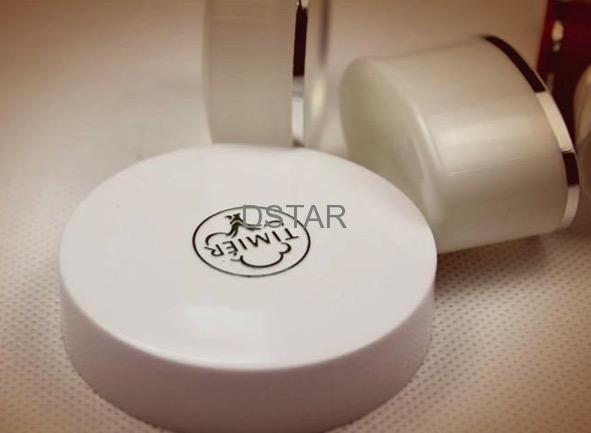
Furthermore, screen printing excels in opacity and tactile texture. For drinking cups that require a stark white base layer beneath a vibrant red or minimalist gold logo, screen printing deposits a significantly thicker ink film (often 5 to 10 times thicker than offset printing) in a single pass.
Head-to-Head Comparison: Cup Screen Printing Machine vs. Cup Offset Printing Machine
When evaluating a drinking cup screen printing machine against a cup offset printing machine, the decision invariably hinges on volume, design complexity, and cost. Below is a segmented analysis of their respective advantages, disadvantages, and market trajectories.
1. Print Quality and Resolution
- Screen Printing Advantage: The primary merit is the impressive ink coverage and durability. The thick ink film is resistant to scratching and provides vibrant, high-opacity colors on clear plastic. It is ideal for bold, solid color logos or text where visual heft signals premium quality. For basic 1-3 color decorations requiring strong opacity, screen printing machines (like the automatic 2-color cylindrical models) offer a high-precision, high-quality solution with relatively straightforward setup.
- Offset Printing Advantage: The lithographic offset principle allows for exceptionally fine detail and smooth vignettes (gradients). In paper cup printing, offset is noted for creating sharp, full-color images that are visually superior for complex graphics. While screen printing can sometimes struggle with moire patterns and fine text bleeding, offset machines excel in photo-realistic reproduction.
2. Production Speed and Automation
- Screen Printing State-of-the-Art: Historically, screen printing was slower due to the sequential nature of ink curing. However, modern high-speed multi-station rotary designs have narrowed the gap. Entry-level to mid-range drinking cup screen machines might run at 1,300 to 1,500 pieces per hour for intricate multi-color work. More advanced configurations with dual-mold high-speed rotary dials and A/B mold setups can process two items per cycle. For larger glass or rigid containers, specialized screen systems can reach speeds of up to 4,200 to 6,000 pieces per hour, though these are often dedicated to ceramic inks rather than plastic foodware.
- Offset Printing Throughput: The cup offset printing machine is the undisputed champion of speed. Operating on a continuous-motion turret with six or eight stations, these machines print all colors simultaneously rather than sequentially. They routinely handle upwards of 15,000 to 20,000 cups per hour. For multinational brands producing millions of identical yoghurt or coffee cups, offset printing provides the lowest lead time per unit.
3. Cost, Flexibility, and Color Registration
- Cost Efficiency: The initial capital investment for a screen printing line is generally lower, making it a cost-effective entry point for small to medium enterprises or startups rolling out small-batch customized runs. Quick changeover features (with memory functions for different cup parameters) allow a screen printer to switch between jobs with minimal downtime.
- Color Complexity: Offset machines face a rigid mechanical constraint; a 6-color press must always run six plates, even for a 2-color job, to maintain the balance of the blanket drums. Conversely, a modular screen printing line can be configured for 2, 3, or 4 colors as needed. However, offset maintains tighter registration across those colors due to the centralized turret design, whereas screen printers must fight material stretch and conveyor vibrations between stations.
4. Market Integration against Industry Volatility
Current market analysis indicates that the Plastic Cup Screen Printing Machines market is projected to grow from 1.2 billion in 2024 to 2.3 billion by 2033, driven by customization demands and e-commerce presentation. However, this growth is tempered by the cutthroat nature of the beverage supply chain. As noted in recent financial news, upstream packaging suppliers are “getting squeezed”—facing demands for price cuts from major tea brands and dealing with slim profit margins. Therefore, the screen printing machine’s flexibility and lower cost of tooling for short runs align well with the current market’s pivot toward niche branding and regional customization, whereas the offset machine’s high productivity justifies its cost only under consistent, ultra-high-volume demand.
Market Outlook and Strategic Forecast
The future trajectory of drinking cup screen printing machines is bifurcating into two streams: Standard Specialization and Digital Hybridization.
Standard Specialization: As the Asia-Pacific region maintains a high CAGR (Compound Annual Growth Rate) due to rapid industrialization in the food and beverage sector, there is a sustained demand for robust, reliable cylindrical rotary screen printers. This is particularly true in emerging markets where local milk tea chains require medium-speed production of durable prints.
Digital Hybridization: The threat of obsolescence by pure digital inkjet is moderated by the specific physics of cylindrical printing. While digital excels in unlimited colors and zero screen costs, its ink adhesion on large, curved plastic walls often fails to meet the scratch-resistance standards of global beverage brands. The patented “Screen-Offset” concept—using a silicone blanket to mediate ink transfer—represents the hybrid future. This technology maintains the thick, durable film of screen printing while achieving the fine edge definition of offset, especially for complex shapes like concave cups.
In conclusion, the drinking cup screen printing machine is not being replaced; it is being refined. For manufacturers navigating the cost-cutting trends of the new tea drink era, the machine’s ability to combine low-barrier custom printing with high-opacity visual appeal makes it an indispensable asset. The market requires both the surgical precision of screen printing for tactile branding and the raw speed of offset for commodity runs. The winning formula is a hybrid strategy, selecting the drinking cup screen printing method for premium short-run tactile finishes and the offset method when scale strictly dominates the bottom line.
Gallery demo