Automatic Printing Machine Manufacturer

Full Introduction to Screen Printing Plate
In industrial printing, a screen printing plate (commonly called a screen stencil or printing frame) is a mesh fabric stretched tight over a frame and masked with a stencil to block ink in non-image areas.
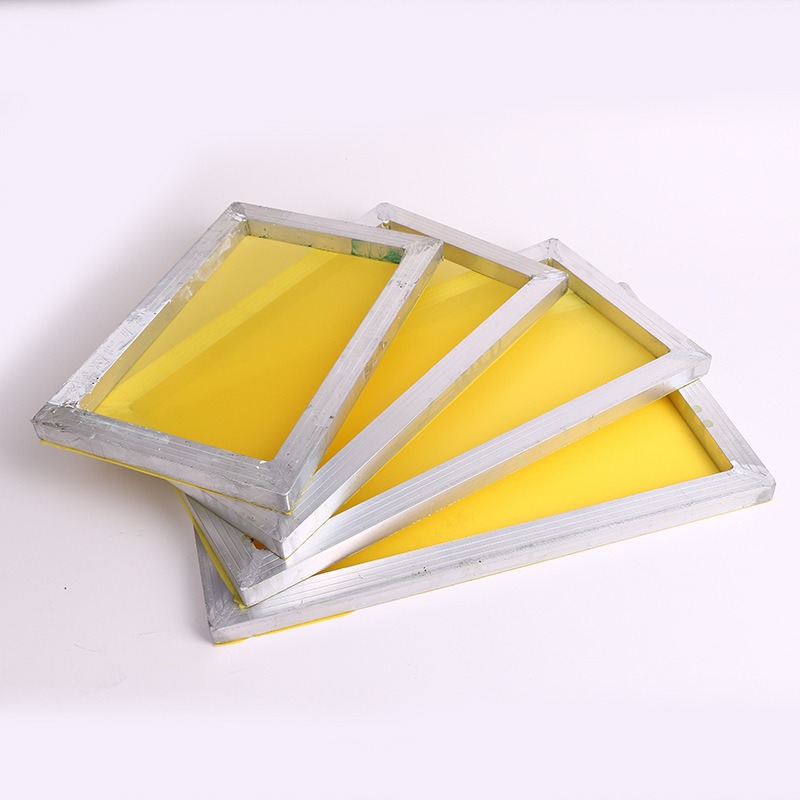
A screen printing mesh plate is the core tool of screen printing. It consists of a mesh frame, screen mesh, and photosensitive emulsion layer. It forms transparent graphic areas and sealed non-graphic areas on the screen. Ink passes through the mesh holes and transfers onto the substrate. It is widely used in electronics, glass, textile, packaging and other industries, featuring low cost, strong compatibility and suitability for mass production.
1. Materials & Structure of Screen Printing Plate
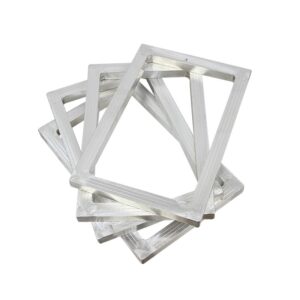
1.1 Screen Frame
Main material: Aluminum alloy frame — light weight, high flatness, not easy to deform, industrial standard.
Wooden frame: low cost, only for small DIY trial printing, easy to deform after long use.
Frame size should be 10–15 cm larger than the printing pattern to reserve squeegee moving space.
1.2 Screen Mesh
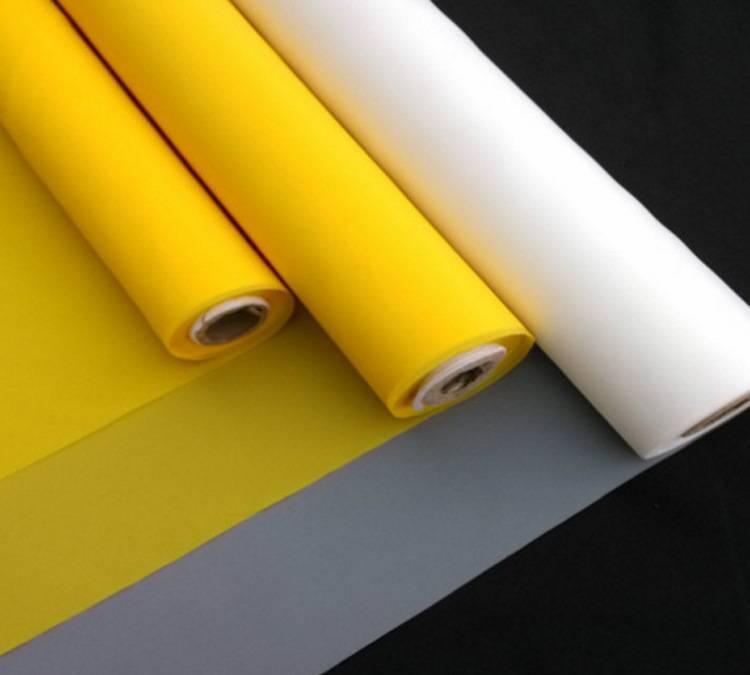
- Polyester Mesh (Yellow): Most widely used, solvent resistance stable, reduce UV scattering, improve fine line definition.
- Nylon Mesh: Good elasticity, suitable for curved surface printing.
- Stainless Steel Mesh: Ultra-high precision, long service life, for electronic circuit printing.
| Feature | Description |
|---|---|
| Superior ink flow & print quality | Optimized mesh structure ensures smoother ink passage and sharper, more refined printed patterns |
| Better adhesion with stencil materials | Stronger bonding with photo emulsions, resulting in higher stencil quality |
| No degreasing required | Eliminates traditional degreasing process, simplifying stencil preparation |
| Streamlined stencil making process | Overall workflow simplification, boosting production efficiency |
| Improved cost-effectiveness | Reduced processes, lower consumables and labor costs |
| Eco-friendly & green | Reduced chemical usage, more environmentally sustainable |
| Extended stencil lifespan | Excellent durability, minimizing replacement frequency |
| Model | Mesh Count | Thread Diameter | Application |
|---|---|---|---|
| 120T | 305 mesh | 34μm | High mesh count, suitable for fine detail printing |
| 140T | 355 mesh | 34μm | Ultra-high mesh count, precision graphic printing |
| 100T | 255 mesh | 40μm | Standard mesh count, versatile general use |
80–150 mesh: thick ink layer, textile, garment printing;
200–400 mesh: fine text, logo, electronic and precise pattern printing.
Applications
- Electronic circuit board (PCB) printing
- Glass & ceramic decorative printing
- Textile screen printing
- Advertising signage & poster printing
- Industrial filtration & specialty material printing
1.3 Photosensitive Emulsion
Two main types:
Solvent/UV resistant emulsion: for solvent ink and UV ink, plastic, glass, cosmetic packaging printing.
Water-based emulsion: for water-based ink, clothing textile printing.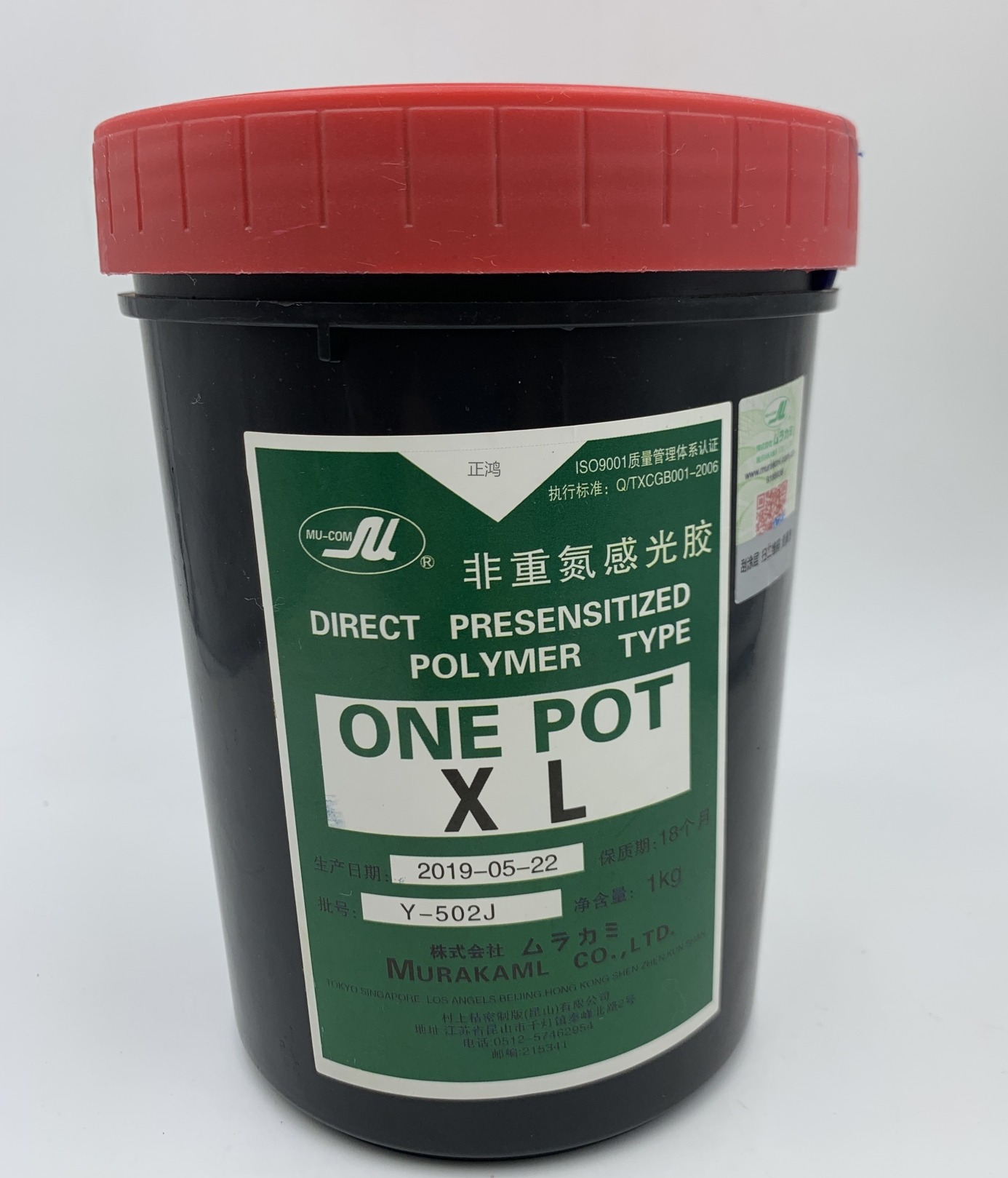
2. Complete Screen Making Process
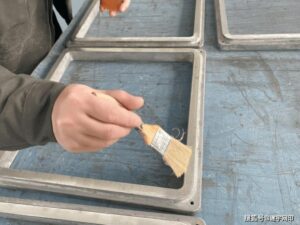
Frame CleaningClean old emulsion, residual ink and waste mesh on the frame, keep dry and clean.
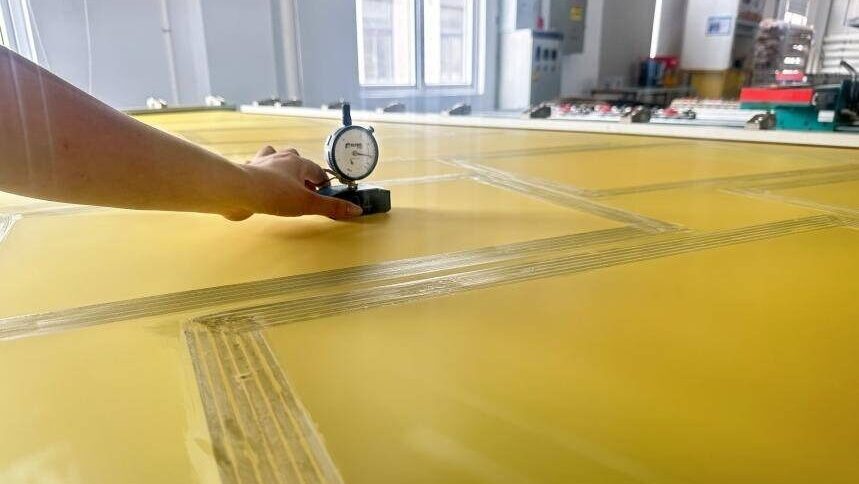
Mesh StretchingUse mesh stretching machine to pull the mesh evenly, tension standard: 18–25 N/cm², keep tension balance to avoid printing distortion.
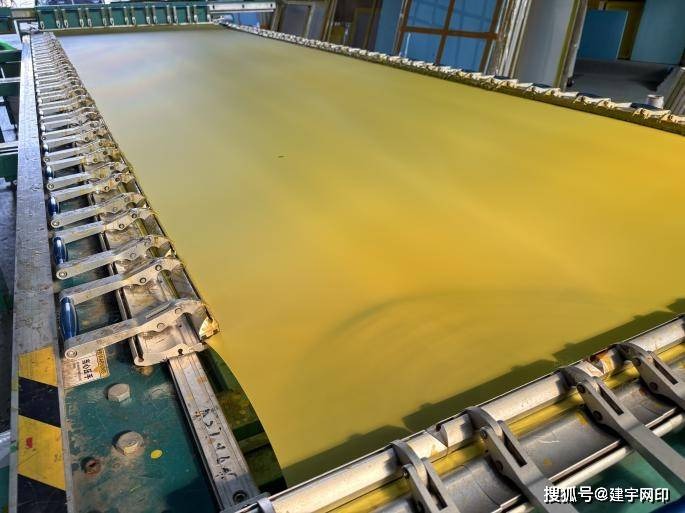
Gluing & TrimmingApply adhesive on frame edge, bond mesh firmly, cure naturally 24 hours, cut redundant mesh edge.
- Degreasing Washing Remove oil and dust with degreaser, rinse with clean water, low-temperature dry, avoid emulsion peeling and pinholes.
- Emulsion Coating Use emulsion trough to coat both sides evenly under darkroom yellow light, 1–2 layers each side, dry at 40–50℃.

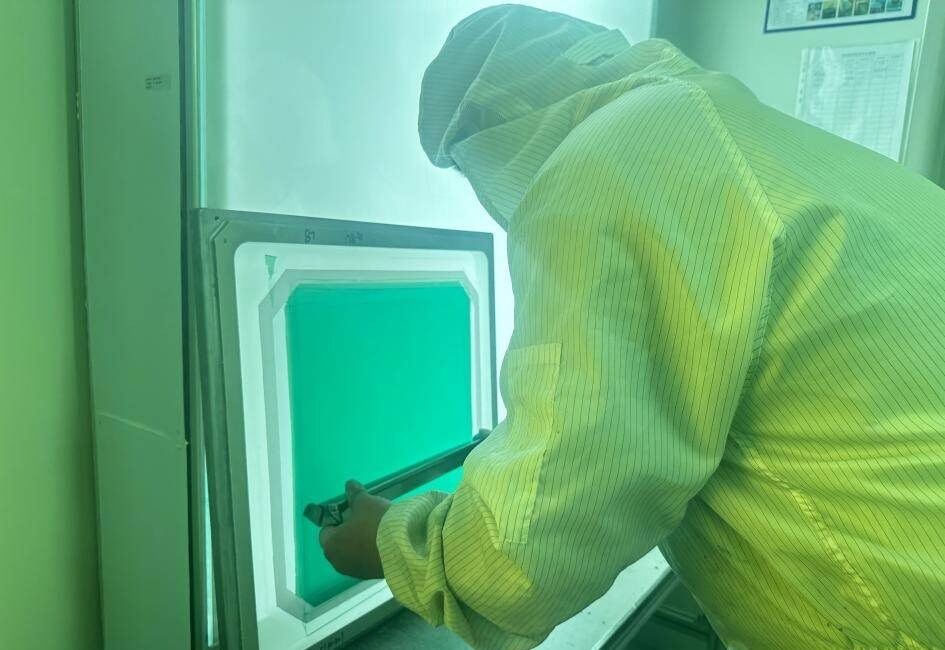
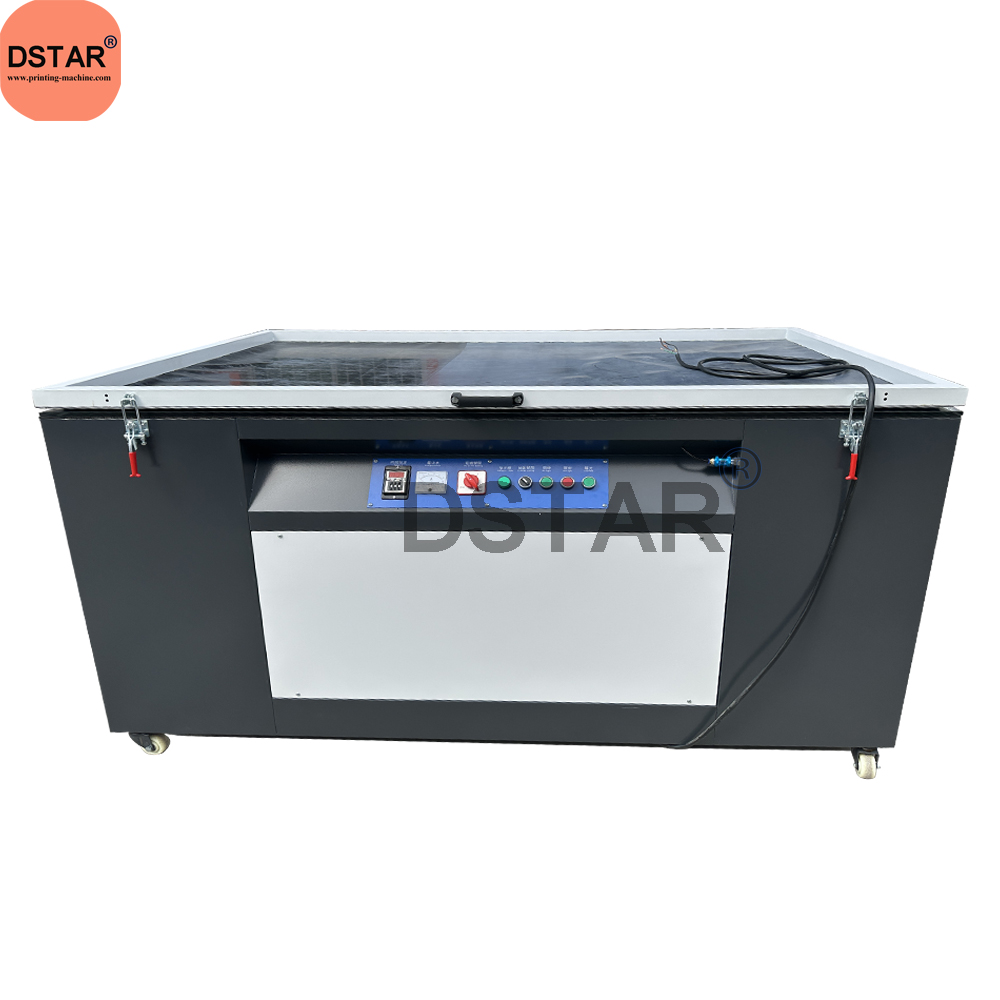
- UV Exposure Put film positive tightly on the mesh, vacuum exposure machine work 3–10 minutes. Non-pattern area emulsion cured and sealed.

- Water Developing Rinse with high-pressure water 0.2–0.4 MPa, wash away unexposed emulsion to form transparent pattern holes, then dry.
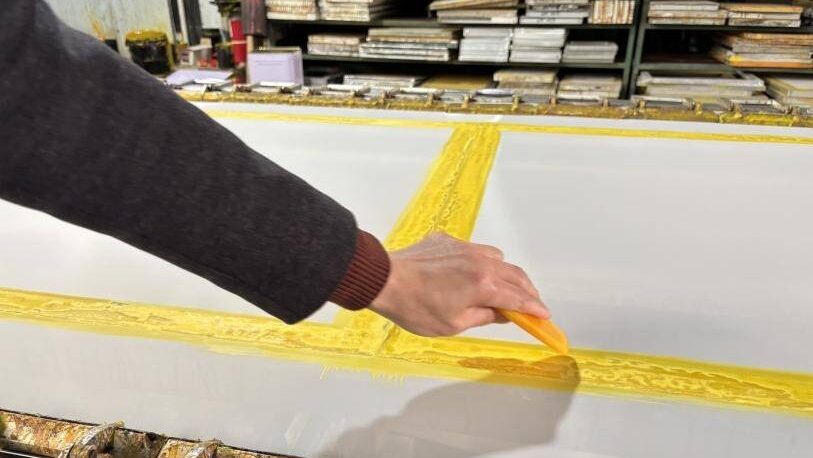
- Retouch & Edge Sealing Repair pinholes with screen filler, seal frame edge with masking tape to prevent ink leakage.
3. Required Equipment & Materials
Main Equipment
- Mesh Stretching Machine
- Tension Meter
- Vacuum UV Exposure Machine
- Emulsion Coating Trough
- Screen Drying Cabinet
- High Pressure Water Gun
Raw Materials
Aluminum frame, polyester/nylon mesh, photosensitive emulsion, film positive, degreaser, mesh adhesive, retouch glue, sealing tape.
4. Common Problems & Notes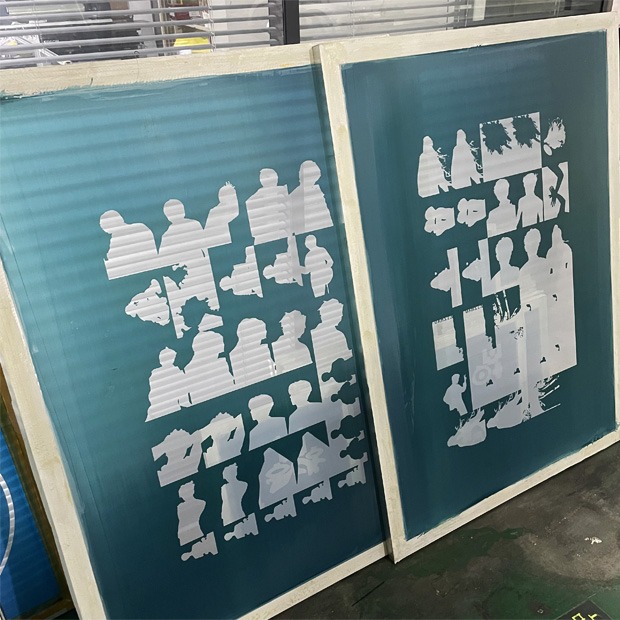
- Working environment: dust-free darkroom, temperature 20–25℃, humidity 50%–60%.
- Pattern edge blurry: UV light scattering, use yellow mesh and vacuum tight exposure.
- Pinhole & peeling: incomplete degreasing or over-high drying temperature.
- Pattern distortion: uneven mesh tension during stretching.