Automatic Printing Machine Manufacturer

Film Imagesetter: The Perfect Integration of Laser Technology and Printing Process
What is a Film Imagesetter?
A film imagesetter, also known as a laser imagesetter or CtF device (Computer-to-Film), is a high-precision, large-format laser output device. Its core function is to accurately expose text, graphics, and image information processed by a computer onto photosensitive film through laser scanning technology, producing negatives for printing plate-making”.
In the printing plate-making workflow, the film imagesetter plays a crucial bridging role—it converts electronic files from the digital world into physical film images, serving as the core equipment of “prepress technology”.
Working Principle
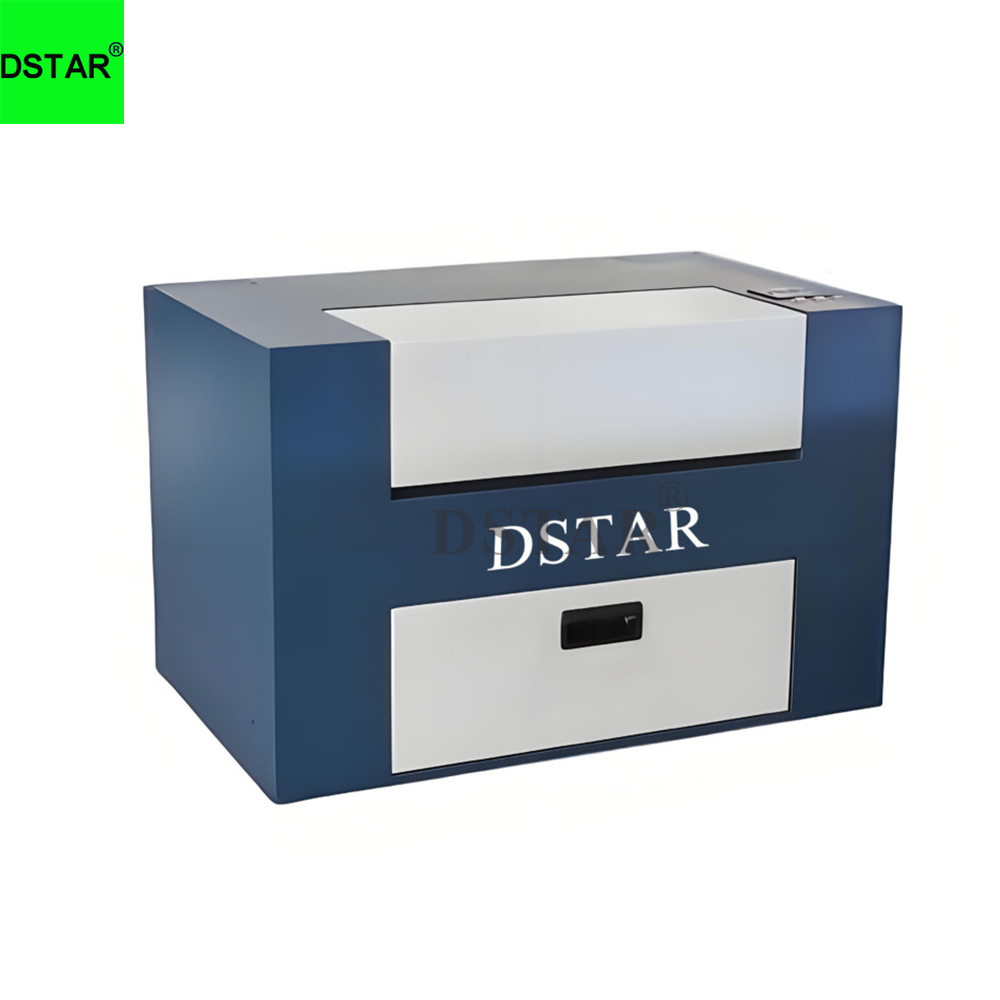
The working principle of a film imagesetter can be summarized as a precision collaborative process of “optics, mechanics, and electronics integration”.
Data Processing: Computer typesetting software generates page description files, which are then converted into laser dot-matrix data by a RIP (Raster Image Processor).
Laser Scanning Exposure: A controlled laser beam scans the film sheet line by line; the points where the laser is activated create exposure spots, which ultimately coalesce to form a complete graphic and textual image.
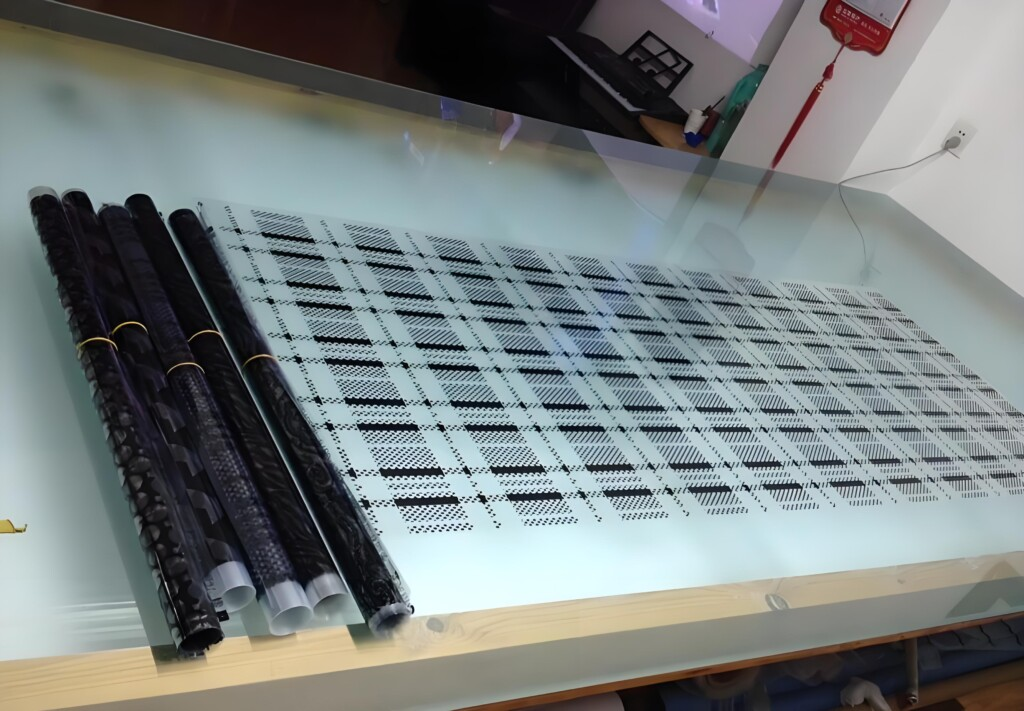
Developing & Fixing: The exposed film sheet is processed through a film processor; the unexposed areas are washed away, leaving behind a crisp image composed of halftone dots.
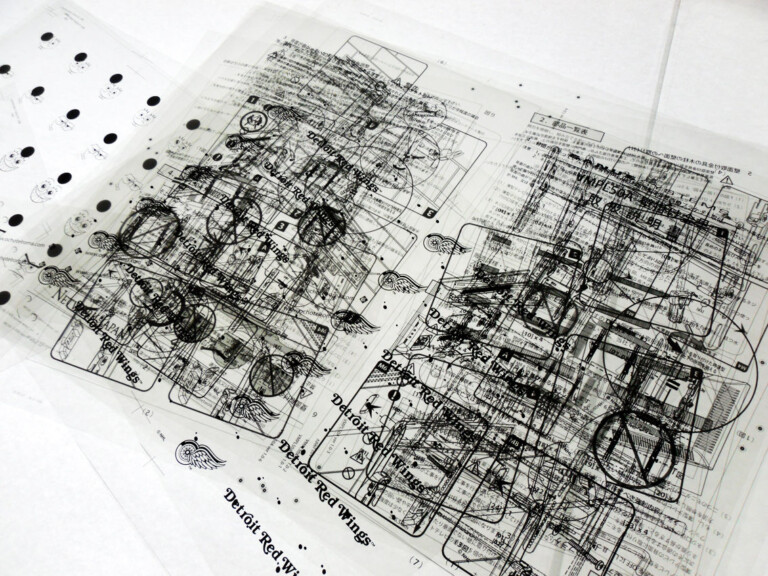
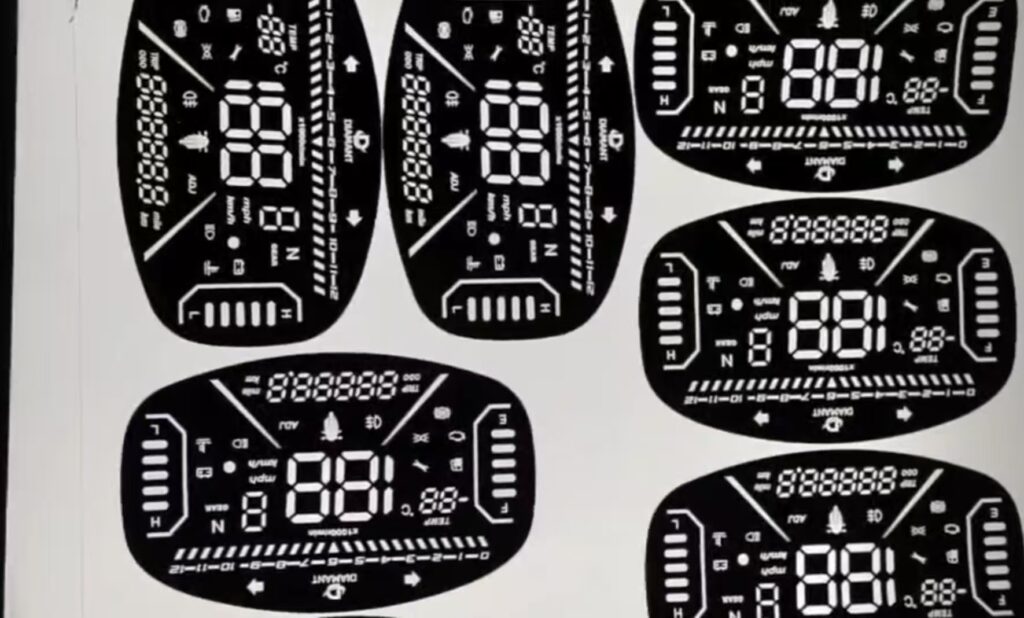
Classification & Technical Characteristics
According to mechanical structure and scanning methods, film imagesetters are mainly divided into the following two categories:
1. External Drum Type
The film is adsorbed onto the outer surface of a circular drum. While the drum rotates, the laser head moves axially to perform scanning.
Features:
- Can use multi-beam parallel exposure to improve efficiency
- Typical configuration: 64 laser beams scanning simultaneously
- Rotation speed approx. 500 rpm (slower for single beam, compensated by multi-beam)
- Relatively simple structure, easy maintenance
2. Internal Drum Type
The film is vacuum-adsorbed onto the inner wall of a cylindrical drum. The laser head projects the beam to various points on the inner wall through a high-speed rotating polygon mirror for scanning exposure.
Features:
- Equal distance from the beam to all points on the film, achieving the highest precision
- Resolution up to 1/4 mil (approx. 6.35 microns)
- Rotation speed up to 12,000 rpm, fast
- Complex structure, expensive
Core Technical Parameters
| Parameter | Description | Typical Value |
|---|---|---|
| Scanning Resolution | Exposure dots per inch | 1500 – 4000 DPI(expandable to 4800 DPI) |
| Repeatability Precision | Registration error between multiple color separation films | ±0.005mm to ±0.01mm |
| Exposure Format | Maximum output film size | 940mm × 660mm to 1320mm × 914mm |
| Laser Source | Exposure laser type | He-Ne Laser(633nm)/ Semiconductor Laser(650nm) |
| Scanning Speed | Exposure time for a single film | Approx. 2–7 minutes per sheet (depending on resolution |
Application Fields
The application range of film imagesetters is very extensive, covering traditional printing and plate-making needs for some special industries:
- Commercial Printing: Plate-making for high-precision printed matter such as books, magazines, newspapers, and albums
- PCB Manufacturing: Film output for printed circuit board circuit patterns
- Screen Printing: Plate-making for signage, ceramic decals, textiles, stickers, etc.
- Packaging Printing: Pre-press plate-making for various product packaging
- Specialty Printing: Film production for processes such as pad printing, gravure printing, and transfer printing
Film Output Process Flow
The complete process flow of film output is as follows:
Design → RIP → Laser Exposure → Developing → Finished Film → Plate-making
- Design and Layout: Executing graphic design and layout tasks using software such as CorelDRAW, Illustrator, and AutoCAD.
- RIP Processing: Transmitting layout files to RIP software for rasterization, thereby generating bitmap data.
- Laser Exposure: The imagesetter controls a laser beam—guided by the bitmap data—to scan and expose the film.
- Developing and Processing: The exposed film passes through a film processor to undergo a series of steps, including developing, fixing, washing, and drying.
- Quality Inspection: Inspecting the film negatives to verify solid density and dot reproduction accuracy, as well as to check for defects such as scratches or pinholes.
Among these, RIP processing is the critical step. The system converts text and image information into dot-matrix images composed of dots, precisely controlling the angle, size, and position of each dot to ensure color reproduction and gradation performance of the final printed product
Current Status & Future Outlook
Since the 21st century, CTP technology (Computer-to-Plate) has matured, eliminating the two intermediate steps of film output and plate exposure, further improving printing efficiency. However, film imagesetters have not been completely phased out:
- Cost Advantage:Film materials entail relatively low costs, making them suitable for small-to-medium batch printing.
- Equipment Maturity:The technology is stable, and operators are highly experienced.
- Niche Markets:Stable demand persists in sectors such as PCB manufacturing and screen printing.
Currently, film imagesetter and CTP technologies coexist complementarily, serving the diverse printing market together. In the future, with the continuous development of digital printing technology, traditional plate-making processes may further evolve, but the revolutionary spirit of “light and electricity” represented by the film imagesetter will forever be recorded in the history of printing technology.