Automatic Printing Machine Manufacturer


Pad Printing for Medical Industry
Pad Printing for medical industry application introduction
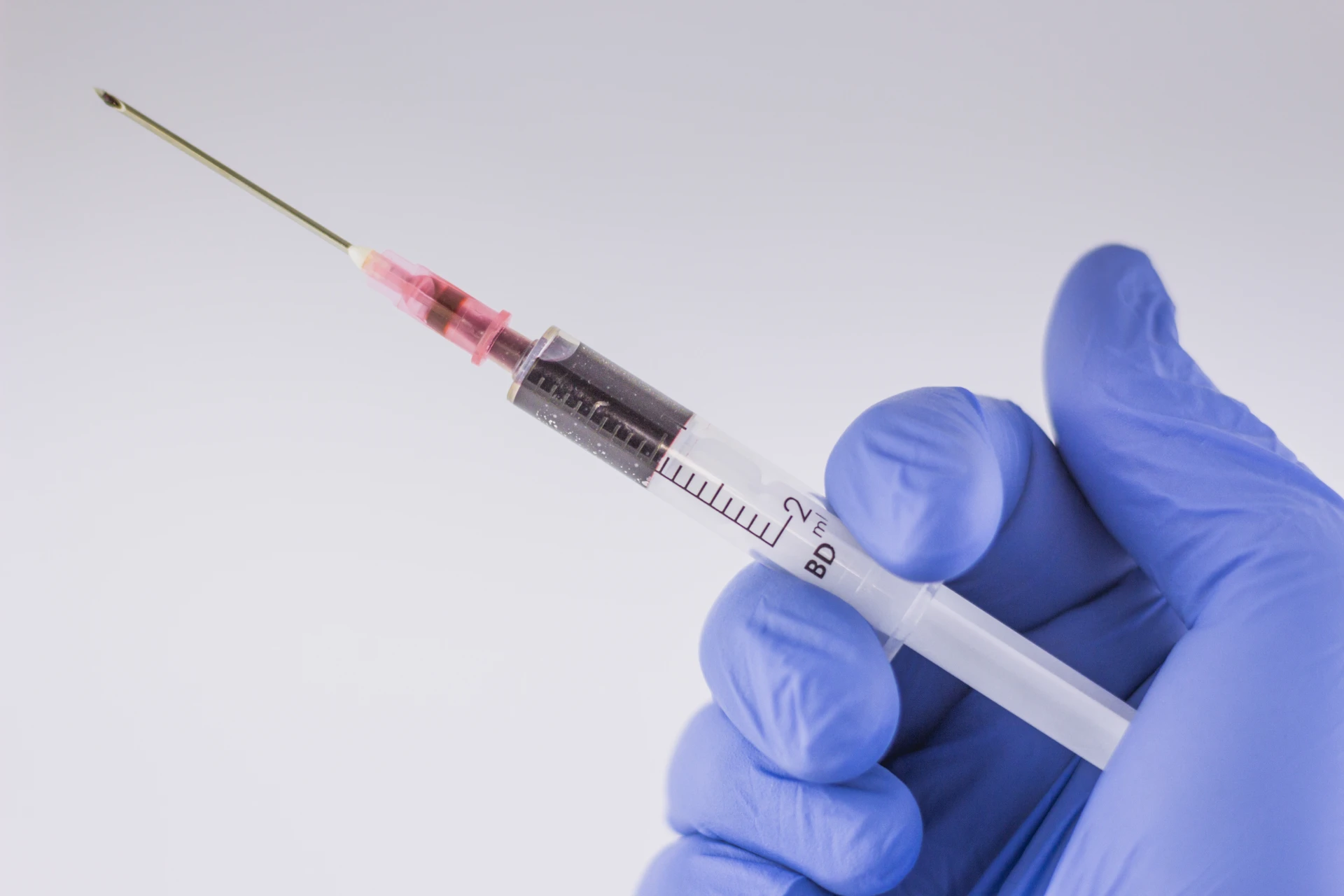
Application, Advantages, Case Analysis and Prospect of Pad Printing in the Medical Industry.
Pad printing, as an indirect gravure transfer printing technology, features curved surface adaptability, micro-level precision and medical-grade safety, making it the preferred process for marking and functional printing of medical devices. It is widely applied in syringes, catheters, implants, in vitro diagnostic equipment and other key medical fields.
1. Technical Principle & Medical Application Overview
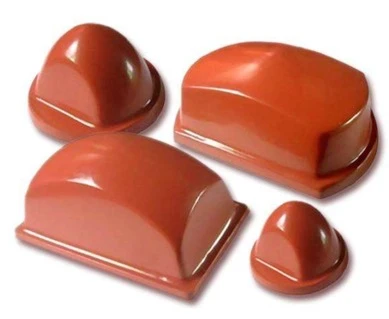
Pad printing adopts the principle of indirect gravure transfer. Patterns are etched onto steel plates with a groove depth of 15–50μm. After filling with medical-grade ink, the pattern is adsorbed by a soft silicone pad and then accurately transferred onto 3D curved surfaces, tiny holes and irregular-shaped parts.
Main Medical Application Scopes
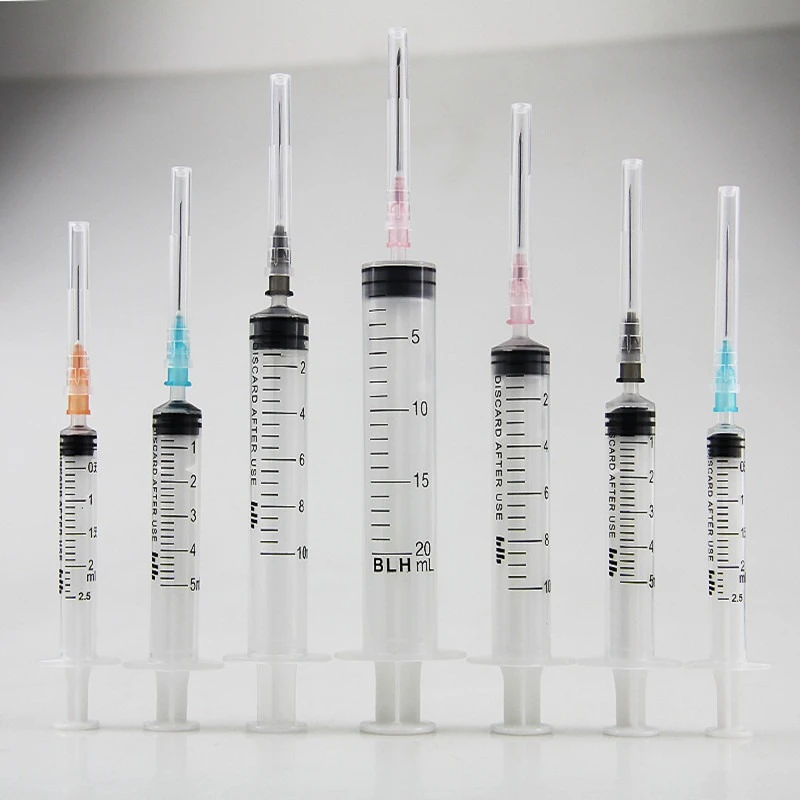
- Injectable Devices: Scale marking of syringes, logo printing of insulin pens, needle cap marking
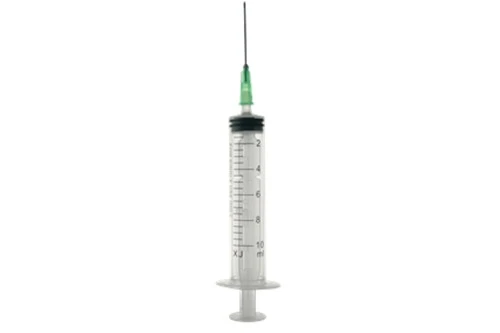
- Interventional & Catheter Products: Scale marking, size coding and traceability code printing of cardiac catheters, dialysis catheters and urinary catheters
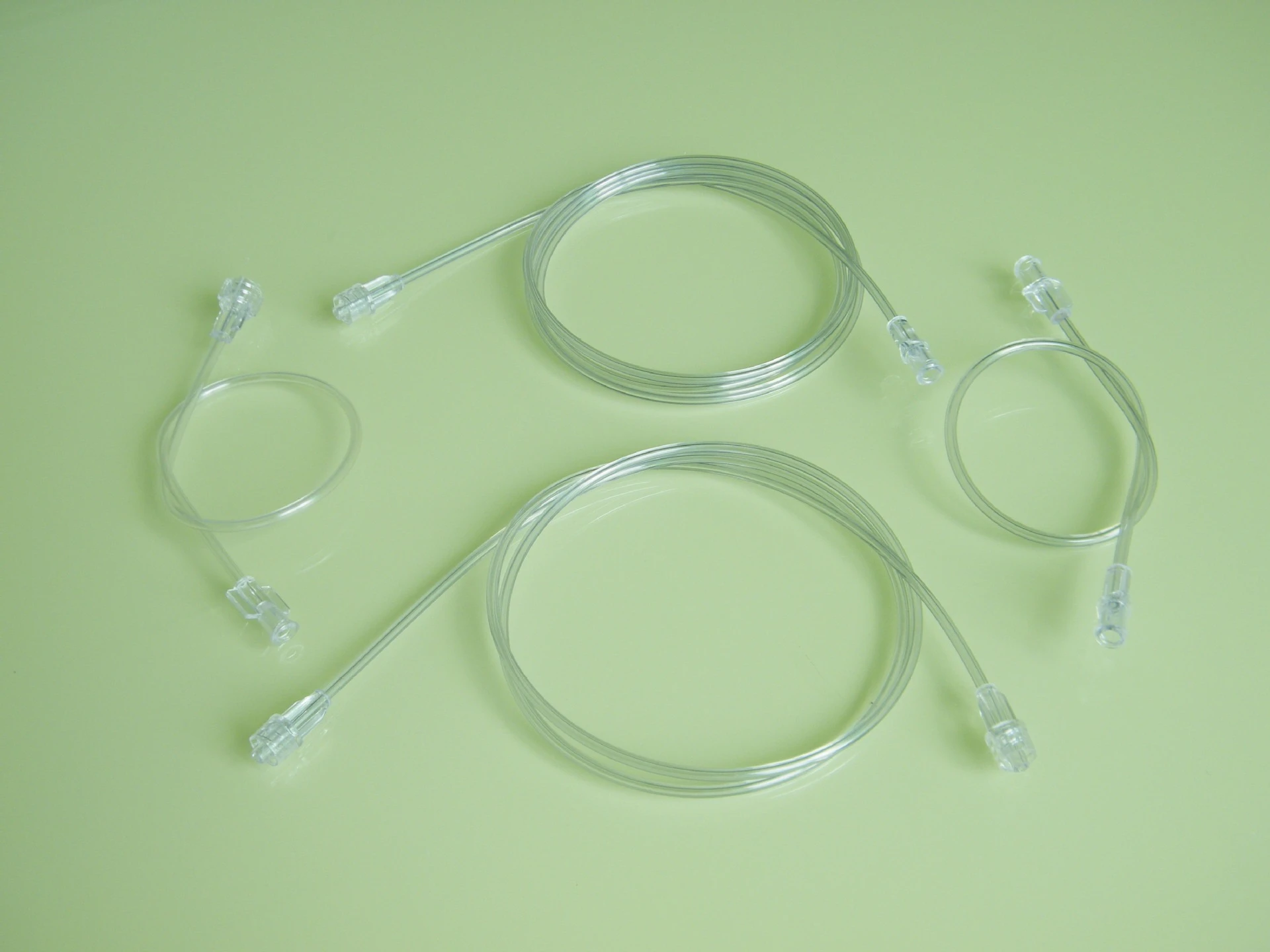
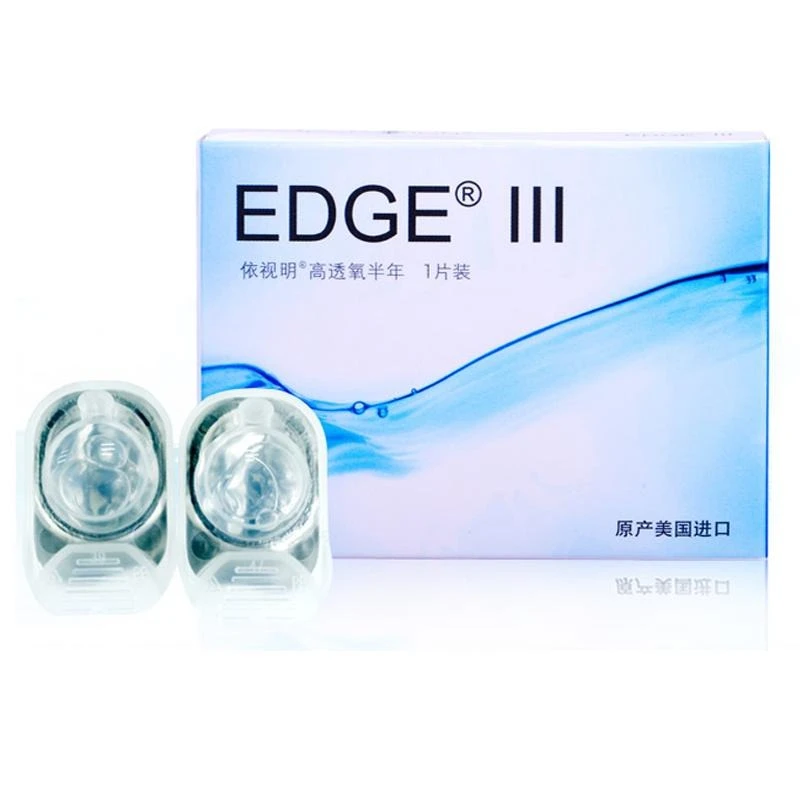
- Implants & Minimally Invasive Devices: Marking on orthopedic titanium implants, dental implants and colored pattern printing of contact lenses

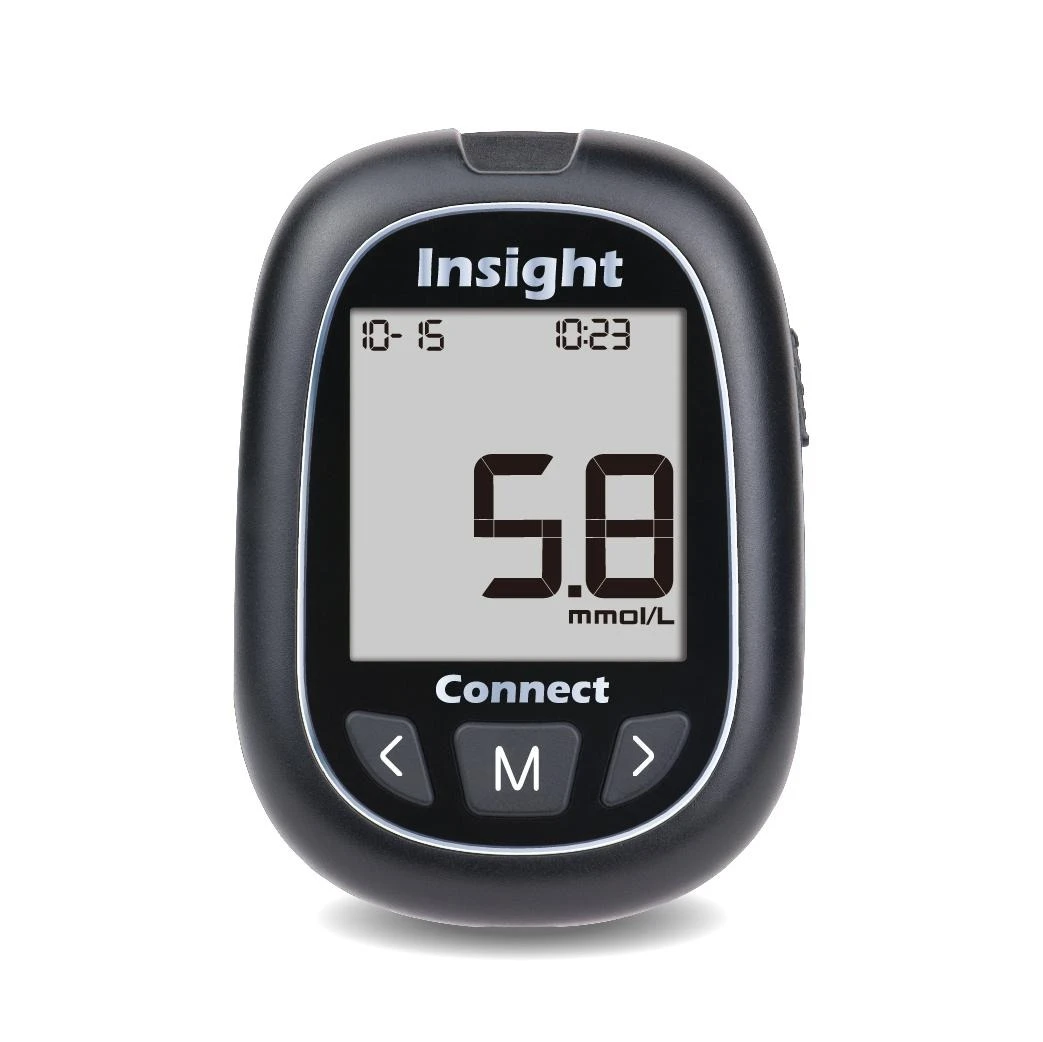
- IVD (In Vitro Diagnosis): Logo and scale printing of blood glucose meters, sampling tubes and reagent bottles
- Others: Marking of surgical instruments, printing on pharmaceutical bottles & blister packaging, pattern printing of physical therapy electrode sheets
2. Core Advantages in Medical Industry
1. Perfect Adaptation to Curved Surfaces, No Printing Blind Spots
The silicone pad supports 180° flexible deformation, suitable for spherical surfaces, conical surfaces, micro-tubes and structures with irregular height differences. It solves the printing difficulty of inner walls, end faces and deep holes that screen printing and inkjet printing cannot achieve.
2. Micron-level High Precision to Ensure Medical Safety
Minimum line width up to 0.1mm, scale tolerance within ±0.02mm, meeting the high-precision dosage marking requirement of syringes and insulin pens.
Medical-grade inks comply with ISO 10993 biocompatibility standard, featuring non-cytotoxicity, no dissolution and resistance to EO sterilization.
3. Wide Material Compatibility
Applicable to mainstream medical materials:
Plastic (PP, PE, TPU, PVC, Nylon), glass & quartz, stainless steel & titanium alloy, silicone rubber.
4. High Efficiency & GMP Clean Production
High production capacity to support mass production; quick plate changing for multi-variety small-batch orders.
Closed ink cup and clean-grade equipment design meet GMP clean workshop standards with low VOC and no dust pollution.
3. Typical Case Analysis
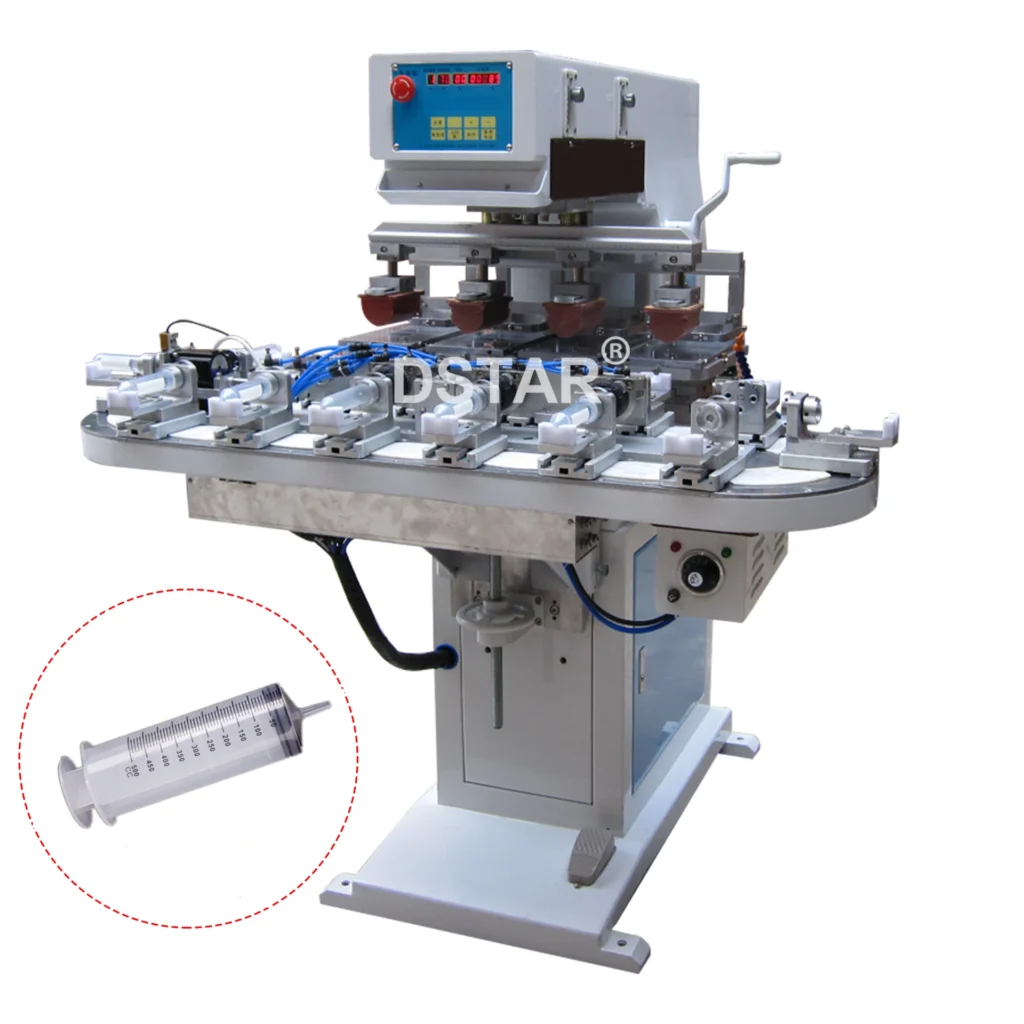
Case 1: Scale Printing for Disposable Syringes
Pain Point: Transparent PP barrel with conical transition, requiring clear permanent scales, alcohol resistance and no peeling after sterilization.
Solution: Servo multi-color pad printing machine + medical-grade UV ink, completing scales, capacity lines, batch number and logo in one pass.
Effect: High printing definition, excellent adhesion, resistant to high-temperature autoclaving and daily alcohol wiping.
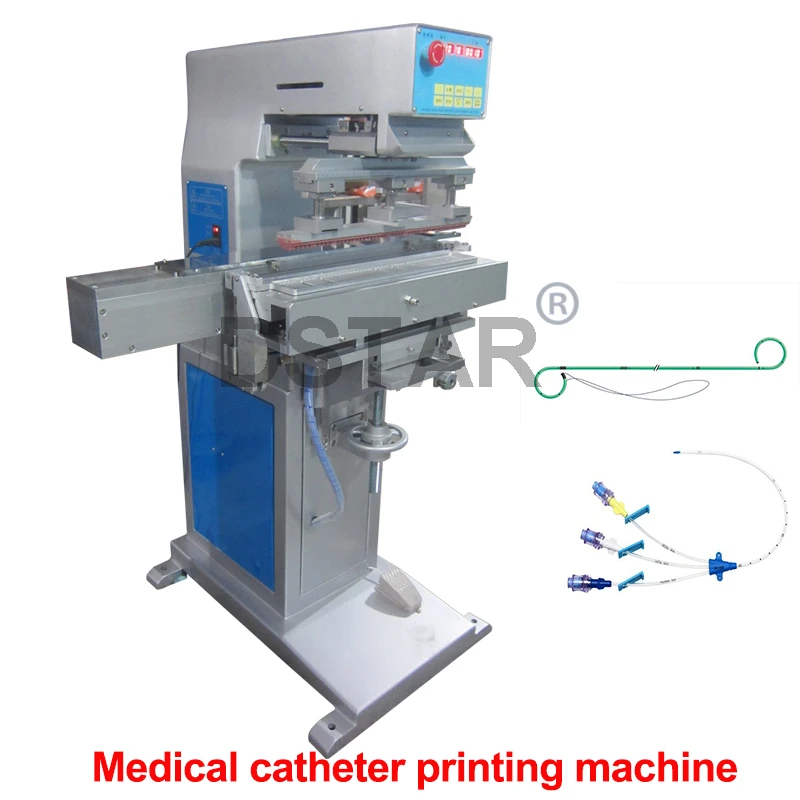
Case 2: Marking for Cardiac Interventional Catheters
Pain Point: Ultra-thin PU/PEEK catheters with outer diameter 1.5–3mm, requiring axial scales and circumferential identification codes.
Solution: Special long-stroke pad printing machine for catheters, realizing half-circle and full-circle printing.
Effect: Printed marks resist blood immersion and repeated bending, supporting intraoperative identification and post-operation traceability.
Case 3: Pattern Printing for Colored Contact Lenses
Pain Point: Ultra-thin hydrogel lens surface, requiring uniform patterns and ocular non-irritation.
Solution: Micro-gap silicone pad + medical cosmetic ink for one-time pattern transfer.
Effect: Sharp edge without ink bleeding, compliant with eye irritation test, no impact on oxygen permeability.
4. Prospect Analysis
- Steady Market GrowthThe global medical pad printing market maintains stable growth, driven by aging population, popularization of minimally invasive treatment and medical device export demand. Domestic localization of medical-grade pad printing equipment and ink is accelerating.
- Technological Upgrading TrendIntelligent visual positioning, automatic pressure compensation, AI color matching and flexible production; water-based low-VOC medical ink becomes the mainstream, complying with EU MDR and domestic medical regulatory standards.Combined process of pad printing + laser marking realizes anti-tampering traceability and high-definition pattern integration.
- Expanding Application ScenariosWearable medical devices, microfluidic biochips, tissue engineering scaffolds and other emerging fields bring new growth opportunities for pad printing technology.
Conclusion
With outstanding advantages in curved surface printing, high precision and medical biosafety, pad printing has become an indispensable core process in the medical device industry. Supported by intelligent upgrading and emerging medical demands, pad printing for medical industry will keep broad development prospects in the long run.