Automatic Printing Machine Manufacturer

Pad Printing Steel Plates: The “Industrial Engraved Plates” Empowering Precision in Manufacturing
In manufacturing sectors such as 3C electronics, plastic toys, medical devices, and daily-use packaging, there is a seemingly ordinary yet indispensable core consumable—pad printing steel plates. As the “soul carrier” of the pad printing process, they bear the mission of accurately replicating patterns and texts. With their high hardness, wear resistance, and precision, they are irreplaceable in scenarios involving irregular curved surfaces and small-area precision printing, serving as the key cornerstone for modern manufacturing to achieve efficient and high-quality printing.
I. Core Definition and Functions of Pad Printing Steel Plates
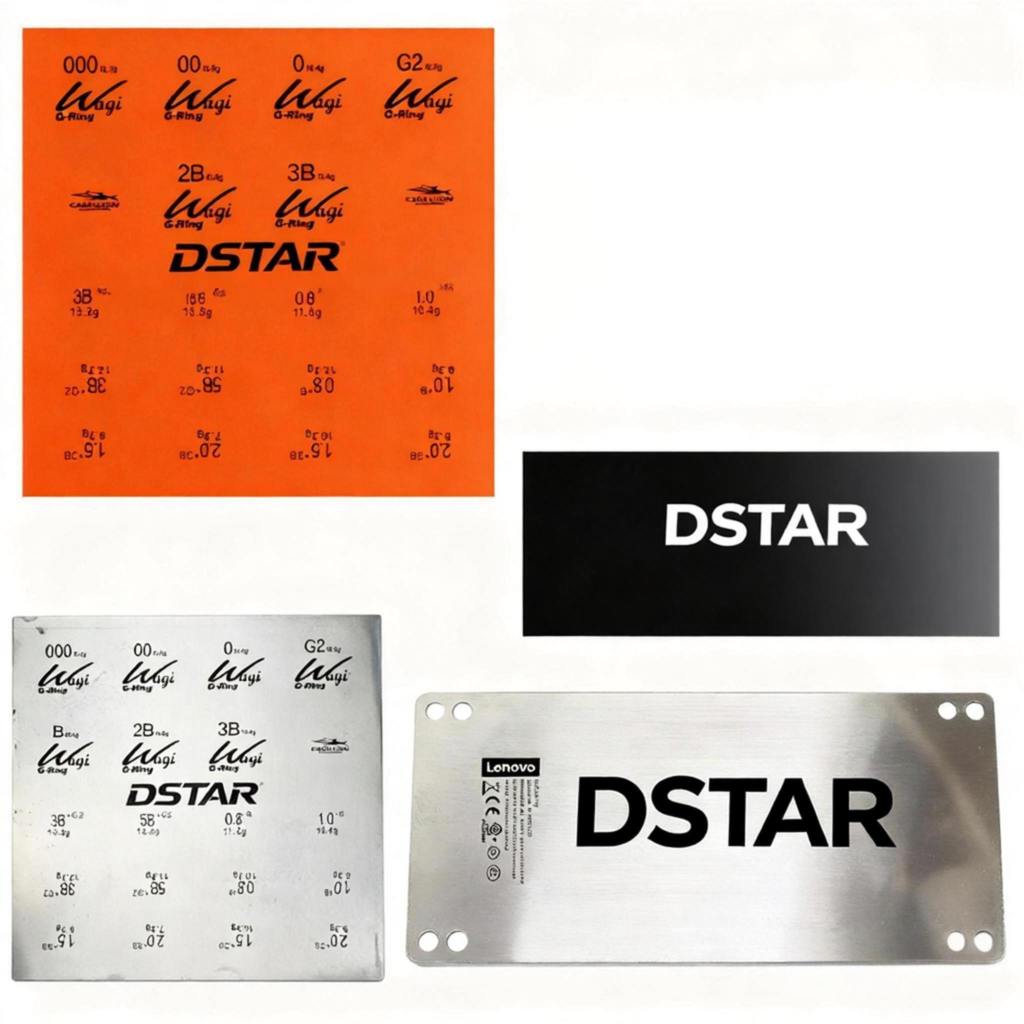
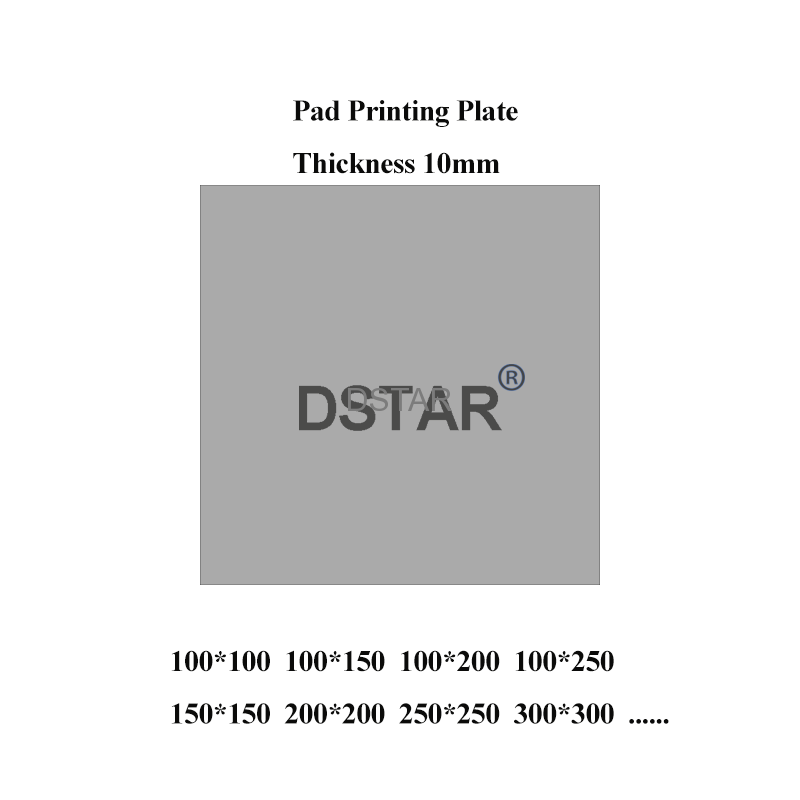
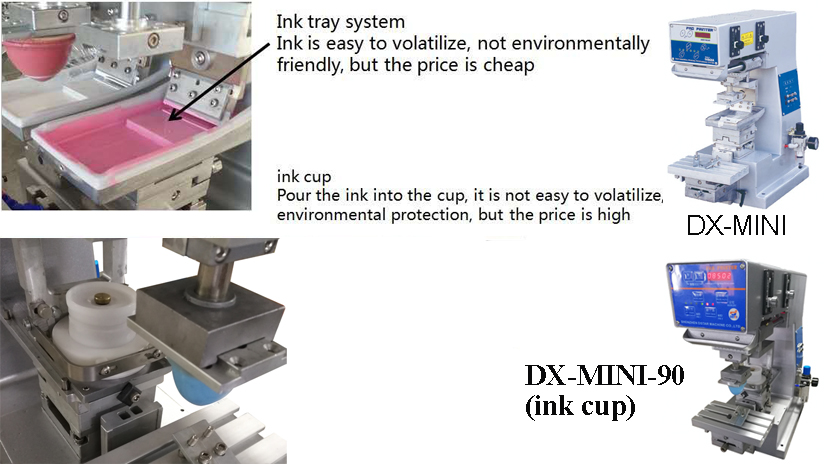
Also known as pad printing steel plates or metal stencil plates, pad printing plates are specialized intaglio consumables installed open ink well-type or closed in ink cup-type pad printing machines. Essentially, they are high-hardness steel plates processed with precision, featuring etched grooves on the surface that contain the required printed patterns, texts, or scales.
Their core functions focus on three critical links, directly determining printing quality:
- Precise Ink Storage: Etched grooves store a fixed amount of ink, and the groove depth determines the ink layer thickness, ensuring uniform color and sharp edges of printed patterns.
- Clean Ink Scraping: Cooperating with doctor blade or ink cups, excess ink on the steel plate surface is scraped off, leaving only ink in the grooves to eliminate issues such as smudges, missing prints, and trailing shadows.
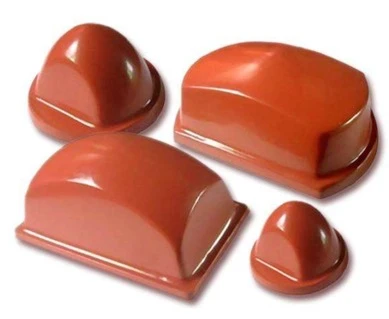
- Stable Transfer: Silicone pads accurately pick up ink from the grooves and transfer it to the surfaces of various materials such as plastics, hardware, glass, and ceramics, adapting to complex workpieces like flat surfaces, curved surfaces, and uneven surfaces.
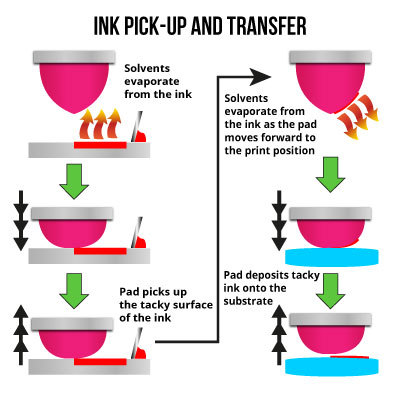
II. Material Selection: High Hardness & Wear Resistance for Diverse Scenarios
The material of pad printing steel plates directly determines their hardness, wear resistance, and service life. The industry’s mainstream materials are divided into three categories, suitable for different precision and batch requirements:
1. Bearing Steel (GCr15) – High-End Mainstream with Optimal Comprehensive Performance
- Composition: 1% carbon, 1.5% chromium, with uniform structure and low impurities;
- Hardness: HRC 60–62 after heat treatment, up to HRC 63±1 for high-end models;
- Advantages: Strong toughness, fatigue resistance, wear resistance, and corrosion resistance; etched patterns have smooth edges and high precision;
- Applications: High-precision scenarios such as 3C electronics (mobile phone buttons, Bluetooth headset logos), precision instruments, and medical devices.
2. Oil Steel (O1/9CrWMn) – Cost-Effective, Ideal for Small-to-Medium Batches
- Hardness: HRC 58–60, with good hardenability and minimal deformation after heat treatment;
- Advantages: Easy to process and polish, moderate cost, meeting regular printing needs;
- Applications: Mid-to-low-end scenarios such as plastic toy logos, daily necessities branding, and ordinary electrical appliance casings.
3. Stainless Steel – Specialized for Ink Cup Scraping, Corrosion Resistance Priority
- Characteristics: High toughness, good elasticity, resistance to curling and deformation, corrosion resistance to ink, and rust prevention;
- Advantages: Compatible with closed ink cups, ensuring sealed ink retention, reducing ink waste, and maintaining a cleaner workshop;
- Applications: Ink scraping steel plates for ink cup-type pad printing machines, suitable for multi-color and fully automatic continuous operations.
III. Manufacturing Process: Precision Processing for Micron-Level Accuracy
From raw materials to finished products, pad printing steel plates undergo multiple precision processes. The core processes are chemical etching and laser etching, with significant differences in precision and efficiency:
1. Basic Processes (General Flow)
- Material Selection and Cutting: Cutting bearing steel/oil steel according to requirements, supporting customization;
- Heat Treatment: Quenching + tempering to improve hardness and wear resistance, reducing deformation;
- Precision Grinding: Double-sided precision grinding, achieving a mirror-like surface finish to ensure uniform ink scraping;
- Rust Prevention Treatment: Vacuum rust prevention or hard chrome plating, increasing rust resistance by 300% and extending service life.
2. Pattern Formation: Chemical Etching vs. Laser Etching
| Process | Principle | Precision | Advantages | Disadvantages |
| Chemical Etching | Applying photoresist → Exposure and development → Ferric chloride etching (45±2℃) → Stripping and cleaning | Depth tolerance ±2μm, minimum line width 0.1mm | Low cost, suitable for large-area patterns | Rough edges, uneven depth, environmental pollution |
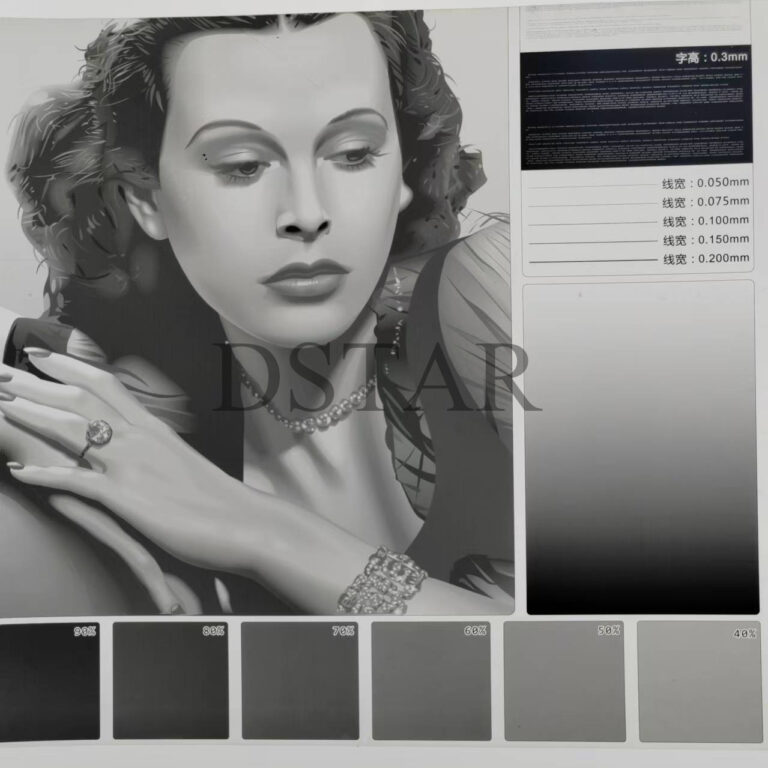
| Laser Etching | High-energy laser direct engraving of grooves | Depth control 0.017mm, minimum line width 0.05mm | High precision, smooth edges, environmentally friendly and efficient, customizable complex patterns | High equipment cost, suitable for high-end small-batch production |
Currently, laser etching has been fully popularized in the high-end market, adapting to high-precision printing needs such as Mini LED substrates and curved glass.
IV. Core Advantages: Four Key Features Meeting Industrial Demands
1. High Hardness & Wear Resistance, Long Service Life
High-quality bearing steel pad printing steel plates reach HRC 60+ after quenching, featuring strong wear resistance and fatigue resistance. They can withstand hundreds of thousands of printing cycles, 2–3 times the service life of ordinary steel plates, significantly reducing replacement frequency and production costs.
2. High-Precision Replication, Clear Details
Laser etching achieves micron-level precision with a minimum line width of 0.05mm. Printed texts are sharp and patterns are delicate without burrs or jagged edges, adapting to fine printing needs such as mobile phone button characters and precision scales.
3. Strong Compatibility, Wide Adaptability
- Material Compatibility: Capable of printing on almost all industrial materials including plastics, hardware, glass, ceramics, and leather;
- Equipment Compatibility: Suitable for single-color/multi-color, turntable-type, fully automatic/semi-automatic ink cup pad printing machines, with complete standard specifications, no debugging required for assembly and disassembly;
- Shape Compatibility: Stable transfer on flat, curved, and uneven workpieces.
4. Economical & Environmentally Friendly, Efficient Production
- Ink Saving: Closed ink cups + high-fitting steel plates ensure sealed ink retention, reducing volatilization and increasing ink utilization rate by 30%+;
- Environmental Protection & Low Consumption: Laser etching causes no chemical pollution, complying with EU RoHS standards and meeting green production requirements;
- High Efficiency & Stability: No deformation or rust during continuous operations, reducing downtime for maintenance and improving production efficiency.
V. Wide Applications: Penetrating All Manufacturing Scenarios
With irreplaceable advantages, pad printing steel plates are widely used in various industries, with core application scenarios including:
- 3C Electronics: Printing on mobile phone casings/buttons, Bluetooth headsets, chargers, and circuit board characters;
- Stationery Industry: pen barrel, ballpen clip, eraser;
- Plastic Toys: Toy logos, cartoon patterns, and text labels;
- Medical Devices: Syringe scales, instrument panel logos, and medical accessory texts;
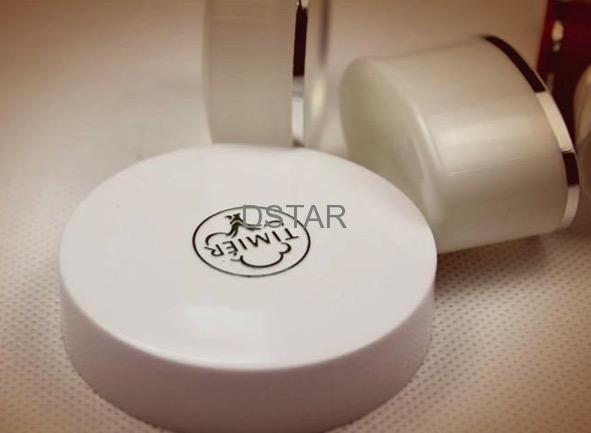
- Daily-Use Packaging: Cosmetic bottle bodies, water cups, stationery, and shoe/hat logos;
- Hardware Accessories: Metal nameplates, zipper pulls, and keychain patterns;
- Glass & Ceramics: Glass cup scales, ceramic tableware patterns, and curved window printing.
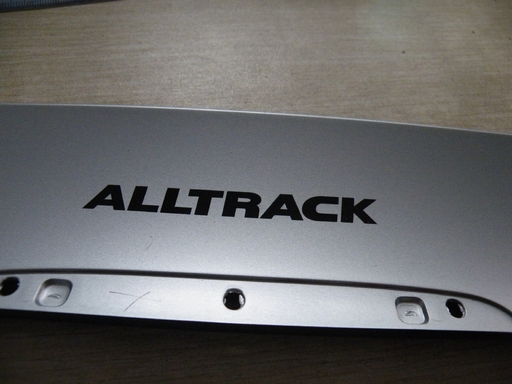
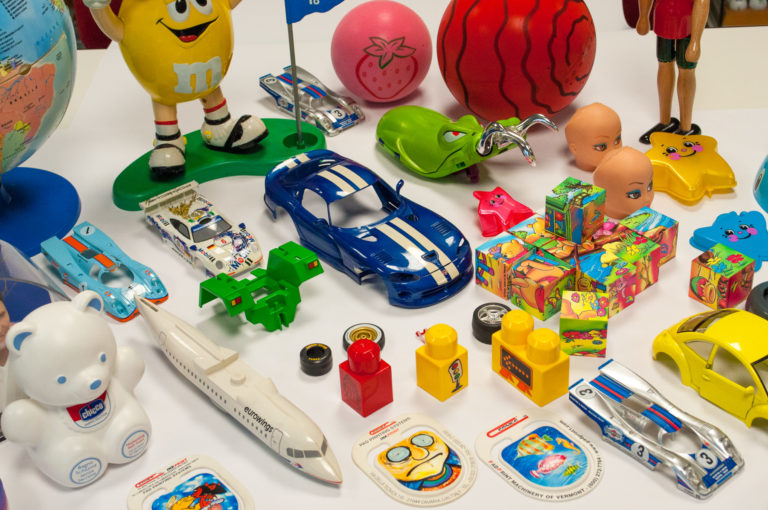
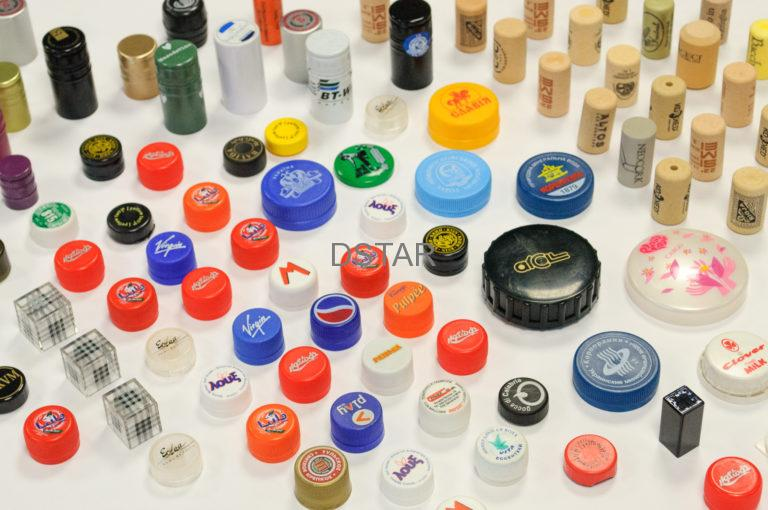
VI. Selection & Maintenance: Extending Service Life and Stabilizing Quality
1. Selection Key Points
- Material: Choose bearing steel (GCr15) for high-end needs, oil steel for mid-range, and stainless steel for ink cup scraping;
- Process: Prioritize laser etching, check flatness and surface finish, ensuring no scratches or deformation;
- Specifications: Match pad printing machine models and workpiece sizes, select groove depth according to ink layer requirements.
2. Maintenance Tips
- Clean Timely After Use: Wipe the steel plate surface with a special cleaning agent to remove residual ink and avoid groove corrosion;
- Rust-Proof Storage: Apply anti-rust oil and store in a sealed, dry environment to prevent rust due to moisture;
- Avoid Collision: Handle with care to prevent edge chipping and surface scratches, which may affect ink scraping precision.
VII. Conclusion
From precision characters on 3C electronics to small logos on daily necessities, pad printing steel plates silently support the fine printing needs of the manufacturing industry with their “small yet precise” characteristics. As core consumables of the pad printing process, their material upgrades and process iterations have continuously driven printing quality toward higher precision and efficiency. In the era of rapid development of intelligent manufacturing and precision manufacturing, pad printing steel plates will continue to empower production, serving as indispensable “industrial engraved plates” in the manufacturing industry and engraving more delicate beauty of product details.