Automatic Printing Machine Manufacturer

Will Digital Printing Replace Screen Printing and Pad Printing?
A Practical Comparison for Industrial Manufacturers
Digital Printing vs Screen Printing vs Pad Printing
Since the emergence of digital printing technology in the 1990s, many people have predicted that traditional printing methods such as screen printing and pad printing would eventually disappear.
More than 30 years later, digital printing has indeed become an important part of the printing industry. However, screen printing and pad printing remain widely used in industrial manufacturing, packaging, medical products, automotive parts, promotional items, electronics, toys, and consumer goods.
The question is no longer whether digital printing will replace traditional printing, but rather:
Which printing technology is best suited for each application?
The History of Screen Printing, Pad Printing and Digital Printing
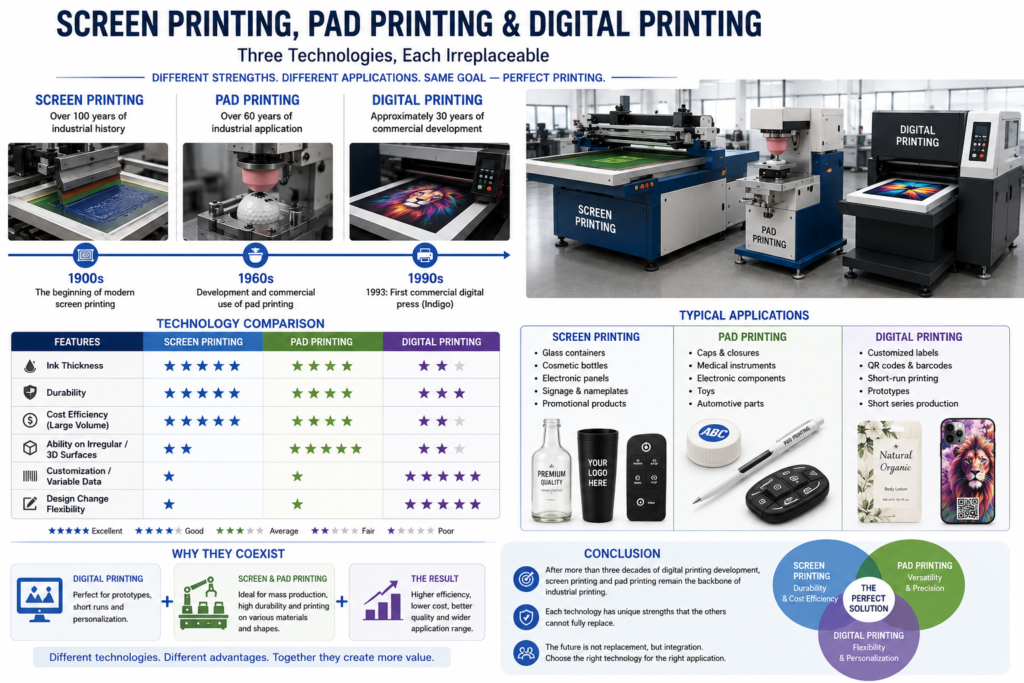
Screen printing is one of the oldest printing technologies in the world. Modern industrial screen printing began to develop in the early 20th century and became widely adopted during the 1950s and 1960s.
Pad printing originated from gravure printing technology and became commercially popular during the 1960s, particularly for printing irregular and three-dimensional objects.
Digital printing is comparatively new. Modern commercial digital printing began in 1993 with the introduction of the Indigo digital press, which enabled direct printing from digital files without traditional printing plates.
Today:
- Screen Printing: More than 100 years of industrial history
- Pad Printing: More than 60 years of industrial application
- Digital Printing: Approximately 30 years of industrial development
The fact that screen printing and pad printing have continued to grow even after three decades of digital printing development demonstrates their lasting value in industrial production.
Market Data Shows Traditional Printing Is Still Growing
Recent market studies indicate that traditional printing technologies remain highly relevant.
The global screen printing market generated approximately USD 20.7 billion in revenue in 2024 and is projected to exceed USD 37 billion by 2030.
In the textile printing industry, screen printing still accounted for approximately 47.3% of the global market share in 2024, making it the largest printing technology segment despite the rapid growth of digital printing.
Meanwhile, digital textile printing reached approximately USD 5.8 billion in 2024 and continues to expand rapidly, especially in short-run and customized production.
These figures indicate that digital printing is growing, but traditional printing remains the dominant technology in many industrial sectors.
Why Screen Printing Remains Irreplaceable
1. Superior Ink Thickness
Screen printing can deposit a much thicker ink layer than digital printing.
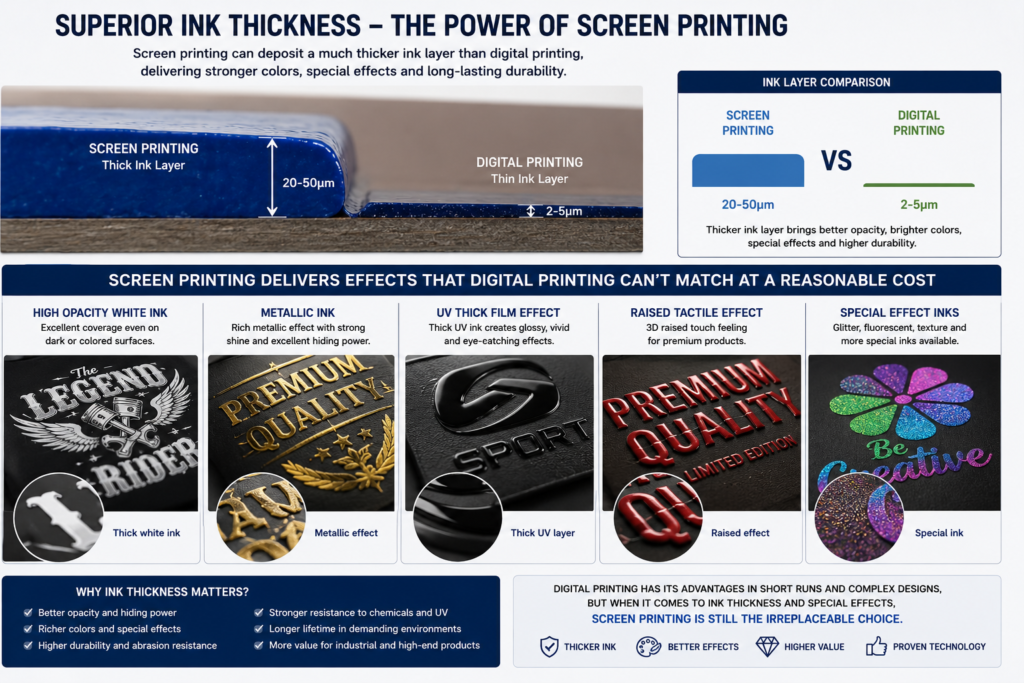
This allows:
- Better opacity
- Stronger color density
- Special effect inks
- Metallic finishes
- UV coatings
- Raised tactile effects
For industrial products requiring durability and visual impact, screen printing often delivers results that digital printers cannot achieve economically.
2. Lower Cost for Mass Production
Once the screen is prepared, screen printing becomes extremely economical for high-volume production.
Industries producing:
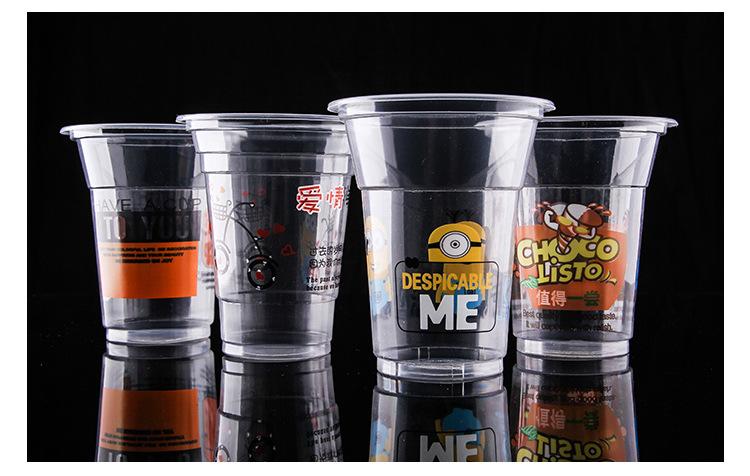
- Plastic packaging
- Glass bottles
- Cosmetic containers
- Promotional products
- Household products
Often choose screen printing because the cost per print decreases significantly at large volumes.
3. Excellent Durability
Screen-printed graphics often demonstrate superior resistance to:
- Abrasion
- Chemicals
- Solvents
- UV exposure
This is especially important for automotive, medical, and industrial products.
Why Pad Printing Remains Essential
While digital printing performs well on flat surfaces, many industrial products are not flat.
Pad printing excels at decorating:
- Curved surfaces
- Cylindrical products
- Concave parts
- Convex parts
- Textured components
Examples include:
- Pen barrels
- Bottle caps
- Medical syringes
- Electronic components
- Automotive switches
- Toys
- Golf balls
The silicone pad can transfer ink onto complex 3D shapes that digital printheads often cannot reach effectively.
For this reason, pad printing remains one of the most widely used technologies in industrial product decoration.
Where Digital Printing Excels
Digital printing also offers significant advantages.
Fast Design Changes
No printing plates are required.
Design modifications can be implemented immediately.
Variable Data Printing
Digital technology allows:
- QR codes
- Serial numbers
- Personalized graphics
- Unique identifiers
on every product.
Small Production Runs
For prototypes and short runs, digital printing eliminates plate-making costs.
This makes it highly attractive for customized products and e-commerce applications.
The Future Is Integration, Not Replacement
Many successful manufacturers today use both technologies.
A common production strategy is:
- Digital printing for prototypes and small batches
- Screen printing for large-volume production
- Pad printing for irregular-shaped products
Rather than replacing traditional printing, digital technology has expanded the range of available production solutions.
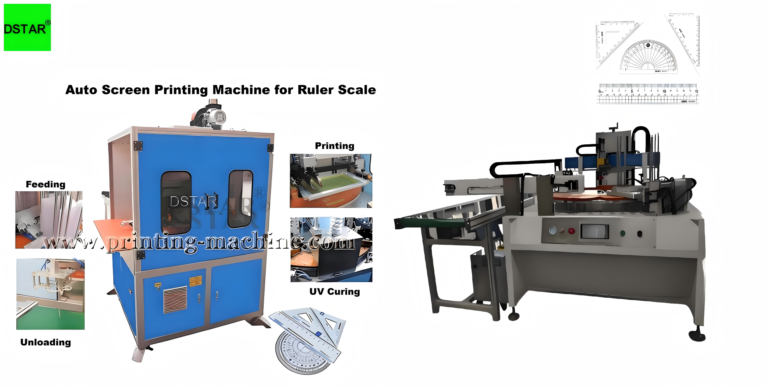
In fact, many modern screen printing and pad printing factories now integrate digital workflows, CCD positioning systems, servo controls, laser engraving, and automated production lines.
The technologies are becoming complementary rather than competitive.
Conclusion
After more than three decades of digital printing development, screen printing and pad printing continue to grow globally.
The reason is simple:
Each technology solves different manufacturing challenges.
Digital printing offers flexibility and customization.
Screen printing provides durability, high ink deposition, and cost efficiency for mass production.
Pad printing remains unmatched for printing complex three-dimensional products.
For industrial manufacturers seeking reliability, productivity, and consistent quality, screen printing and pad printing remain indispensable technologies and will continue to play a vital role in global manufacturing for decades to come.