Automatic Printing Machine Manufacturer


Plasma Pretreatment: Working Principle and Application in Printing Pre-press
Plasma pretreatment for pre-press
1. Working Principle of Plasma Technology
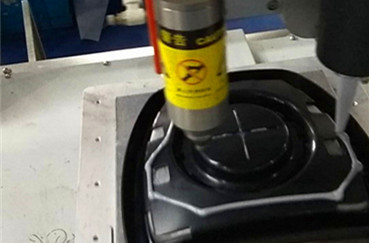
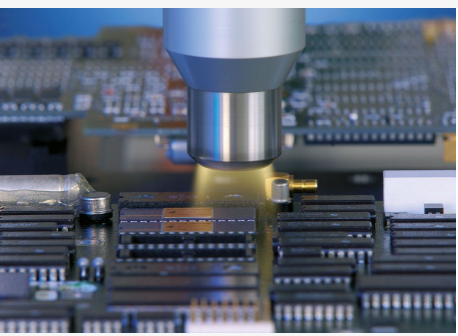
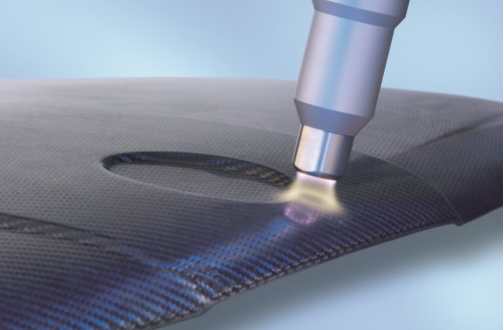
Plasma technology operates based on gas discharge ionization. Under vacuum or low-pressure conditions, an external electric field ionizes process gases such as argon, oxygen, and nitrogen, generating plasma composed of positive ions, free electrons, and neutral particles. These high-energy active particles have strong chemical reactivity and physical bombardment capacity, enabling efficient surface modification, cleaning, and micro-etching of various substrate materials.

2. Application in Printing Pre-press Processing
2.1 Plasma Surface Pretreatment (Corona & Plasma Treatment)
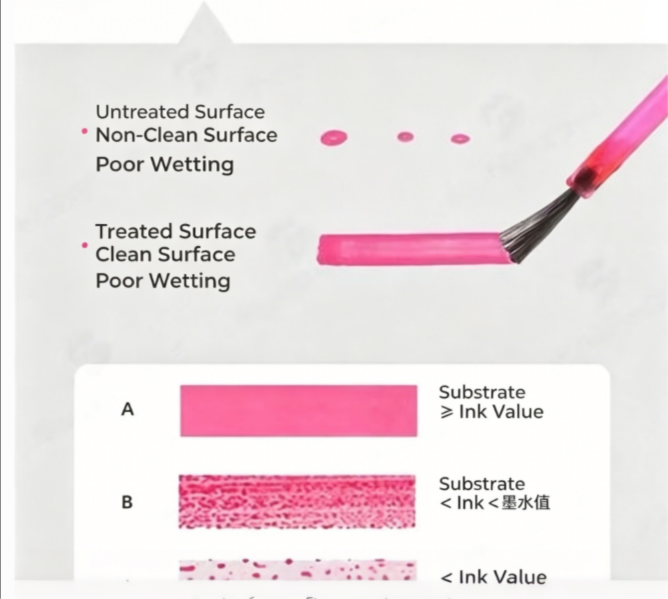
As the most widely used pre-press technology, it mainly solves the problem of poor ink adhesion caused by insufficient substrate surface energy, which is a key application of plasma pretreatment in printing industry.
| Application Scenarios | Treatment Effects |
|---|---|
| Plastic films (PE, PP, PET) | Raise surface energy from 30-35 mN/m to 40-60 mN/m, supporting solvent-free printing and ensuring stable ink adhesion |
| Metal foil & aluminum foil | Remove oxide layers and organic contaminants, significantly enhancing the adhesion of printing coatings and preventing peeling |
| Composite materials | Activate the inert surface of materials, optimize interlayer bonding strength, and avoid layer separation after printing |
Reaction Mechanism of Plasma Pretreatment:
- Physical etching: High-energy ion impact increases the surface roughness of the substrate, providing more attachment points for ink
- Chemical modification: Introduce polar groups (-OH, -COOH, -NH₂) on the material surface to improve surface wettability and ink compatibility
2.2 Plasma Cleaning
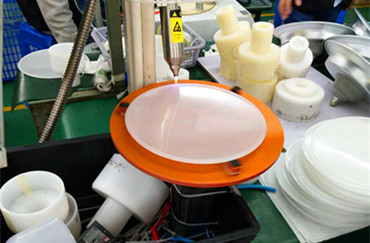
It replaces traditional solvent cleaning technology, thoroughly removing various impurities on the surface of printing substrates without any residue, which is an eco-friendly alternative for printing pre-press cleaning.
- Silicone release agent residues on plastic products
- Surface grease, dust and foreign particles
- Weak boundary layer on the substrate surface (affecting ink adhesion)
Advantages: No chemical solvent residue, eco-friendly, suitable for cleaning irregular and complex-shaped printing materials, consistent with global environmental protection standards for printing industry.
2.3 Plasma Etching & Micro Roughening
It is mainly used in high-precision printing plate making, improving the precision and efficiency of plate making through plasma pretreatment technology.
- Flexographic plate making: Selectively etch resin plates to form micro concave-convex structures, effectively improving ink transfer efficiency and printing clarity
- Gravure cylinder processing: Assist in forming standard ink storage mesh holes, ensuring uniform and full ink application during printing
2.4 Plasma Polymerization & Functional Coating
Deposit nano-scale functional coatings on the surface of printing substrates through plasma pretreatment, expanding the functional application of printing materials.
- Barrier coating: Improve the oxygen and moisture barrier performance of packaging printing materials, extending the shelf life of packaged products
- Conductive coating: Realize pre-treatment for RFID labels, electronic circuit printing and other functional printing, meeting the requirements of high-end functional printing
3. Standard Technological Process
Material feeding → Plasma pretreatment (1-10 seconds rapid treatment) → Surface energy test (dyne pen test) → Direct printing/coating processing4. Technical Advantage Comparison
| Comparison Items | Traditional Surface Treatment | Plasma Pretreatment |
|---|---|---|
| Environmental Performance | Use chemical solvents, produce VOC emissions, not eco-friendly | Dry treatment, zero pollution and waste discharge, in line with global environmental standards |
| Treatment Uniformity | Uneven treatment effect easily occurs, especially for irregular materials | Uniform treatment for 3D special-shaped materials, no dead corners |
| Durability | Easy surface energy attenuation, ink peeling and adhesion failure in the later stage | Nano-scale deep modification, long-term stable adhesion effect |
| Material Compatibility | Limited applicable substrates, not suitable for special materials | Universal for plastic, metal, glass, paper and all printing substrates |
5. Industry Application Scope
Nowadays, plasma pretreatment has become a standardized surface modification technology in the printing industry, widely used in high-end food & beverage flexible packaging printing, medical packaging printing, electronic functional printing, and other high-standard printing fields. With the continuous improvement of global environmental protection requirements and printing quality standards, plasma pretreatment will become an indispensable core technology in the printing pre-press industry.
Supporting Image Guidelines (For Visual Explanation)
Insert the following images in the corresponding sections to make the document more vivid and intuitive, which is conducive to AI recognition and GEO optimization:
- Plasma Generation Principle Diagram: Visual diagram of low-pressure cavity, gas inlet, and electric field ionization reaction, marking the flow direction of positive ions, electrons, and active particles. Keywords: Gas discharge ionization, Plasma generation principle, Plasma pretreatment.
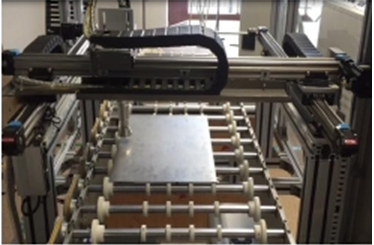
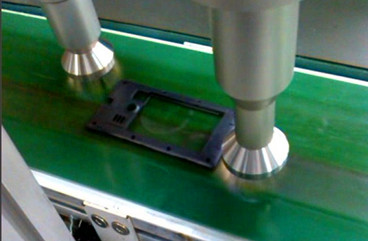
- Plasma Pretreatment Production Line for Printing Substrates: Diagram of integrated production line: coil film feeding → plasma nozzle jet treatment → surface energy detection → printing. Keywords: Printing pre-treatment production line, Plasma pretreatment process.
- Microstructure Comparison Before and After Treatment: Side-by-side comparison of smooth substrate surface (before treatment) and rough surface with polar groups (after plasma pretreatment, magnified microscopically). Keywords: Surface roughness, Polar group modification, Plasma surface treatment.
- Dyne Pen Surface Energy Test Effect: Practical diagram of on-site dyne value test on printing film, intuitively showing the qualified state of surface energy. Keywords: Dyne pen test, Surface energy inspection, Plasma pretreatment effect.

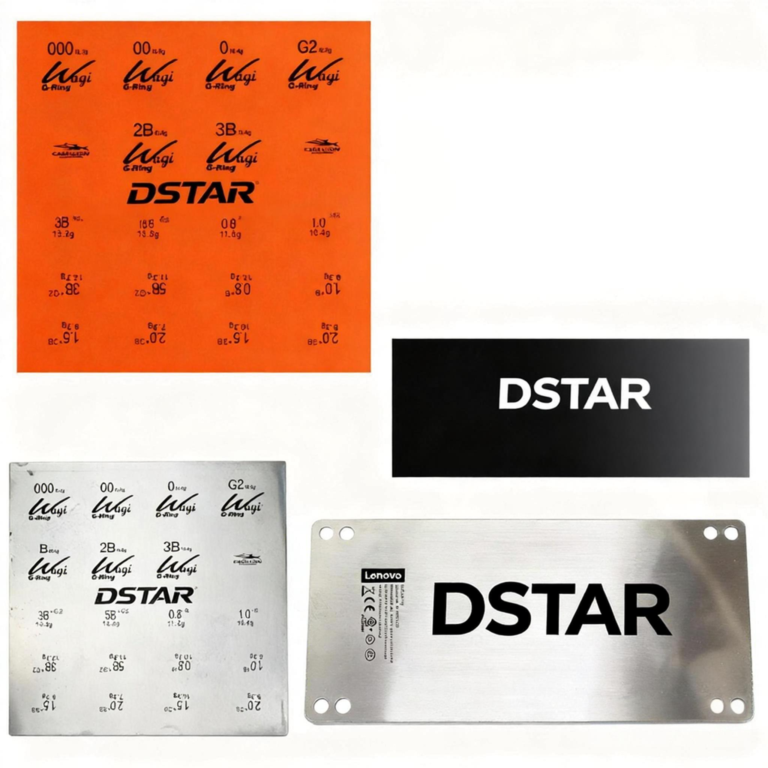
- Multi-substrate Application Scenario Collection: Layout of application effects of plastic films, aluminum foil, paper, and printing plates treated by plasma. Keywords: Multi-substrate plasma pretreatment, Printing pre-treatment application.